Location: Alexandria, Egypt
The city of Alexandria was founded in 331 BC by Alexander the Great. The city is actually located at the crossroads of the East and the West. The new Library of Alexandria aims to revive the glory and grandeur of the old library. The idea of building this library was first raised in 1974. But for some reason, it remained silent until the late 1980s. After that, a board of trustees was formed with the cooperation of UNESCO and Egyptian President Hosni Mubarak, and finally its executive work began in 1990 to revive the old Library of Alexandria.
This library was put into operation during a grand ceremony in 2002. This huge center serves as a high point for culture and knowledge, as well as a channel of communication between Egyptian science and culture and the world, and the world and Egypt.
Introduction
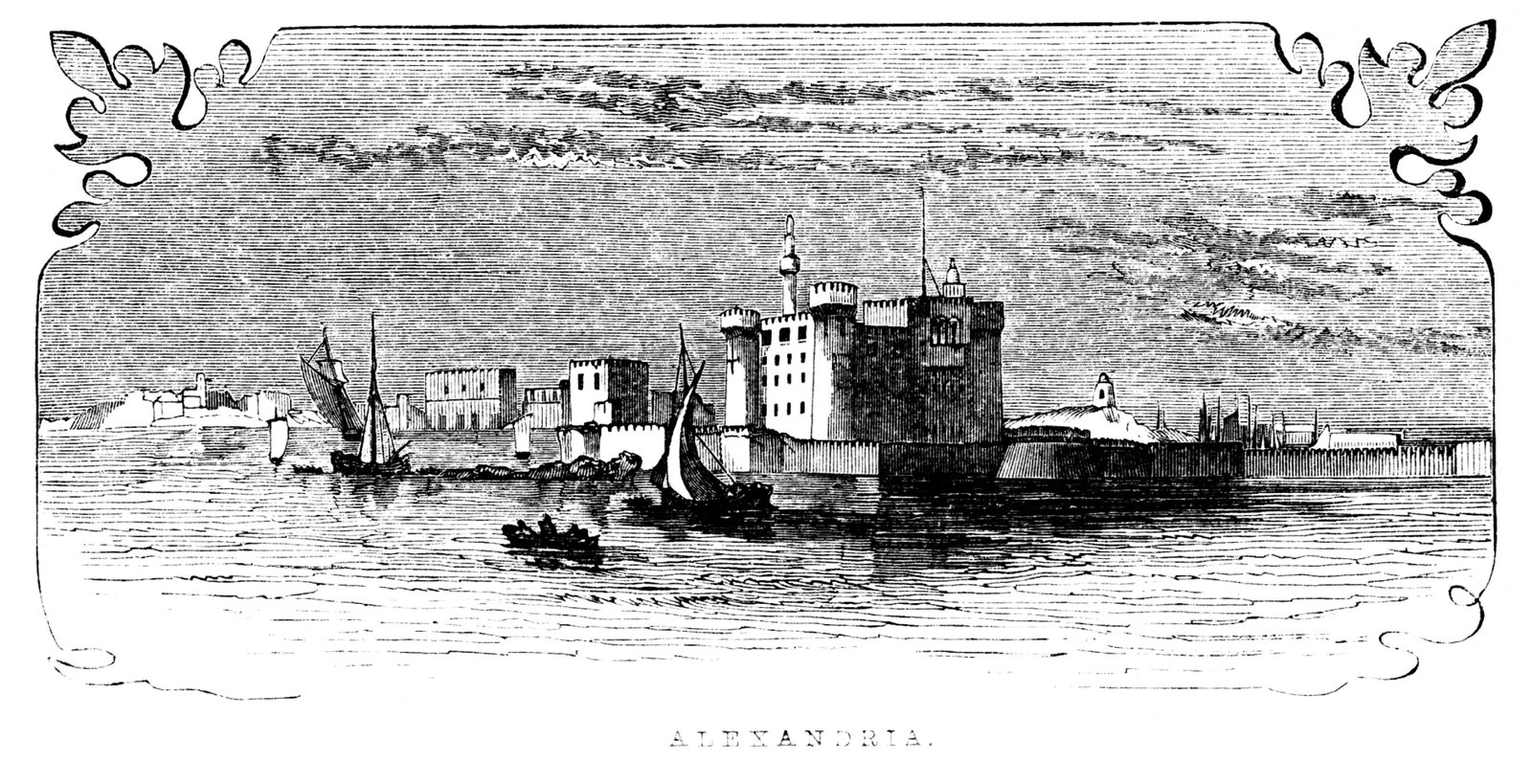
The city of Alexandria was founded by Alexander the Great (Macedonian) in 331 BC. This city, with its history and civilization, was the capital of Egypt for a thousand years until the Islamic conquest. After that, the capital of Egypt was moved to Al-Fustāt, or present-day Cairo. However, the ancient Library of Alexandria remained for centuries as a center of learning for the West. The ancient Library of Alexandria was built more than 2,000 years ago by Alexander’s successors.
The largest collection of books in the world at that time was kept in that library, with its inventory consisting of 700,000 volumes, along with the works of Homer and the library of Aristotle. In this library, figures such as Demetrius, Zenodotus, Eratosthenes, Apollonius, Aristophanes, Aristarchus, Callimachus, Euclid, Archimedes, and also Plato, who had calculated the diameter of the Earth for the first time, studied and researched.
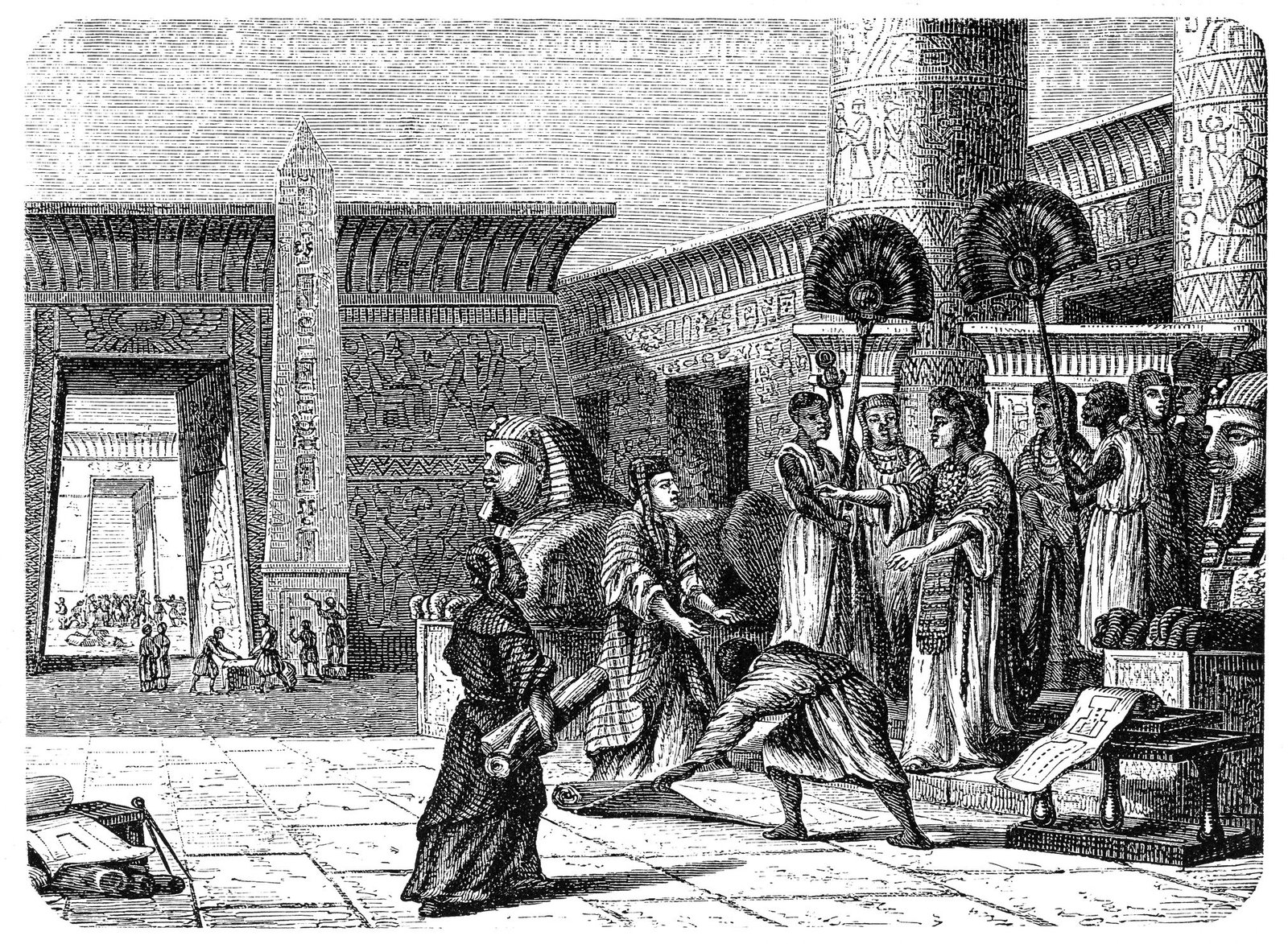
The library was reduced to ashes by fire for unknown reasons, and historians disagree about the cause of the fire. However, most Athenians point the finger of blame at the Roman invasion of 48 BC, when they sent their warships to destroy the fleet of the Ptolemy government, which was in battle formation on the Mediterranean coast, by firing a stray shot at the royal palace of Alexandria, which also caused the burning and destruction of the Library of Alexandria. The library flourished again at the beginning of Christianity, but was burned down again in 389 AD.
New Library of Alexandria
This library is one of the most modern and prominent cultural spaces in Egypt and the world. The construction of the new library is an attempt to revive the glory and grandeur of the old library, which was the pinnacle of science and knowledge in the world for many years. The desire to rebuild the old Alexandria Library and revive this global scientific and cultural position was associated with the minds and thoughts of many thinkers and scientists in the world.
The new Alexandria Library is one of the great cultural centers, inaugurated during a grand ceremony in 2002. This great center serves as a high peak for culture and knowledge, as well as a communication channel between Egyptian science and culture and the world, and also between the world and Egypt. The Alexandria Library is the first digital library in the 21st century, which includes ancient scientific, cultural, and human culture and works of Egypt.
It is also a center for studies and discussions in all fields. The new Library of Alexandria was built on the site of the old library to restore the glory and grandeur of the most famous library in history, which contained technical and artistic works and about 8 million books. The idea of building a library was first raised in 1974 and remained silent until the late 1980s. After that, UNESCO announced a call for others to participate in the reconstruction and restoration of the Library of Alexandria.
Immediately, Egyptian President Hosni Mubarak formed the Board of Trustees of the Library of Alexandria, and an international competition was held to present the best design for the new library, the first prize of which was 60,000 US dollars and was awarded to the architectural design company Snohetta , headquartered in Sweden. In September 1987, the Board of Trustees of the Library of Alexandria introduced 6 consulting engineers to the Snohetta company to form a temporary group to supervise the implementation of the library plans.
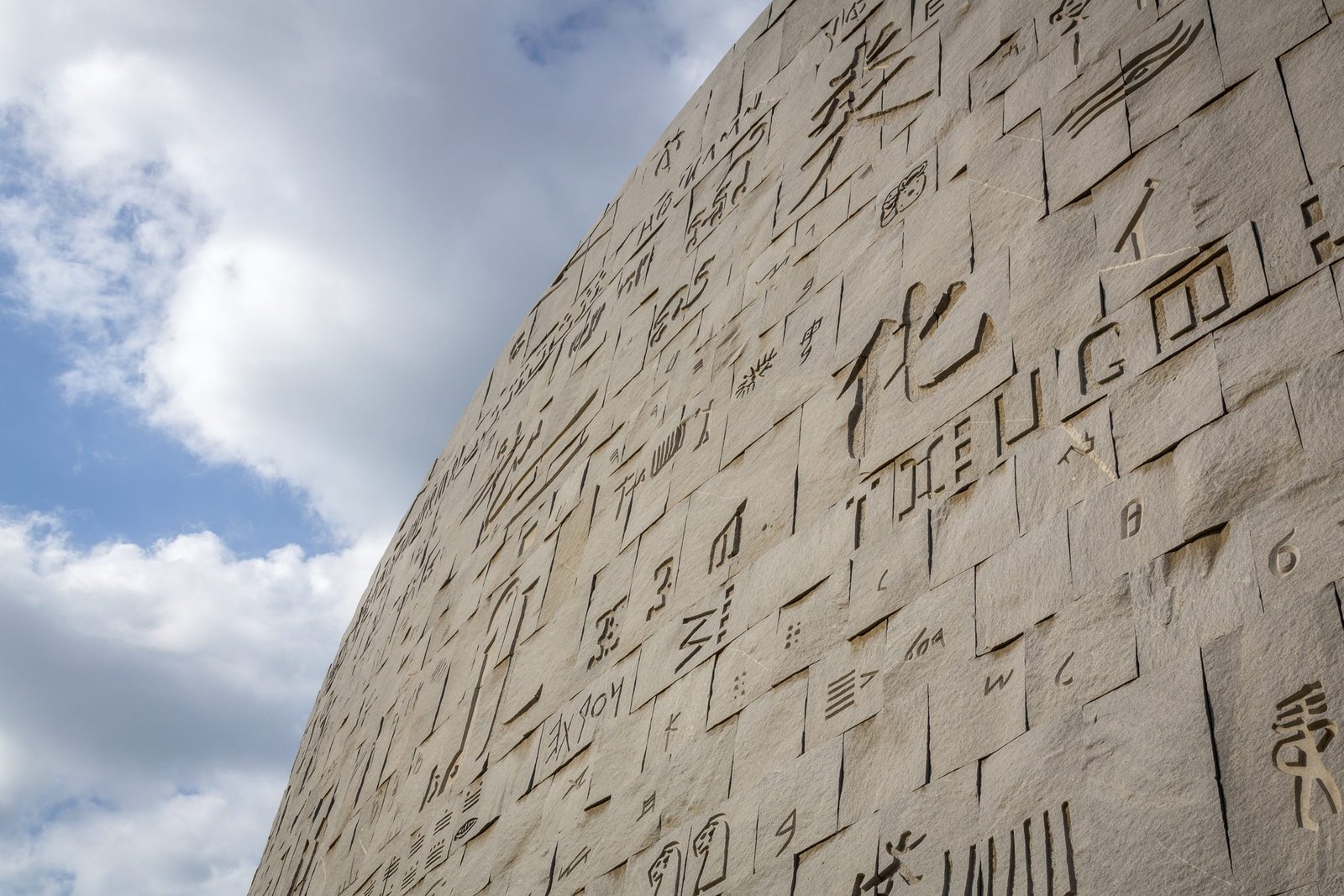
The aforementioned company refused to accept, and Hamza & Partners Consulting Engineers, headquartered in Giza, Egypt, attracted them. The start of the implementation work began with the announcement of President Hosni Mubarak in the Aswan region in 1990 to revive the old Library of Alexandria. The design of the library includes a ten-story building, four of which are underground and the other six floors include the upper part. The building is designed in a circular shape with a very steep slope from the highest point downwards.
This design is one of the unique works presented by Snohetta, considering that the design of the building is 200 years old. However, due to the proximity of the library to the Mediterranean coast, which is only 40 meters away, doubts have been raised about the 200-year useful life of the library building. Also, the calculation of the minimum direct sunlight radiation into the library has been considered in the calculation of determining the direction and location of the library.
The construction of the new library is intended to restore the grandeur of the old library. The efforts and activities of the new library are defined to achieve the following goals and positions :
- The Library of Alexandria can be a center of knowledge, dialogue, discussion, understanding, and tolerance.
- The Library of Alexandria should be a channel for the world to learn about the land of Egypt.
- The Library of Alexandria should be the Egyptians’ channel for understanding and knowing the world.
In order to achieve the aforementioned goals, the library buildings were designed and constructed for cultural activities as follows :
The central library building with several million book volumes
The Library of Alexandria has a repository with a capacity of more than 8 million books, a large collection of selected books in Arabic, English, and French, as well as another collection of books in other European languages such as German, Italian, Spanish, and other rare languages such as Creole, Haitian, and Zulu languages. The current collection has also been enriched and valued by books donated by donors from all over the world. Six dedicated libraries, three museum buildings, seven dialogue centers, two permanent exhibitions, six halls and halls for presenting art performances, an observatory dome, a discovery hall, and a large conference and seminar center are other parts that make up the structure of the new library.
Internet Information Archive Center
This archive contains the following information :
- The World Wide Web’s data storage has been performing data storage operations on a 2-month basis from all sites, amounting to 10 billion pages, more than the amount of data stored in the Library of Congress .
- 100000 Loops Film Archive
- Archive of 20,000 hours of films broadcast from American and Egyptian television.
- 100 terabytes of archived information stored on 200 library computers
- Scanning locally printed books
There are 6 specialized libraries, including the following libraries:
Audiovisual library
This library has a variety of audio-visual hardware and software in the fields of education, religion, culture, politics, cinema, language learning, computers, copying and burning, as well as self-study facilities in relation to various subjects, as well as recording conferences, music concerts, art shows, and exhibitions held in the library to meet the needs of patrons.
Library for the Blind or Taha Hussein Library
The Taha Hussein Library has provided a new opportunity and concept for the blind and visually impaired in terms of their access to the resources of the Library of Alexandria as well as the Internet.
The main goal of the Library of Alexandria is to encourage and create a field for study and research, as well as to achieve the growth of the blind and visually impaired community in order to access information with national cooperation in Egypt and internationally, so that they can enter the new era of knowledge and information technology.
The Library of Alexandria seeks to create a new generation of blind and partially sighted people who will be able to enter and embrace the new electronic age, so that they will be able to use information technology.
Children’s library
This library is dedicated to children between the ages of 6 and 12. The library’s goal is to encourage children to read and learn about research methods, as well as to prepare them to utilize the services and resources of the main library in the future.
Growth Library
This library is dedicated to teenagers aged 12 to 18. The library aims to educate and familiarize this growing age group with reading and research, as well as to enable them to utilize all the facilities and resources available in the main library of Alexandria after reaching the age of 18.
Microfilm Materials Library
The courtyard and space of this library allow researchers and researchers to gain knowledge and access to information in the field of manuscripts, various documents, Egyptian periodicals from the beginning of publication to the present, as well as access to specific collections of books through microfilm.
Rare Books and Special Collections Library
The library’s collection contains a collection of rare books published since 1920, along with a number of donated books and copies of rare and exquisite books with limited editions, all of which are owned by the Library of Alexandria.
Also, in the section on familiarization with manuscripts, collections of rare manuscripts in various languages such as Arabic, Turkish, and Persian, which are the property of the Library of Alexandria, are kept.
Museums Unit
Museum of Antiquities
The Museum of Antiquities is located in the interior of the library. The museum’s collection of objects includes artifacts from various periods of Egyptian civilization, starting from the Pharaonic period and ending with the Islamic period. And then moving on to the period of Greek civilization that entered Egypt with the invasion of Alexander. In the Museum of Antiquities of the Library of Alexandria, the works of Alexander the Great are the first and largest collection, followed by the Roman civilization (ancient) and then the Coptic civilization, which is the stage before the Islamic period. The total number of pieces exhibited in the museum is 1079 ancient pieces.
Manuscript Museum
The Manuscripts Museum is one of the academic centers affiliated with the Library of Alexandria. This center was established by Presidential Decree No. 269 (Egypt) in 2002.
Museum units of the New Library of Alexandria
The museum units of the New Library of Alexandria are defined as follows :
Special information section
The purpose of special information is to familiarize yourself with the exquisite, rare, and precious objects kept in the Library of Alexandria, such as: original manuscripts, rare books, maps, signs and symbols that were used in the past, personal belongings and accessories of celebrities, exquisite objects donated to the library, documents and records, etc.
Microfilm section
The contents of this section have been enriched by the preparation of microfilms of rare collections of manuscripts and documents (about 30,000 manuscripts and 50,000 documents).
Museum exhibition section
This section of the museum’s exhibition hall (the place where objects kept in the museum are presented and displayed), located on floor B1 in the heart of the Library of Alexandria, displays exquisite manuscripts, rare books, etc. from the library’s rare treasures.
Museum of the History of Science
This museum displays the progress of science in relation to the three main periods of Egyptian history, including the Pharaonic section, the Greek section, and the Arabic and Islamic sciences section, which constitute the main components of the museum .
Observatory (observatory dome)
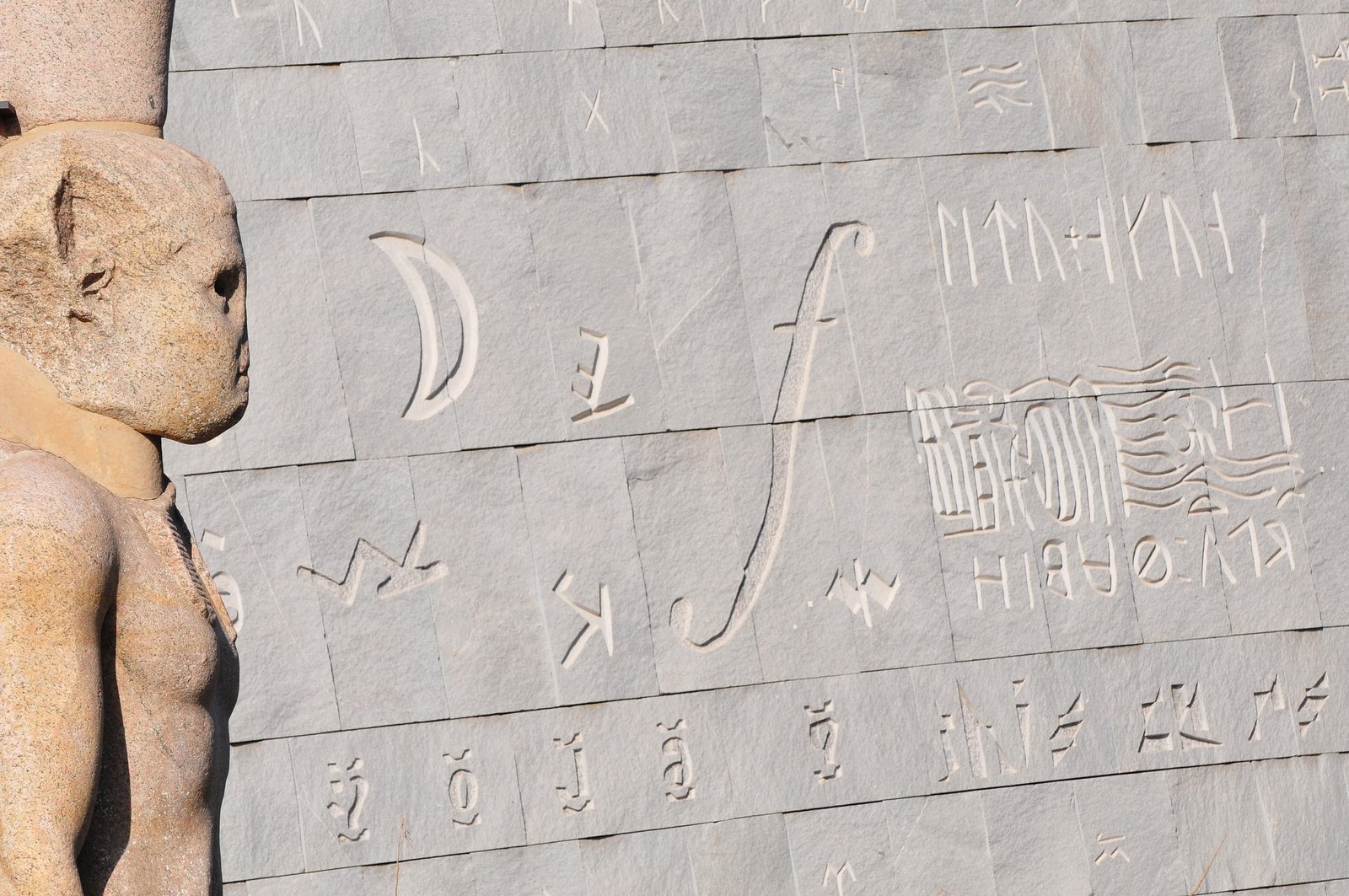
The Observatory Science Center consists of the observatory dome building and the Museum of the History of Science, which is located inside the inverted pyramid at the end of the dome building. The design of this museum is to honor scientists who contributed to the development and dissemination of science and knowledge through their work.
Also, the inclusion of the Discovery Hall in this center and its location next to the observatory dome allows for active motivation for visitors in connection with the mentioned exhibitions on various scientific topics, especially physics and astronomy.
The Observatory Center pursues the goal of spreading scientific culture, organizing exhibitions, and providing educational workshops for visitors regardless of their age and scientific background, in order to promote and grow the concept of creating science centers as educational tools.
Children’s Discovery Hall and Science Exhibitions
The Discovery Hall is an educational center that includes a collection of educational hardware aimed at showcasing the role of technology in enhancing human capabilities.
Conducting scientific experiments and tests are conducted in order to familiarize students with the basic laws of physics and astronomy.
The activities of the Discovery Hall are focused on the two main axes of astronomy and natural sciences, with the possibility of presenting organic chemistry (biochemistry) and materials science.
The main goal of establishing the Hall of Discoveries at the Library of Alexandria is to establish the initial nuclei to empower a new generation of discoverers and innovators in contemporary scientific gathering and competition.