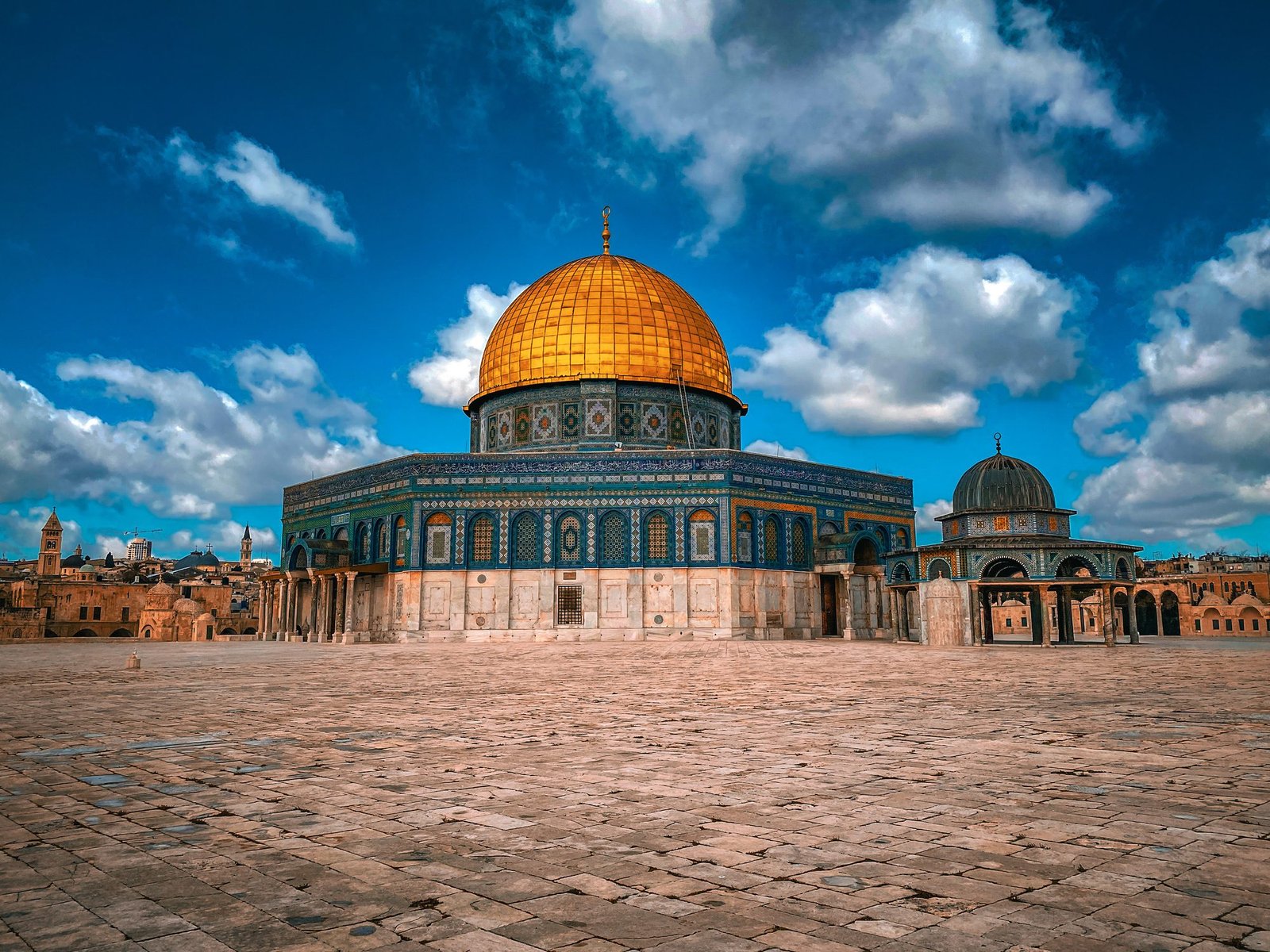
Palestine During the Ottoman period
After the Ottoman conquest, this name was no longer used as an official name, as the Turks often designated subordinate regions by the name of the center. The region became part of the Ottoman Empire in 1516 and was actually part of the Damascus-Syria Vilayet (district) until 1660, when it was cut off from the rest of the country by the occupation of Jaffa, Haifa and Saqqara from 7 March 1799 to July 1799. On 10 May 1832, it was one of the Turkish provinces conquered by Muhammad Ali, but in November 1840 it was again under direct Ottoman rule.
The old name continued to be used by the public and in semi-official contexts. Many instances of its use survive from the 16th and 17th centuries. During the 19th century, the Ottoman government used the term Ard al-Falistin (Land of Palestine) in its official correspondence to refer to the area west of the Jordan River, which was called Palestine under British rule in 1922. Educated Arabs used the term Palestine to refer to all of Palestine or to the Sanjak of Jerusalem, or only to the area around Ramallah.
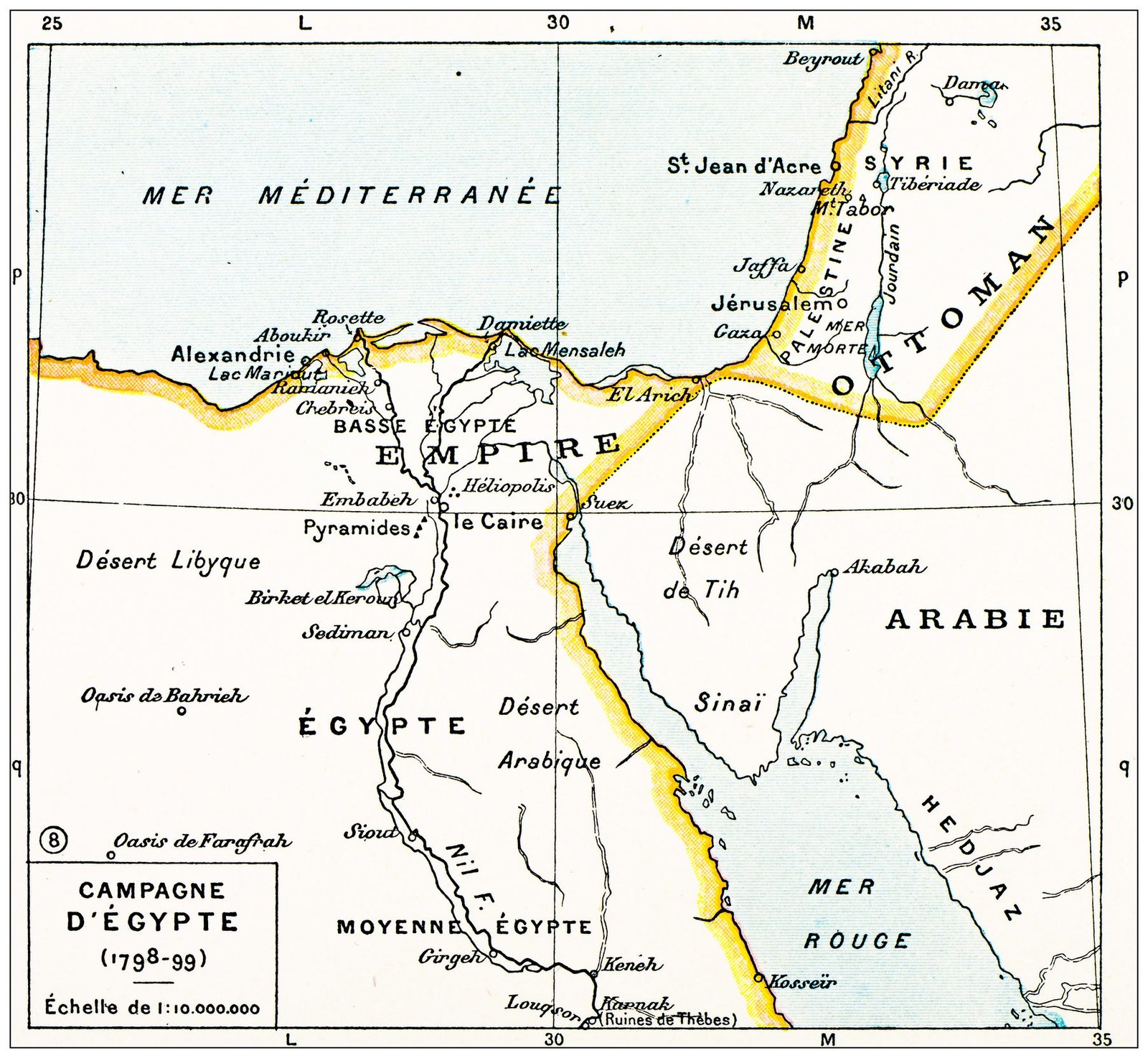
In 1876, in response to Rabbi Joseph Nantonk’s request for permission to settle Jews, the Ottoman Sultan forbade large-scale immigration to Palestine, stating: “Almost all the lands of Palestine are occupied, and the independence that Nantonk seeks is in conflict with the principles of the executive of the country.” The Ottoman government subsequently issued edicts against the mass settlement of Jews in 1884, 1887, and 1888. In 1882, a significant number of Jews began to emigrate to the Holy Land, establishing collective farms (kibbutzim) and eventually establishing the suburb of Tel Aviv in 1909, which later became a city in 1921.
The number of Palestinian Jews, which was only 7,000 in 1700, increased to 60,000 by 1900 (the total population of Palestine in that year was 500,000), which, according to Karpat, indicates that “the Ottoman policy of allowing individuals to emigrate and settle while preventing mass immigration was successful.”
During World War I, Britain pushed the Ottomans back from most of these territories, along with the collapse of the Ottoman Empire. By the end of the Ottoman Empire, the number of Palestinian Jews had dwindled to 55,000.
Palestine After the World Wars
In Europe, before World War I, Palestine was defined as the area stretching north to south from Rafah (southeast of Gaza) to the Litani River (in Lebanon). It extended west to the sea and east to an ill-defined area where the Syrian Desert began. In various European sources, the eastern border was defined as around the Jordan River to the east of Amman. The Negev Desert was not included in this area.
The Sykes-Picot Agreement of 1916 provided that most of Palestine, after liberation from Ottoman control, would become an international zone, not under direct French or British control. Soon after, British Foreign Secretary Arthur Balfour finally put forward the idea of establishing a Jewish homeland in Palestine with the Balfour Declaration of 1917.
The British-led Egyptian expeditionary force, under the command of Edmund Allenby, 1st Viscount Allenby, captured Jerusalem on 9 December 1917 and occupied the entire East following the defeat of Turkish forces in Palestine at the Battle of Megiddo in September 1918. On 29 November 1947, the United Nations General Assembly, by a two-thirds international majority, adopted the United Nations Partition Plan for Palestine (UN General Assembly Resolution 181), which was intended to end the Arab-Israeli conflict by dividing the land of Palestine into two Jewish and Arab states, and placing most of Jerusalem, including Bethlehem, under international control.
Jewish leaders (including the Jewish Agency) accepted the plan, but Palestinian Arab leaders rejected it and refused to negotiate on it.
Arab-Palestinian War
After the Arab-Israeli War of 1948, the temporary ceasefire agreements between Israel and its neighboring Arab states never mentioned Palestine as a separate territory. In these agreements, Palestine was divided among Israel, Egypt, Syria, and Jordan.
In addition to the areas that the United Nations had divided, Israel also occupied 26 percent of the mandated territories west of the Jordan River. Jordan also occupied and annexed 21 percent of the mandated territories. Jerusalem was divided into two parts, with Jordan taking the eastern parts, including the ancient city, and Israel taking the western part. Egypt also took control of the Gaza Strip.
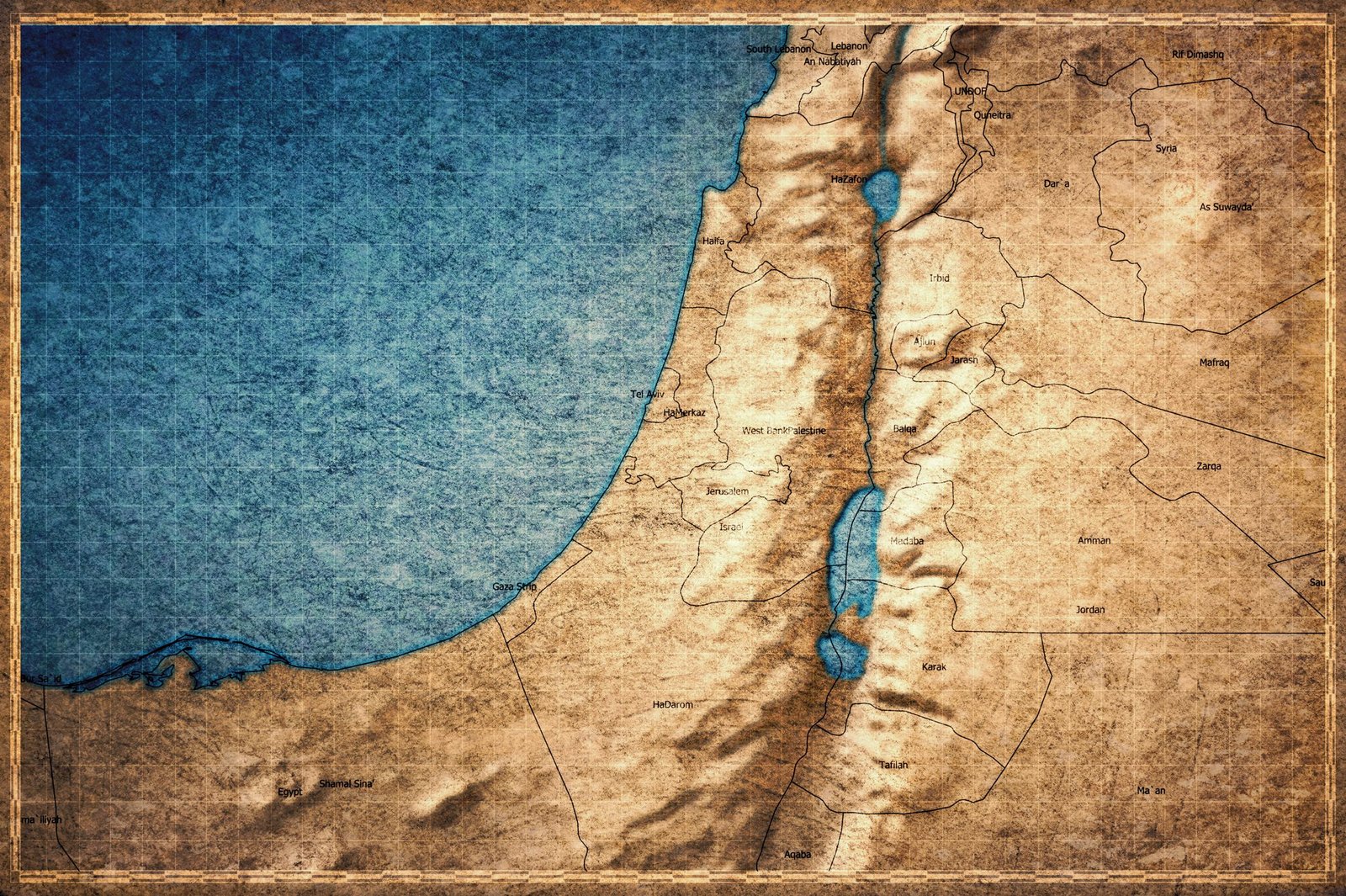
The Most Famous Cities
The first city in Palestine was called “Jericho”, which was founded 8000 years before Christ. After the Arabs migrated to the Palestinian region around 2500 BC, many cities and regions emerged, including: Beisan, Ashkelon, Akka, Haifa, Hebron, Bethlehem and Gaza. The cities of Jericho and Gaza are considered among the oldest cities in the world. Another city in Palestine is Nazareth. This city was the residence of the Virgin Mary; therefore, it has a special place among Christians. The ancient city of Samaria is another city in Palestine. The well in which Joseph (PBUH) was thrown was located in this city. Samaria is also the burial place of John (PBUH).
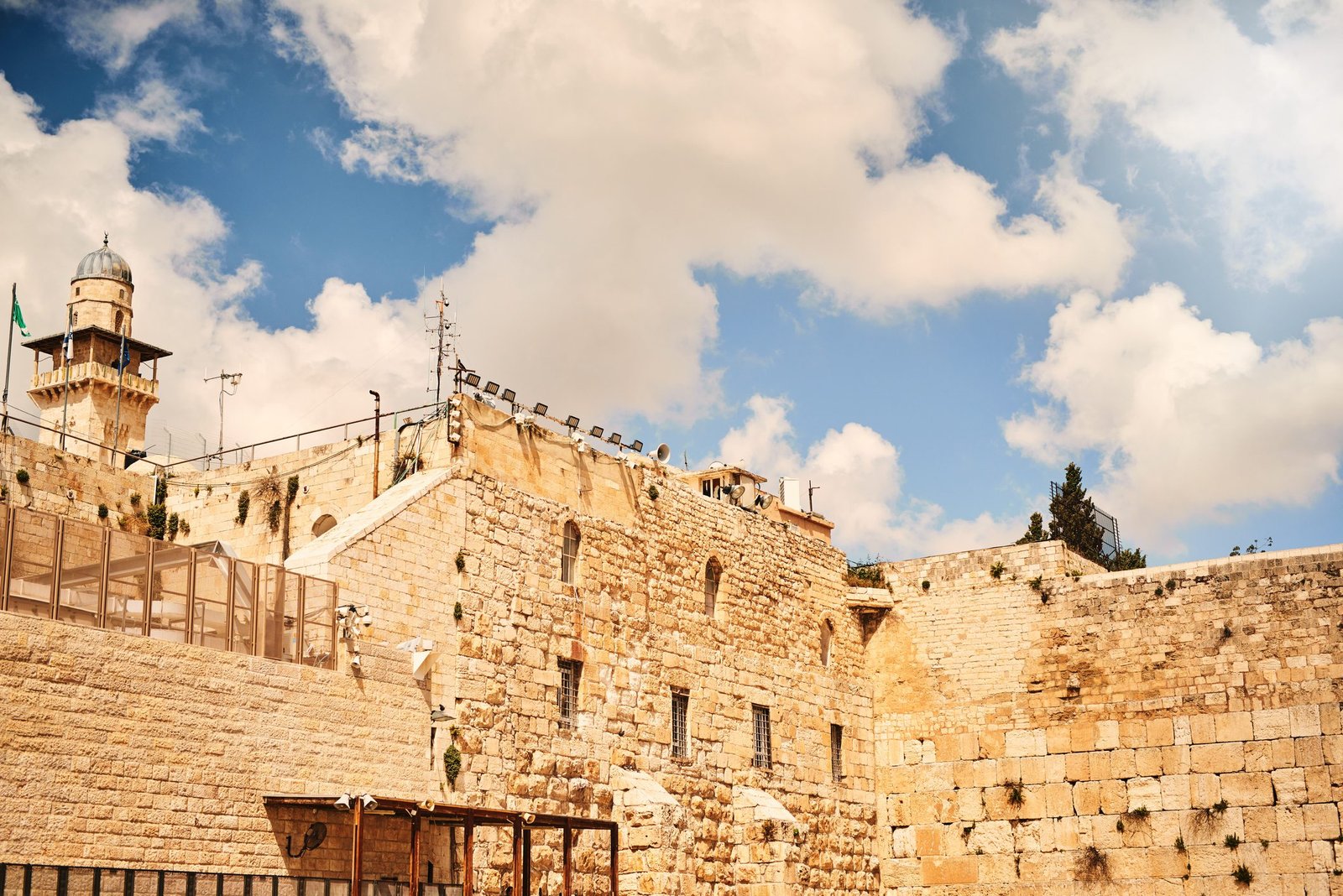
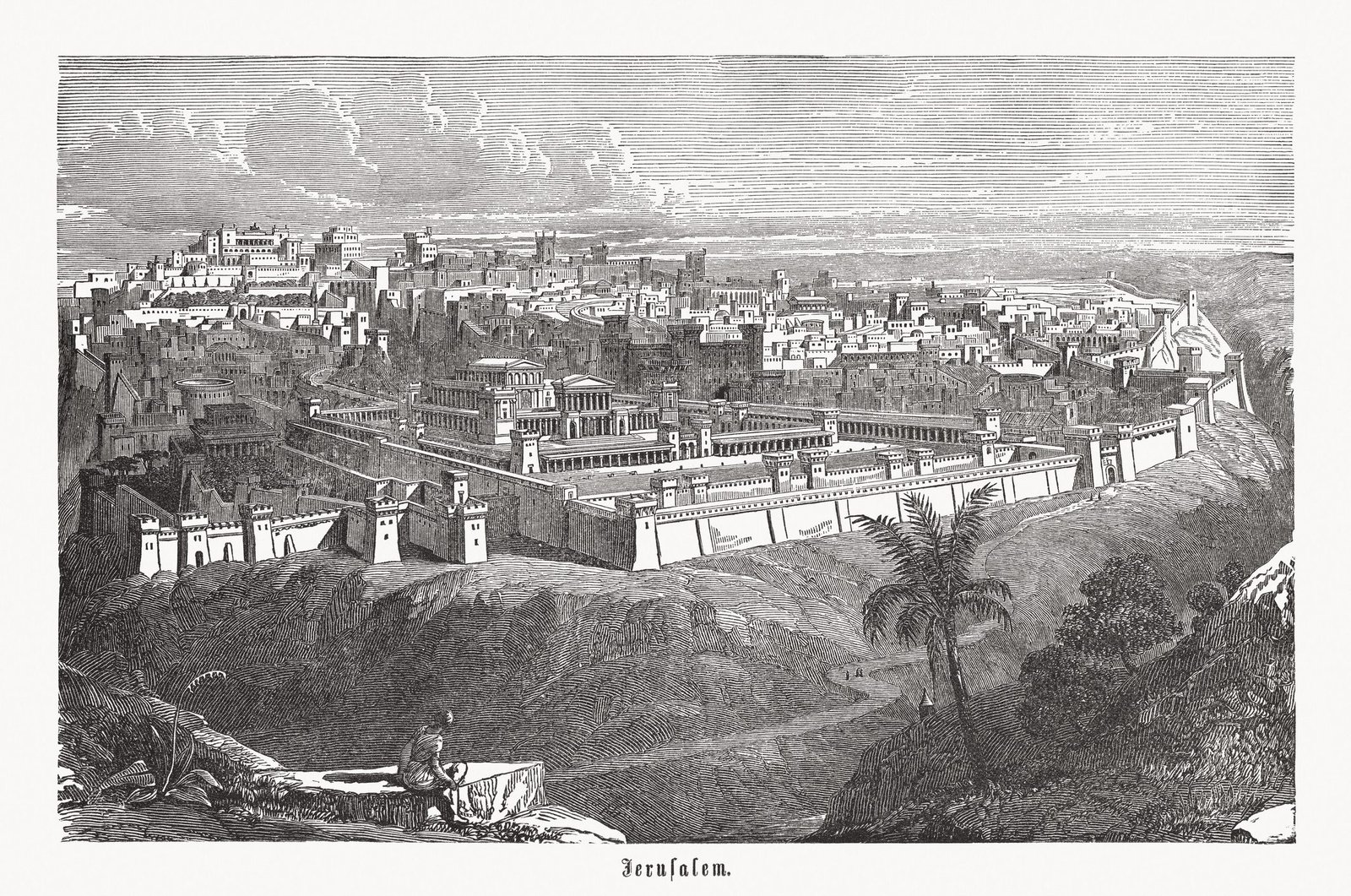
The city of Hebron, with a history of four thousand years, is one of the important cities in Palestine and was once one of the main cities in Palestine. Ramallah is another important city in Palestine. Jerusalem, the current capital of Palestine, is the most important city in this country. This city was the birthplace of Judaism and Christianity. Also, the presence of Al-Aqsa Mosque as the first Qibla of Muslims and the place of the ascension of the Prophet Muhammad (PBUH) has made Jerusalem important to Muslims. Other important places in Jerusalem include the Dome of the Rock, the Tomb of David, and the Shrine of Moses.