British Colonization of India: Resistance, Humiliation, and Independence
India, an ancient land with a rich culture and ancient civilization, has long been the focus of the world’s great powers. But no period has had as profound and widespread an impact on the land and its people as British colonialism, which began with the arrival of the British East India Company in the 17th century and continued until the mid-20th century.
At that time, India was considered a major source of wealth and labor for Britain. British colonial policies in India, especially in the 19th and early 20th centuries, were implemented through a variety of tools, including economics, politics, culture, and militarism.
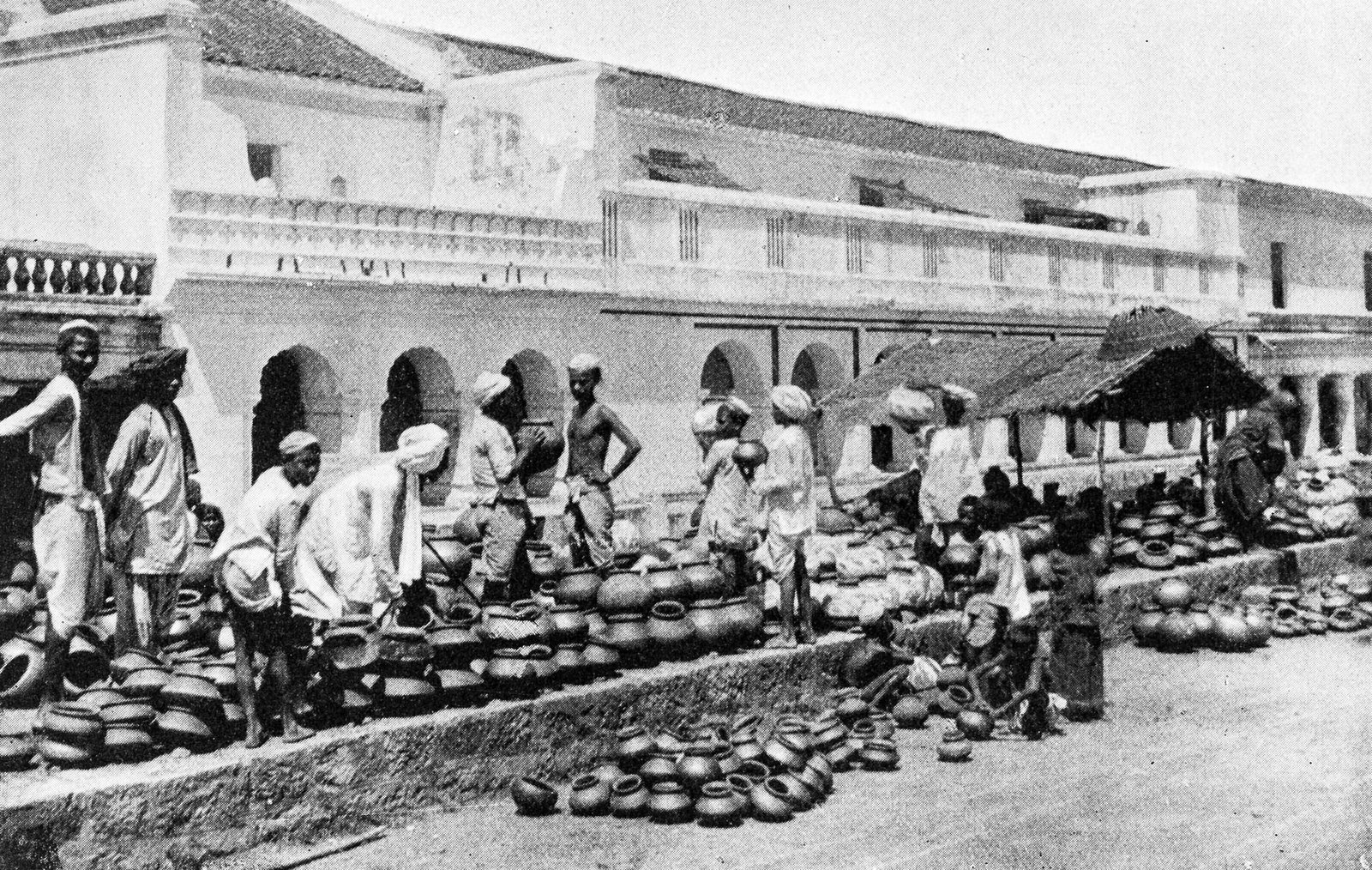
One of the most important aspects of the colonial rule of India was its impact on the economy. The British, through their colonial economic policies, systematically transformed the Indian economy in their favor. They destroyed traditional Indian handicrafts and replaced them with machine-made industries. These changes made India a consumer market for British goods.
Imposing British culture
Another aspect of the colonial rule of India was the imposition of British culture on the land. The British imposed English as the official language of India and implemented the British education system in the country. These cultural changes had a profound impact on Indian society, causing a large section of Indian youth, especially in the middle and upper classes, to gravitate towards British culture.
On the other hand, British colonialism in India faced widespread resistance from the people of the land. Various resistance movements emerged during the colonial period, including religious, political, and social movements. One of the most important of these movements was the Indian independence movement, which, led by figures such as Mahatma Gandhi, led to India’s independence from Britain.
The role of Mahatma Gandhi
Mahatma Gandhi, as one of the main symbols of resistance to British colonialism in India, played a very important role in the country’s independence movement. Gandhi posed a serious challenge to British rule in India by using methods of peaceful resistance, including hunger strikes and mass marches.
Gandhi, with his slogans such as “Independence or Death,” called the people of India to fight for freedom. His movements inspired resistance movements against colonialism and oppression, not only in India but around the world.
The impact of colonialism on Indian society
British colonialism in India had various effects on the country’s society. Among these effects was the change in the social and economic structure of Indian society. With the expansion of machine industries and the change in the pattern of production, many traditional Indian handicrafts disappeared and in their place, new social classes, including the working and middle classes, were formed.
British colonialism also brought about cultural and religious changes in India. With the spread of Christianity and other religions, the religious balance in India was disrupted and some of India’s traditional religions came under pressure.
Literature and art during the colonial period
The British colonial period in India had a significant impact on the literature and arts of the land. Indian writers, particularly in English and vernacular languages, produced literary works that addressed social, political, and cultural issues of Indian society.
Also, traditional Indian arts, such as music, dance, and painting, were influenced by British culture. Some Indian artists combined traditional and modern artistic elements, creating new styles in Indian art.
Resistance movements
Resistance movements against British colonialism in India were very diverse. From religious movements, such as reform movements within traditional Indian religions, to political and social movements, all emerged during this period.
One of the most important resistance movements was the Indian National Congress, founded in 1885. As a political organization, this movement sought greater rights and freedoms for the people of India within the framework of British colonialism.
Wars of liberation
During the British colonial period, India witnessed liberation wars waged by Indian fighters against British forces. These wars included wars against British colonialists in various parts of India.
One of the most important of these wars was the Sepoy Rebellion of 1857. This war, as a military rebellion against British rule, although ultimately defeated, is recognized as a turning point in the Indian independence movement.
Economic structure of India during the colonial period
The economic structure of India during the British colonial period was largely based on agriculture and the export of raw materials. Through their colonial economic policies, the British systematically transformed the Indian economy into a single-product economy that was highly dependent on world markets.
This economic structure made India highly vulnerable to the fluctuations of global markets. This economic dependence was also used as a tool of control by the British to maintain their colonial rule.
Postcolonial Challenges
After India gained independence in 1947, the country faced various challenges in various fields. One of the most important of these challenges was economic and social reconstruction. India needed to reconstruct its economic and social structure in a way that would enable it to achieve sustainable development and social justice.
India also faced security challenges, including threats from its neighbors and internal challenges such as terrorism. These challenges have created the need for strong political, economic, and security structures for India.
An analysis of the legacy of colonialism
The legacy of British colonialism in India is complex and multifaceted. On the one hand, colonialism brought about enormous changes in the economic, social and cultural fabric of India, some of which are still visible today. On the other hand, this legacy, accompanied by deep bitterness and wounds, still affects Indian society.
Issues of social discrimination, economic inequalities, and identity challenges are all part of the colonial legacy in India. Understanding and analyzing this legacy requires a deep and multidimensional look at India’s history and current situation.
Future path
India’s future, as a developing country, is full of challenges and opportunities. Given its colonial legacy and post-colonial challenges, India needs to move towards sustainable development, social justice, and strengthening democratic structures.
On this path, India can take steps towards building a better future for all its citizens by drawing on past experiences and considering current and future needs.
India, with its cultural, social and economic diversity, can be a model for sustainable development and peaceful coexistence in today’s world. The path ahead, full of challenges and hopes, can be guided towards a brighter future with prudence, empathy and cooperation