A Review of the History of the Olympic Games (1948–2020): From Celebration of Peace to the Cold War
1948 – London
After the 1940 and 1944 Olympic Games were canceled due to World War II, the 14th Olympic Games were held in London and symbolized a global celebration of peace after years of conflict. Iran made its first official Olympic appearance with a 38-member delegation.
1952 – Helsinki
The Soviet Union returned to the Olympic Games after a four-decade absence. Due to Cold War tensions, the Olympic Village was heavily secured, and Eastern Bloc countries were housed separately from Western nations.
1956 – Melbourne
Egypt, Iraq, and Lebanon boycotted the Games in protest against the Israeli occupation of the Suez Canal. Due to Australia’s strict livestock import laws, equestrian events were held separately in Sweden.

1960 – Rome
Italy hosted the Olympics in the historic heart of Rome. Ancient landmarks were incorporated into events, including wrestling at the Basilica of Maxentius, gymnastics near ancient ruins, and the marathon finishing at the Temple of Constantine.
1964 – Tokyo
The final torchbearer was Yoshinori Sakai, born on the day of the atomic bombing of Hiroshima. His role symbolized remembrance of the tragedy and Japan’s post-war recovery.
1968 – Mexico City
Just days before the Games began, Mexican students staged major protests against the government, influenced by global political movements. The unrest highlighted the growing politicization of the Olympics.

1972 – Munich
On September 5, Palestinian militants attacked the Israeli team’s residence in the Olympic Village. The incident resulted in multiple deaths and marked one of the most tragic and political moments in Olympic history.
1976 – Montreal
Many African nations boycotted the Games to protest New Zealand’s sporting ties with apartheid-era South Africa. When their demands were rejected, they withdrew from the competition.
1980 – Moscow
At the height of the Cold War, the United States and several allies boycotted the Games in response to the Soviet invasion of Afghanistan. Iran also did not participate, marking its absence from the first Olympics after the Iranian Revolution.
1984 – Los Angeles
In retaliation for the 1980 boycott, the Soviet Union and most Eastern Bloc countries boycotted the Games, citing political and security concerns.
1988 – Seoul
Cuba, North Korea, Albania, Ethiopia, Nicaragua, and Seychelles boycotted the Games. North Korea had unsuccessfully requested to co-host some events, while Cuba criticized South Korea’s hosting.
1992 – Barcelona
The Soviet Union competed for the last time under the name “Unified Team.” South Africa returned after the end of apartheid. Newly independent nations such as Latvia, Lithuania, Estonia, Croatia, Slovenia, and Bosnia and Herzegovina competed under their own flags.
1996 – Atlanta
Held during the 100th anniversary of the modern Olympics, the decision to award hosting rights to Atlanta instead of Athens was controversial. The lighting of the torch by Muhammad Ali became one of the most iconic Olympic moments.
2000 – Sydney
Known as the Millennium Games, the Olympics saw first-time participation by Micronesia and Palau. Athletes from North and South Korea marched together under a unified flag.
2004 – Athens
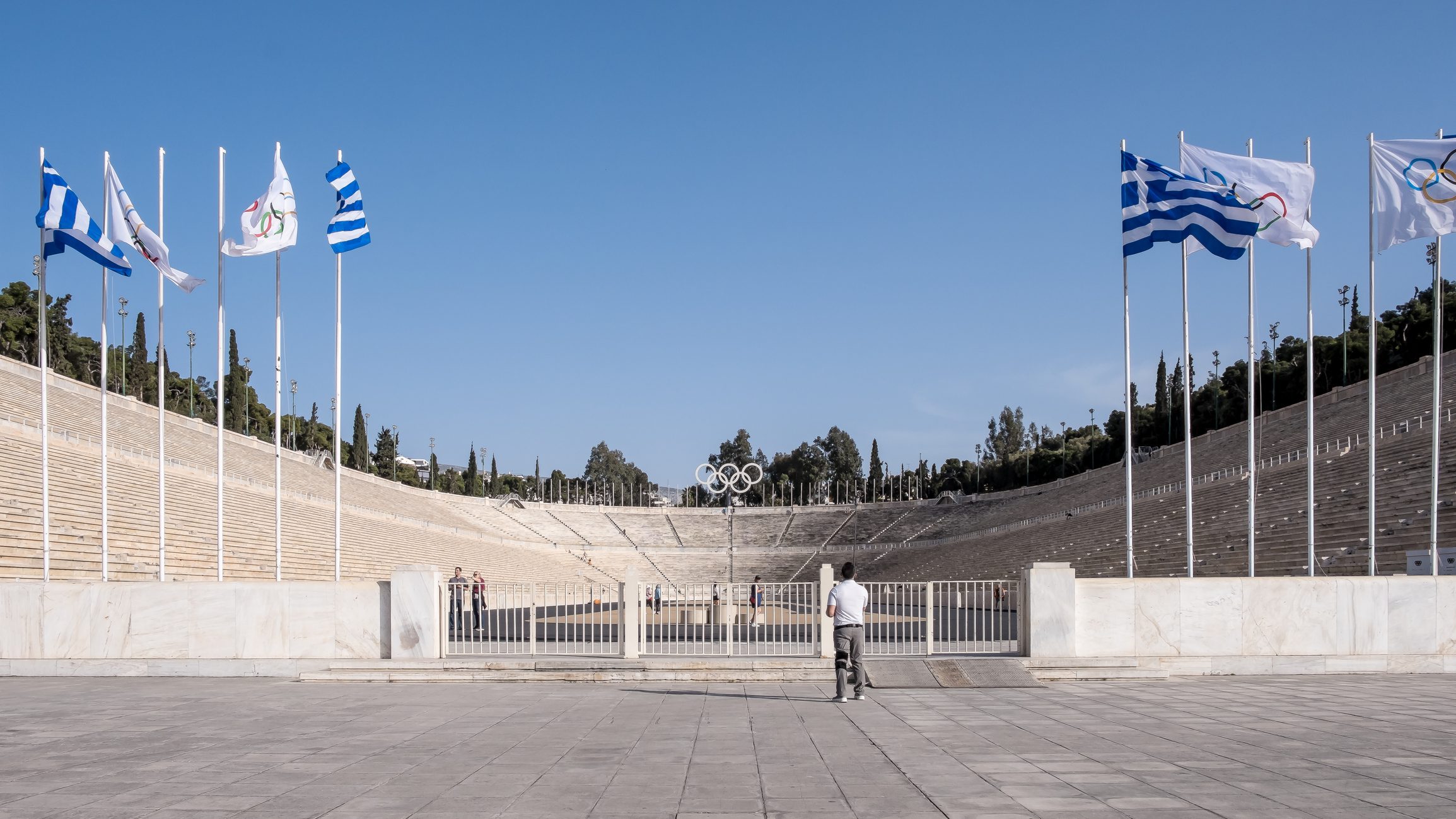
The Games returned to Greece 108 years after the first modern Olympics. A record 201 countries participated, marking the largest Olympic gathering at the time.
2008 – Beijing
The opening ceremony began at 8:08:08 PM on August 8, reflecting the cultural significance of the number eight in China. The event showcased China’s global emergence.
2012 – London
The 30th Olympic Games were historic, highlighted by Michael Phelps becoming the most decorated Olympian of all time with 18 gold medals.
2016 – Rio de Janeiro
Protests erupted during the Games over poverty, government corruption, and public spending. Demonstrators clashed with police and criticized the Olympics amid Brazil’s economic crisis.
2020 – Tokyo
The Games were postponed by one year due to the COVID-19 pandemic, making them the first Olympics in history to be delayed rather than canceled.