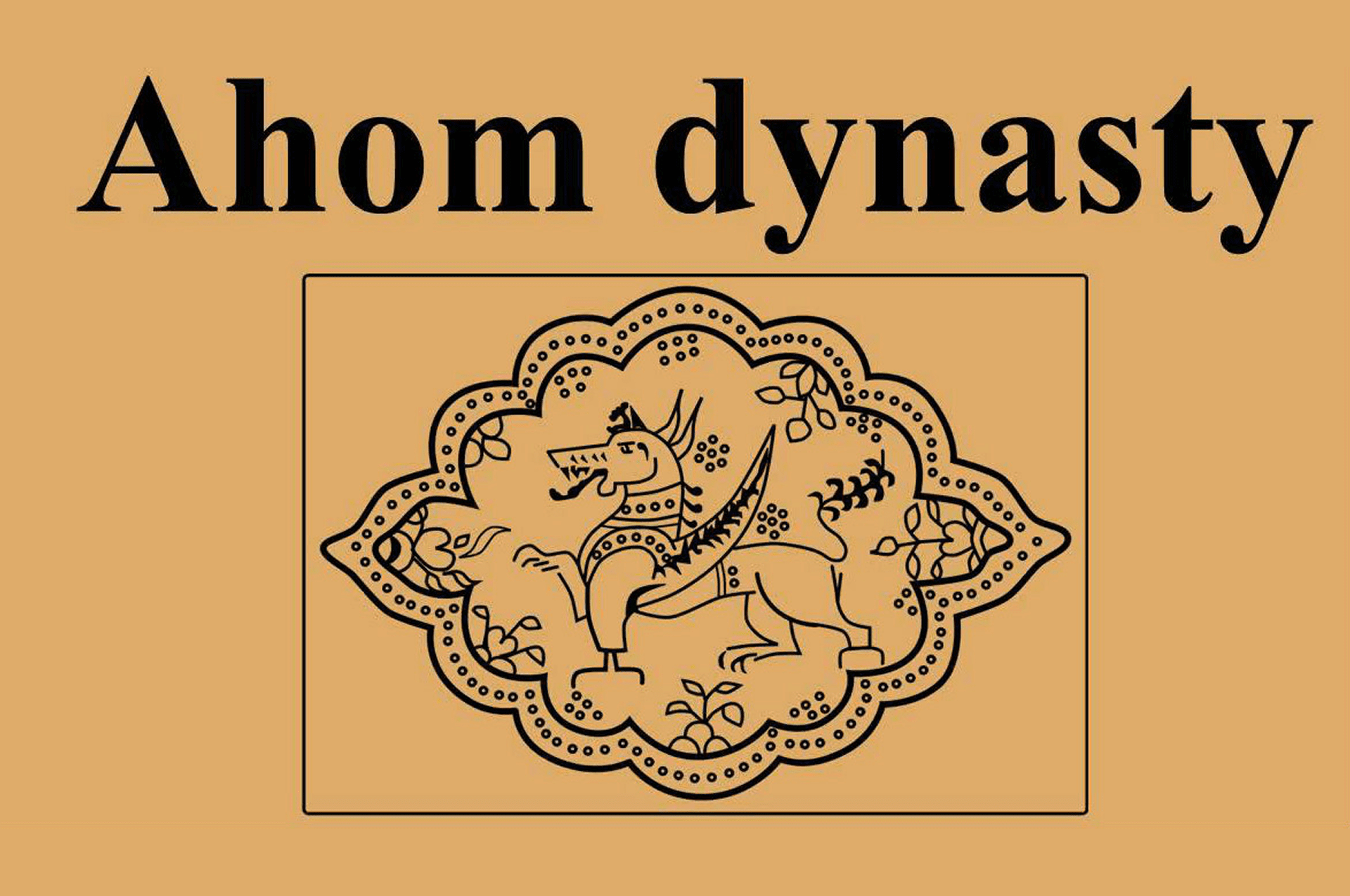
The Ahom Kingdom stood unconquered for Six Centuries
Origins of the 13th Century Movement in 1228
Chaolung Sukapha’s Arrival
Back then, in 1228, a leader named Chaolung Sukapha – some call him Chu Kapha – moved into the Brahmaputra Valley from what today is Myanmar. His arrival marked the beginning of one of India’s standout royal lines. Most invaders clash right away, but not him. He picked a land few lived on, tucked between rivers and mountains – the Buridihing up north, the Dikhow down south, and the Patkai peaks eastward. That quiet choice shaped everything after.
Early Beginnings and Diplomatic Efforts
Starting strong, the first Ahom victories came through shrewd diplomacy rather than military action. Sukapha linked up with nearby groups like the Barahi and Maran people, building trust one step at a time. His seat of power rose in Charaideo, where key roles named Buragohain and Bargohain took shape slowly. Into those hands by 1280 went land and rule, separate but balanced. That split authority stuck around, shaping how leaders worked together long after.
The Technology of Prosperity
Farming methods for wet rice arrived here because of the Ahoms, who passed on what they knew to nearby villages. Because of that exchange, ties between groups grew stronger, along with steady food production across the lowlands.
Expanding Empires in the 1500s
Territorial Expansion During Chuhungmung’s Reign
By the 1500s, the reach of the Ahom began stretching farther than ever before. Their move into Chutia lands took place in 1523, while Koch-Hajo fell much later, in 1581. Step by step through the 1530s, various tribal areas were drawn into their rule. Little by little, what started as one among many local forces grew stronger, bolder. Power shifted quietly, then noticeably, as boundaries redrew themselves across the region.
Administrative Evolution
Out of nowhere came a need to rethink how things ran. To handle it, fresh top roles appeared – Borpatrogohain stepped in beside the old pair, just as powerful. Overseeing ex-Chutia zones fell to Shadiakhowa Gohain. Former Kachari areas got their own leader too: Marangikhowa Gohain took charge there. People lined up through the paik setup, forming fighting groups that first grew from family ties.
The Ahomization Process
Back then, blending into Ahom culture pushed their numbers up fast. Whole groups, such as the Barahi, vanished into it entirely. Some Nagas and members of the Moran joined too, slipping slowly into daily Ahom life. By the 1500s, that mixing still held strong – woven deep into how people lived.
Transformation The Multi Ethnic Kingdom
From Same to Different
Out of nowhere, growth raced ahead – Ahomization lagged behind. Strangely enough, rulers turned outnumbered in lands they once dominated. Numbers shifted underfoot, reshaping everything: identity blurred, boundaries softened. A mixed realm emerged, quiet and unannounced, unlike most powers of its time.
Hindu Impact on Shared Traditions
From the late 1300s under Bamuni Konwar, Hindu presence began shaping life more deeply. In palace halls, Assamese started being spoken, sitting beside the older Tai tongue. While once devoted to ancestral spirits and local deities, the Ahom people slowly turned toward Hindu beliefs. Over time, their written form shifted too, taking on features close to scripts seen in Sanskrit and Bengali traditions.
Social Structure
A single khel might rule several villages, where people belonged by birth. When war came, every grown man from those places joined the fighting force. Growing crops happened together – land went to farmers through village groups. Only if everyone agreed could the ruler take that land away.

Military Zenith Facing the Mughals 17th Century
The Mughal Invasions
When the seventeenth century pressed hard, Ahom strength faced waves of Mughal assaults. By 1662, Mir Jumla led troops that seized Garhgaon, the heart of their realm – this marked a crushing low.
Lachit Borphukan The Silent Shield
On November 24, 1622, a child entered the world who would later define Ahom strength through battle. By 1665, leadership had shifted into his hands – named Borphukan, head of all soldiers. Facing tides of invasion, he stood firm, guiding a resistance that shaped an era. His command marked the turning point when survival outweighed retreat.
Over ten fighters stood one known as Deka. For every hundred, a Sena took charge. A thousand answered to Hazarika alone. Three thousand followed Rajkhowa without question. Six thousand fell under Phukan’s reach. At the top, Borphukan held command of them all.

The Battle of Saraighat 1671
A fight on water by Guwahati, along the Brahmaputra, grew famous – said to be the biggest ever seen on a river. Though unwell, Lachit Borphukan led his Ahom troops into action when Ram Singh arrived from Amer, sent by Aurangzeb’s Mughals.
Ahead of dawn rumors spread – Ahom forces had crushed the assault completely. They pushed beyond old lines, claiming land up to the Manas River after driving back invaders. Instead of regrouping, Mughal leaders quietly dropped any thought of taking Assam forever. Long after, tales call Lachit the “Shivaji of Northeast India,” a name carried each year when people mark Lachit Divas every November twenty-fourth. At the National Defence Academy, silence falls before the awarding of the honored Lachit Borphukan Gold Medal.
Maturation During the Tungkhungia Era
Administrative Adjustments During Pratap Singha’s Rule
King Pratap Singha shaped the realm’s governance into something lasting. Out of older traditions rose a more ordered way of managing duties. Not just titles but real roles took shape – Borphukan, Borbarua, and others filled with purpose. Smaller posts appeared like markers along a path already laid. Through years that followed, little shifted in how things ran. Even time did not wear down what had been built.
Golden Age of Peace
Peace settled in when the last line of kings took charge – Gadadhar Singh’s heirs – who shaped a time rich with art, bold designs, yet quiet strength. Rising tall even now, the Rang Ghar whispers skill through stone, among South Asia’s earliest arenas built for gathering crowds.
decline driven by internal struggles and outside forces
The Moamoria Rebellion
Few decades after its peak, unrest boiled over in what became the devastating Moamoria Uprising. For a stretch of years, insurgents held Rangpur under their grip until Captain Welsh of the British forces stepped in, tipping balance back toward the monarchy. Harsh crackdowns followed – people fled, many were put to death – but peace stayed out of reach, old rifts still open beneath the surface.
The Burmese Invasions
A broken realm could not stand against wave after wave from Burma. In 1826, under the Yandaboo deal, six centuries of Ahom rule came undone – folded without choice into Britain’s growing reach.
Legacy: Cultural Contributions
The Buranji Chronicles
History took shape under Ahom hands when they shaped the Buranjis – detailed records born in their own tongue, then slowly blending with Assamese over time. Not every ruler thought to write things down, but these did, capturing wars, treaties, successions without missing a beat. What survived was more than memory – it became proof of how power moved, shifted, changed across centuries. Because of them, moments long gone stayed clear, unblurred by guesswork or myth.
Enduring Presence
Not many realize how long the Ahom rule lasted – close to six hundred years, surviving wave after wave of Mughal attacks without ever surrendering. Even under British control, when royal power faded, their people remained rooted in Assam, carrying traditions forward. Few kingdoms in India matched that endurance, staying free for so much of their history. Today, descendants live across the region, part of everyday life yet distinct in identity.
A different beginning marked their rise – starting small, moving far. Not luck but choices built their strength across generations. While others fell, they held ground without surrendering once. Ways of ruling shifted when needed, never rigid. New customs blended into old ways naturally. Strategy shaped survival more than sheer force ever did. Even after centuries passed, echoes remain visible today. Their legacy lives quietly beneath surface routines. Resilience wasn’t declared – it was practiced daily.