The Roman Empire at Its Peak: 500 Years of Dominance
Five hundred years of empire followed the end of the republic. That stretch began near the year one and ran for centuries. Rulers changed – Octavian brought calm at the start, Nero brought horror much later. Growth came not fast, but sure. Land by land, Egypt then Greece then Carthage – now called Tunisia – folded inward. Each addition fed strength, filled coffers. Power rose as borders did. Strength grew through battle. Clever minds built strong roads and walls. Art came from Greece, taken during conquests. Ideas flowed in from far places they defeated. Size expanded. Wealth climbed higher. Power held firm across new territories.
Roman Roads and Infrastructure: Connecting the Empire
Building roads lets soldiers travel across the huge empire. Movement of people followed those paths, where every journey carried thoughts and beliefs along the way.

Latin Language and Greek Culture in Rome
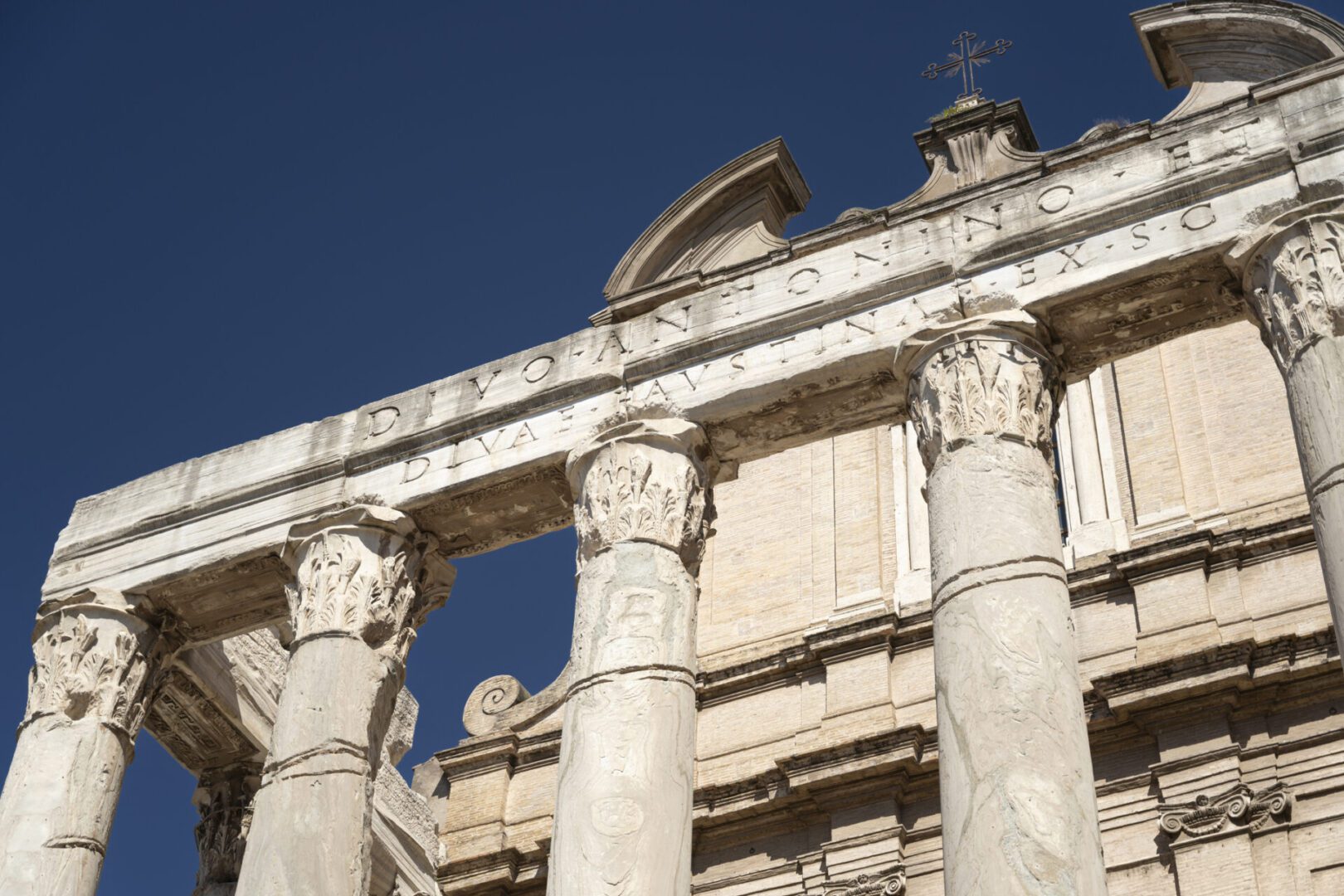
Out of Latium nearby, the Romans took up Latin – made it theirs, then Europe followed. Etruscan hands shaped their gods, letters too; Greek influence mattered most, though. Culture didn’t come naturally to Rome, not at first anyway. Greece, right next door, hummed with creativity – art pouring from every temple wall. Column designs, grand halls, carved figures – all echo that older spark now called Roman.
Roman Empire Territory: From Britain to the Caspian Sea
At its height during the second century AD, Rome’s reach ran through Britain all the way to Greece, touching North Africa while pushing into the Caucasus and along the Caspian shore. Yet following centuries of steady climb, downward drift took hold.
The Rise of Christianity in the Roman Empire
One thing historians keep coming back to is how Rome faded over a couple of centuries. What stands out is how faith in Christ rose while imperial power weakened. This shift has filled many pages, studied again and again.
Christianity Spreads Across Europe
Before Christianity spread, emperors in Rome saw their rule as blessed by pagan gods. When trouble struck and leaders faltered, critics claimed they’d lost a deity’s trust. This happened while more people were turning to Christ. The new faith didn’t share space with old ones – it replaced them. To follow it meant giving up every other god.
Constantine I: The Emperor Who Embraced Christianity
From the Middle East, Christianity first emerged. For some time, Rome refused to allow it. Then came Constantine I – ruling with great influence among Roman emperors – who embraced the faith. His choice shifted everything: Rome followed his lead. Across Europe, the religion started moving forward.
Early Christian Persecution: Debate Continues
One question people still argue over: Were those early Christians punished just for being Christian, or did some break laws like stealing? That uncertainty has fueled arguments among historians for ages. Some of those voices show up in the podcast linked below. More on that comes further down the line.
Christianity’s Impact on Roman Society
Still, here’s what happened. Faith took root in Rome, yet soon enough, Rome began shaping that faith too. The rise of Christianity there – what did it bring? Entirely fresh churches appeared. Supervised by clergy, shelters for children without parents opened up. New spaces emerged as well, spots where women who had just given birth might stay awhile, safe and cared for.
These places resembled early hospitals. A different concept back then. And yes, they came from a Christian initiative. Something else appears too – the slow rise of buildings and ideas tied to Christianity. These spaces and beliefs gained strength during the last few hundred years of Rome. Unlike older structures like amphitheaters, they mark a shift. What once stood for public spectacle now gives way to places of faith.
This change unfolds quietly, yet clearly. Not every stone shouts; some simply stand differently.

The Fall of the Western Roman Empire
Few agree on how to label the shifts after the fourth century – was it decay, or just a shift? Lately, some scholars avoid words like fall, preferring terms such as adaptation. Power once firm by 100 AD looked fragile three hundred years later. What started strong ended strained.
Barbarian Invasions and Economic Collapse
Around what time did the sixth century happen? Think early 500s. That period lines up with the beginnings of Islam. Forget massive empires – those arrived later. This was before Umayyad power took hold in the seventh century. Focus on the lifetime of the Prophet himself. Nowhere near its former strength, Rome found itself without a clear direction. Struggles never stopped – economic strain mixed with political disorder shaped daily life.
Fighting outsiders took up much energy; one crisis after another piling on. Those labeled barbarians included everyone outside Roman identity. Modern Germans fit here, just like modern Czechs. Anyone not born into the system carried that name. A weight pressed hard on the empire – not from afar, but from those once called allies. Once brought in to wield weapons for Rome, now turning blades toward it.
From rivers far north, they moved, slipping past the Danube and Rhine into southern lands. Not nations bound by borders, yet real in their presence. Think of German tribes standing where no single state marked its name. Like Italians before unity, they lived scattered, known through time by actions, not maps.
Eastern Roman Empire vs Western Roman Empire
Here’s something worth remembering: our focus sits on the Western Roman Empire. While that half crumbled in the 400s, the East stood firm – surviving a full millennium longer, right up to 1453, when Ottoman forces took Constantinople. This entire discussion is closely tied to the West, often simply referred to as the Roman Empire.
Oddly enough, as the Western part weakened over two hundred years, the Eastern wing thrived. Its banners flew tall. Cities grew wealthier. The territory remained steady, yet life improved steadily within. Learning and research in places like Alexandria, Beirut, and Istanbul flourished under Eastern rule. Across the Mediterranean, conditions split sharply – even though both halves bore the name Rome. One fell fast. The other endured long.
Beyond that point, roughly five centuries past the birth of Christianity, Rome crumbled into history.