
From Kingdom to Empire
The Foundation of Western Civilization
Home to what we call Italy today, the land lived through ages under the Roman Empire’s shadow. Power sat in that very city – Rome – for longer than most nations have existed. Once it ruled as the heart of a republic, then wore the crown of a kingdom, long before that, an empire. This stretch of earth matters, shaped by deep roots and constant change. Few places carry time so visibly on their streets. Take time to look at the big picture of life across Italy these last three millennia. This helps make sense of how faith, people, and institutions shaped one another throughout European history.
Ancient Rome Timeline: 1500 Years of Power
Fifteen hundred years shaped what people now call ancient Rome. Starting way back in the 700s before Christ, stretching into the 400s after – across that span came three big stretches of power:
1. Roman Kingdom (300 Years) – A stretch of three centuries saw Rome under royal rule. Kings held power during that long chapter. Roughly 300 years shaped early Roman history through monarchy.
2. Roman Republic (500 Years)
3. The Roman Republic lasted about 500 years.
4. Roman Empire (500 Years)
Roman Empire (Empire Romain) for about 500 years.
Starting around 800 BC, a kingdom formed that held power for roughly three centuries. Following that phase, governance shifted into what people call the Roman Republic. That system remained strong for half a millennium, growing land holdings bit by bit. Expansion stretched right up to the start of the first century, known as year one.
After that point, control changed form once more, becoming an empire. It stayed intact for another five hundred years. By five hundred years after the recorded birth of Jesus, the Western region fell apart. Meanwhile, the eastern portion kept going, now called either the Eastern Roman Empire or simply Byzantium.
Rome: The Eternal City on the Tiber River
It starts with a city, right there on the Tiber. This tale belongs to Rome before anything else. Life along the river shaped what came next. From those shores, everything spread out slowly. Power stayed rooted in one spot through all the changes. That same center holds firm now as Italy’s heart. Even today, it remains unchanged – Rome stands where it always did.
The Early Era of Ancient Rome Before the Empire
Now known as Italy, this place holds Rome at its heart, home once to Italic tribes. From ancient times, the region shaped global power as few others could match. Its story begins not with empires, but with a tiny settlement beside the Tiber River – Rome by name. Over time, that cluster of huts turned into something more: a thriving urban hub.
Expanding slowly, it pulled nearby towns under its reach. One conquest after another stitched lands together. The boot-shaped stretch of Europe fell first. Then came control over every shore touching the inland sea. Once upon a time, it reached all the way from today’s Iraq to what is now Britain. Stretching westward, touching both the Persian Gulf and the cold waters of the North Atlantic. Should someone ask where Western culture truly began, they might point straight to Rome. Its roots took hold, then flourished, under the reach of that vast empire.
How the Roman Republic Worked: Ancient Democracy Without Kings
Power shifted differently back then. Instead of kings, Rome built a fresh setup five centuries before Jesus appeared on Earth. This structure gave the Romans strength over distant lands nearby. Between royal rule at the start and later, half a millennium unfolded without crowns or thrones. A different kind of government took shape during those years.
Could a society grow strong without anyone ruling from above? Institutions might make it possible. Power got split among different bodies. Those on top shifted over time. A term limit kept leaders temporary. The Senate played its part. Not everyone in the republic held authority. Rule rested with a circle of noble families sharing control.
The Roman Senate and Citizen Power
Thinking back that far takes care. Around then, Persia saw the rise of the Sassanid rule. Not like now, where voting shapes nations. Yet calling it pure kingship misses the mark. Support grew from citizens during certain eras. That strength helped resist invasions – Hannibal’s forces never broke through.
Conflicts arose not just from leaders, but public desire shaped decisions. The Senate often followed what the crowds favored. One such case? Opposition against Carthage – a civilization linked to modern Tunisia.

Roman Republic Expansion: From City to Superpower
This republic, from ancient times, rose into one of the strongest forces around. Five hundred years passed, during which most of the Italian land came under its reach; what began as a small settlement near the Tiber turned into a citizenship spread across the whole region. Starting with just a fraction of people, numbers climbed until close to five million wore the name Roman.
From that core, spreading outward through modern-day Italy, military strength built slowly – trained fighters ready when conflicts arose. Its influence stretched far past local borders, reaching across waters until dominance covered much of the sea and nearby lands.
The Fall of the Roman Republic
Over time, more land meant more influence for those elite families. As their grip grew stronger, old systems built on shared rule began to crack. People started feeling left out, frustrated by what they saw. Commanders gained greater control within the army ranks. Troops often felt let down, restless without a clear purpose after campaigns ended.
That unrest mattered deeply since these fighters once held the republic together through strength and loyalty. Far from home, men spent years pushing boundaries across distant lands. Once battles ceased, there was little waiting for them – no work, no wealth to return to. Most just lingered, ready for the next fight because nothing else offered stability. All of this, mixed with unseen tensions below the surface, fed into deepening turmoil near Rome’s final days as a functioning republic.
Pompey vs Julius Caesar: The End of Shared Power
Power shifted when armies grew too big. Generals took charge, especially Pompey and Julius Caesar. One led troops far away, never coming back to vote or debate. That left control in a few hands. Senators mattered less each year. Leadership slipped from shared rule into personal strength. Soldiers followed their commander more than the state.
This imbalance weakened old structures slowly. Rome felt the strain without naming it. Two men held sway, neither fully king, yet both acting alone. Authority fractured at the top. No citizen body could balance them anymore. A republic needs many voices. Instead, command flowed through camps and legions. Dual dominance created tension no law could ease. Power lived on edge, waiting. Far from Rome, Pompey moved east through the provinces, claiming them without much resistance.
Heading west instead, Caesar drove his troops toward where lavender fields bloom now – what people call southern France. Through battle after battle, he claimed what would become modern France and Belgium. Eight full years he remained across those lands, fighting, building strength. Power grew quietly but deeply during that time.

Julius Caesar: The Dictator Who Changed History
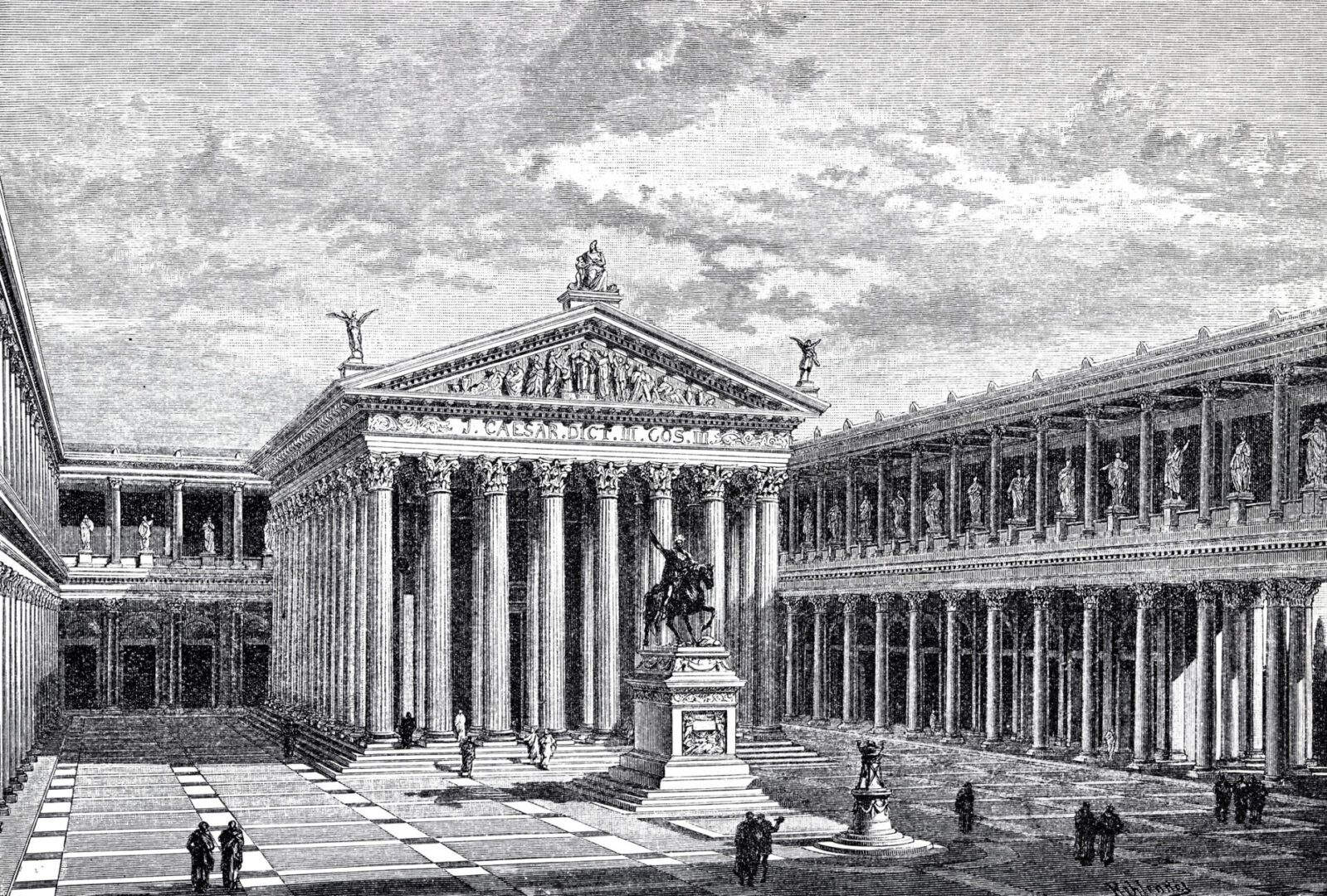
Julius Caesar appears around the time of Christ, linked forever to July’s name. Right now, picture him coming back to Rome – war already tearing through the Republic. His troops stand behind him, strength built on loyalty and battles fought. Power shifts fast – he takes control after crushing rivals one by one. Back then, “dictator” just meant short-term rule during chaos, lasting half a year. Yet Caesar bends the role, holding onto command without end dates.

Augustus: The First Roman Emperor
Power never sticks around for long in one place. Murder ends Caesar’s grip on Rome fast. His nephew steps into power – Augustus – the name behind August, now the first true ruler of Rome’s empire. From back then come a few names still known today. July and August survive as calendar reminders, honoring those two figures. Words like tsar or kaiser also trace their roots to Caesar, titles that did not exist before him.
Here’s Julius Caesar – marking Rome’s shift from republic to empire, around when Jesus lived. Not that they met. He existed then, though, tied to well-known tales.

3 thoughts on “The Rise of Ancient Roman Empire: 700 BC”
Great
Power without kings, order through institutions. Ancient Rome proves leadership doesn’t always need a throne.
Roman Republic History in very interesting!!!