The Truth Behind Headless Sculptures
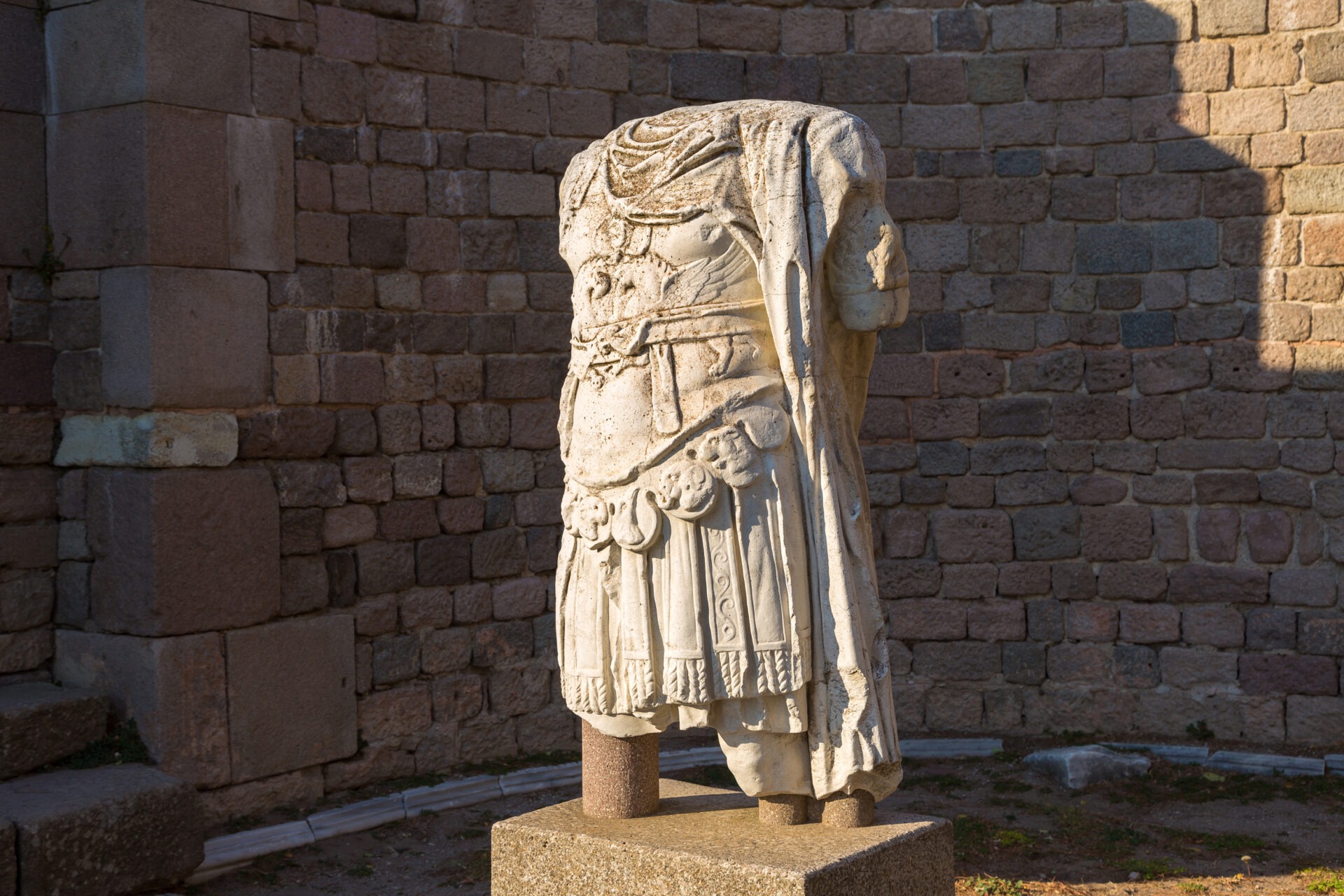
Walking through museums filled with artifacts of Rome’s past, chances are good you’ve seen them – statues missing their heads. Those quiet stone figures stand tall, yet often without faces. From grand emperors to unknown citizens, decapitation seems common. Time took its toll, yes – but people did too. Some lost heads during wars, others when tastes changed.
Vandalism played a role, as did the reuse of materials. Even nature cracked and wore down what hands left behind. Many were already broken when dug up centuries later. What remains stands incomplete, telling only part of the story.

The Mystery of Headless Roman Statues
Fingers or noses chipped here and there – sure, that happens across old sculptures from any culture – but then you notice how many Roman statues miss their heads entirely. So what gives? That kind of damage isn’t just wear and tear. Something else must’ve knocked them off at scale.
“Although it is often impossible to know for sure how a statue lost its head, there are clues that lead archaeologists to a few common causes,” says Rachel Koser, a professor of classics and art history at Brooklyn College and the City University of New York.
Why Roman Statues Lost Their Heads: The Main Causes
The Weak Point: Physics and Fragility
One big reason so many statues lack heads? The neck just can’t handle stress well. Should one tip over or get jostled while being moved, something always snaps there first. Fragile by design, that spot gives way fast.
Across the vast Roman Empire—spanning from Britain to North Africa, from Spain to the Middle East—thousands of statues stood in forums, temples, and public spaces. Moving, relocating, or even just the passage of time put immense stress on these vulnerable neck joints.
Deliberate Destruction: Damnatio Memoriae
Not every shattered head came by chance. Often, Roman hands smashed them on purpose. Such acts happened when monuments faced deliberate ruin.
Out of favor after death, a ruler might face the Senate’s decision to erase him. Should that motion pass, officials would scratch his name from records, seize everything he owned, while workers chipped away at his images and likenesses across the city.
A ruler like Nero often faced backlash after his reign ended, with numerous depictions bearing signs of deliberate harm – noses chipped, faces scratched. Some figures vanished entirely from public view over time. Damage spread across busts and carvings alike, showing how strongly people reacted once he was gone.

Modular Design: Intentional Detachable Heads
Now here’s a twist – some Roman sculptors built statues so the head could come off at the neck on purpose.
This way, different stuff could go into the figure’s torso versus its face, Kenneth Lapatin points out – he handles old artifacts at the J. Paul Getty Museum in LA.
A single figure might involve several carvers. The face, crafted in another workshop altogether, often arrived late – slotted into place only when everything else was done.
This practical Roman approach allowed for mass production across the empire. Bodies could be carved from local stone while precious marble heads were imported from distant quarries in Greece or Asia Minor.
A piece of carved stone, shaped long ago to stand alone before being fixed onto a figure. Once free, now joined – its purpose changed by time and the hands that followed.
“Such sculptures are clearly recognizable because the bodies have holes where the sculptor could insert the neck,” Lapatin adds. “They also have smooth edges on the underside of the head in the neck area, instead of jagged fractures.”
Modern Theft and the Black Market
Every now and then, someone has taken off the heads of these statues lately. Old Roman sculptures sold for high prices, yet some dishonest traders saw a chance to profit even more – by chopping off their heads. Splitting one piece into two meant double the sale, so they started removing necks without care.
Some statues found by museums come in pieces that fit back together. Yet sometimes holes made while taking things apart keep the head from matching the body perfectly. Fixing what got broken becomes necessary when the match is off.