
Displacement and Belonging: Kurdish Voices Rising
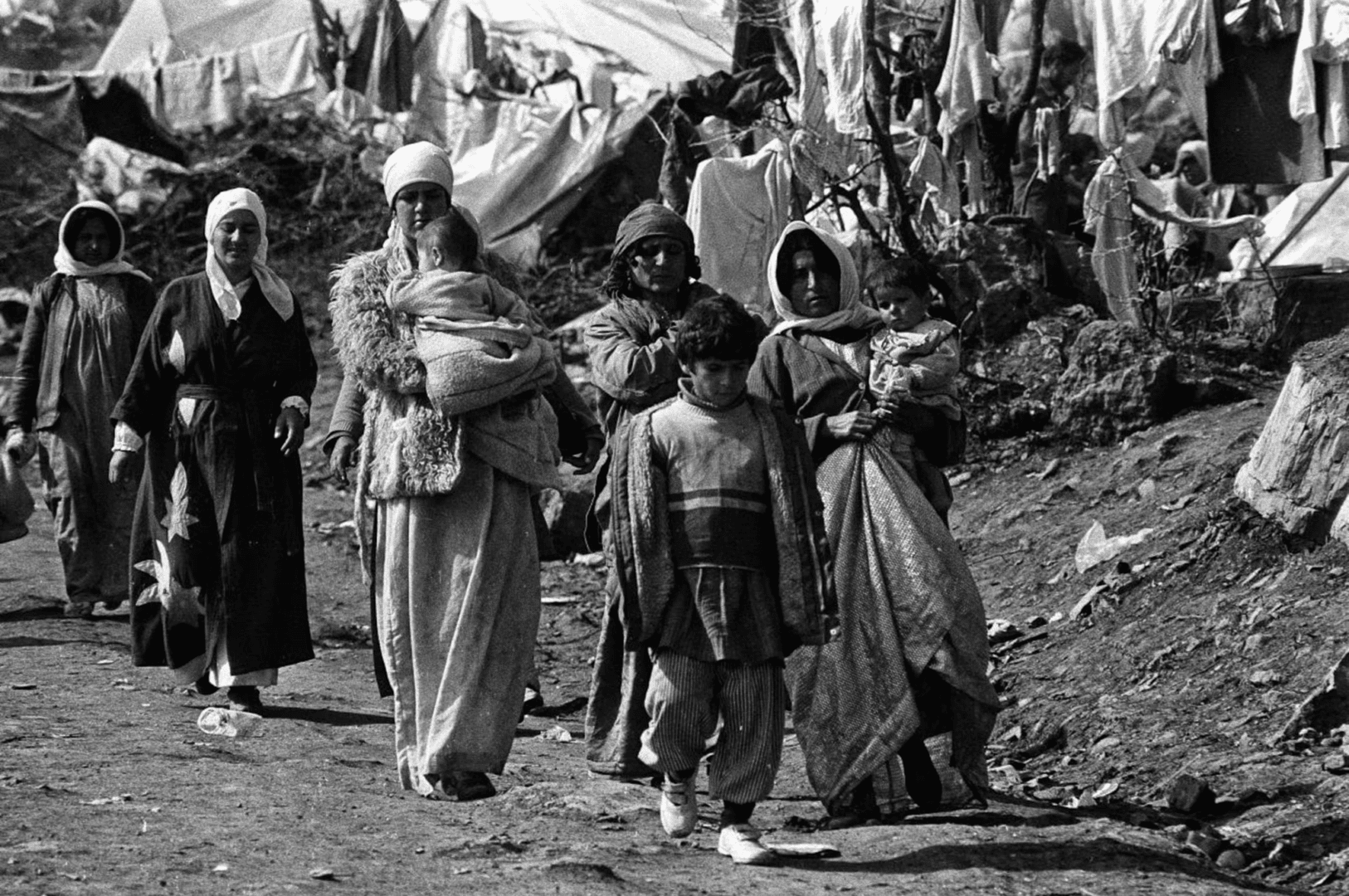
Currently, millions continue to flee across continents just to stay alive. By 2026, the number will hit 42 million souls labeled as refugees. Most never see their names in big news outlets – especially Kurds. Pushed from homes by violence, they carry quiet strength through endless uncertainty. Belonging becomes a question without answers. Still, their lives echo truths everyone understands deep down.
The Hidden Side of the Humanitarian Crisis: Who Are the Refugees?
Out here among displaced communities, few stories stretch on like that of Kurdish people fleeing conflict. Though numbering millions without a nation, their experience rarely shows up when the world talks about those running from war or oppression.
Kurdish Lives on the Move Between Nations
Across Turkey, Iran, Iraq, and Syria live some 25 to 35 million Kurds, never granted their own nation. Safety drives many from home, fleeing violence or struggle, because belonging nowhere stretches back decades.
A wave of movement has swept through the Kurdistan Region, where around six thousand five hundred people left in 2025 by one count – eleven never reached shelter. Behind each number: a parent, a sibling, someone hoping for calm after chaos. Staying meant threats; leaving meant facing storms on foot, in dark boats, across borders without names. Some found graves instead of refuge. What stays is this – not just figures, but real lives pulled toward unknowns.
Syrian Kurdish Refugees Face Two Displacements
Facing steep odds, Syrian Kurds struggle daily. Despite helping defeat ISIS and creating self-governed zones amid conflict, what lies ahead is unclear. While authorities such as the Kurdistan Regional Government teamed up with UNHCR to set up shelters – Domiz being one – crowds swell past limits, pushing aid systems to snap under pressure.
Most of Iraq’s 330,000 refugees – more than 91 percent – are settled across cities and camps within the Kurdistan Region. Nine refugee sites host a full third of them. Families originally escaping ISIS violence found little stability after that, uprooted again by Turkey’s military actions. Now fresh upheaval looms as Syria’s power dynamics keep changing.

The Journey Surviving And Losing
Dangerous Routes and Deadly Crossings
Kurds Have Taken in Over: Over 2 Million Displaced Persons
From Syria and Iraq since 2011
| Region | Number of Displaced Persons |
|---|---|
| Syria | 7,780,000 |
| Iraqi Kurdistan | 2,250,000 |
| Turkey | 2,070,000 |
| Rest of Iraq | 2,020,000 |
| Lebanon | 1,080,000 |
| Jordan | 630,000 |
A steep price tag along for them chasing safety across oceans – some pay as much as seventeen grand just to try. Lately, a growing number of youth from Raparin have turned toward the path stretching through Libya into Italy. Eight hours on water is the usual guess, though fate cuts short too many crossings. Not everyone makes it to the other side.
Frost bites at anyone trying to cross into Europe through Turkey, especially where outdoor camps offer little shelter. Nights stretch long for Omer, a Kurd seeking safety, huddled near flames under vast skies on the edge of the U.S. and Mexico, wondering if dawn will come. What happened to him repeats across borders – wave after wave of displaced Kurds seen less like humans escaping harm, more like obstacles needing control.
The Human Cost of Migration Restrictions
Caught between tightening borders and shrinking options, Kurdish refugees face growing uncertainty across the globe in 2026. With just 7,500 spots open, America’s refugee intake hits a record low for that year. Across the Atlantic, Britain moves toward time-limited protection while pushing permanent residency waits up to two decades. Even Germany, previously seen as a haven, now follows stricter rules on asylum.
Years pass for Kurdish families on the move, waiting in limbo without answers. Held in detention across Libya, Tunisia, and Turkey, many see no end in sight. Camp life shapes childhoods – school fades in and out, tomorrow stays blurry.
Mental Health After Leaving Home
The Hidden Scars Refugees Live With
What stays unseen weighs heavily. Many carry wounds that don’t bleed. Studies show deep mental strain among Kurdish refugee groups – fear, sadness, constant unrest. These burdens grow heavier when silence is expected at home. Shame becomes another border they cannot cross.
Starting over far from familiar faces can break a person down inside. When skilled workers land in new nations, old titles mean nothing here – licenses expire, papers gather dust. Suddenly, they sweep floors instead of leading meetings, which grinds away at pride bit by bit. Status slips while memories of danger still echo through the nights. Roots ripped out once grow nowhere fast.
Breaking the Silence on Mental Health
Even though lots of Kurdish refugees struggle to get mental health care, the reasons go beyond just access. Tight community bonds sometimes breed worry – people fear what others might think if they speak up. Still, studies point out something different underneath: even where silence is common, private views are often kinder. Most folks say they would back a friend or family member reaching out for therapy. What people do quietly does not always match what happens publicly.
Nowadays, groups helping Kurdish refugees notice how bonding with others eases distress. What stands in the way is building support that respects Kurdish customs yet includes current psychological care.
**To know more about the situation, please refer to the following blog.**

1 thought on “Why Kurdish Refugee Stories Matter, 26′”
This piece gives voice to stories the world too often ignores. Important, moving, and overdue.