Framing the Question of Inevitability
The Cold War remains one of the most debated periods in modern history. But the question has been raised millions of times: was it avoidable? Though the conflict shaped global politics from the late 1940s until the early 1990s, there were no direct military confrontations, but persistent political, ideological, and military tension. This blog focuses on ideology, power politics, leadership choices, and post-war conditions.
The Global Situation After World War II
The Balance Shift
Europe was left economically devastated and politically unstable after World War II. Colonial powers such as Britain and France were weakened due to economic and human losses. The United States and the Soviet Union emerged as the two dominant superpowers due to the absence of other strong neutral forces that could mediate between the rivals. Thus starts the competition to influence the newly liberated and decolonized nations.
Alliance During War
The US and the USSR came together only with the intention to defeat Nazi Germany. This alliance was based on necessity, and they both didn’t share any ideological values between them. Suspicions existed even during wartime cooperations, and differences in vision usually came to light during postwar reconstruction as early as 1945.

Ideological Conflict: Capitalism vs. Communism
Fundamental Differences in Political Beliefs
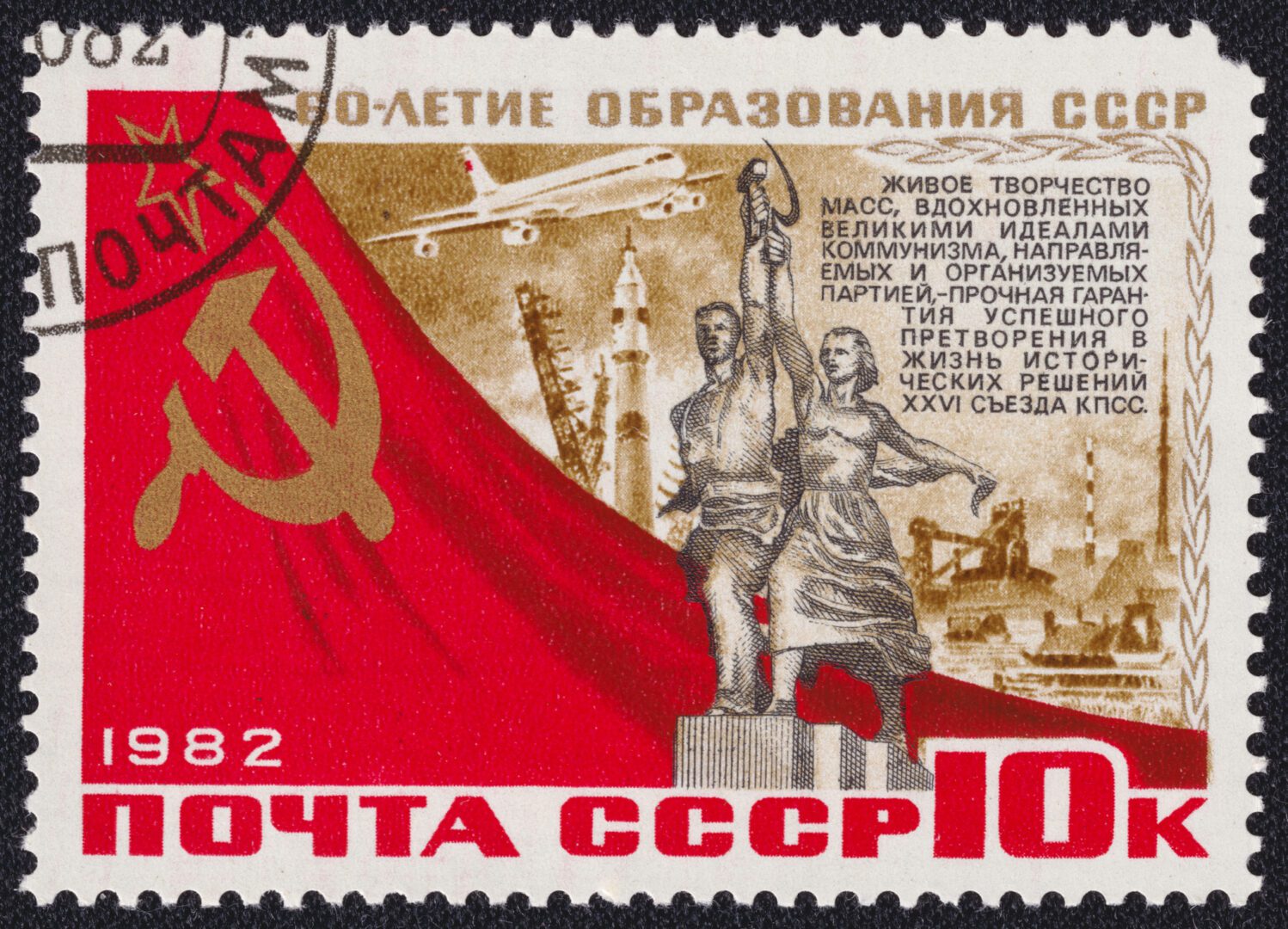
The United States promoted liberal democracy and free-market capitalism, while the Soviet Union advocated one-party rule and a state-controlled economy. Both viewed each other as a threat to global stability, while ideological incompatibility made long-term cooperation difficult.
The fear of ideological expansion spread through the US while communism spread through Eastern Europe. While the Soviet leadership feared capitalist encirclement and internal destabilization. Both sides (the US and the Soviet) believed their system must expand to survive while ideology transformed geopolitical disagreements into existential struggles.
Leadership Roles and Policy Decisions
United States Strategic Choices
The President Truman Doctrine aimed to contain communism globally after WW2. The Marshall Plan offered economic aid but reinforced Western alignment, which the Soviets refused, increasing division in Europe. US policies were framed as defensive ones but seen as aggressive by Moscow.
The USSR established pro-Soviet governments in Eastern Europe while creating buffer states to prevent future invasions, and all actions were interpreted by the West as their expansion plan. Stalin’s centralized control heightened Western fears.
Conferences and Missed Opportunities for Cooperation
The Yalta Conference outcomes on agreement about post-war Europe remained vague. There were different interpretations of “free elections.” While temporary cooperation masked underlying tensions within Europe.
Potsdam Conference Breakdown
Rapid leadership changes increased distrust among people, and disagreements over Germany’s future intensified. While the nuclear weapons knowledge altered the entire power dynamics, conferences revealed the depth of ideological and strategic divides.

The Arms Race
Atomic Bomb as a Turning Point
After the bombing of Japan by the USA, their monopoly on nuclear weapons initially shifted the balance, while the Soviets’s development of the atomic bomb escalated tensions. The fear of mutual destruction discouraged direct conflict between both superpowers. Both sides increased military capabilities for personal protection and defensive measures perceived as offensive threats. Though the Cold War escalated due to reinforced hostility, nuclear deterrence locked both of them in prolonged rivalry.
Historiographical Perspectives on Inevitability
The US has often come to the front and blamed Soviet aggression and expansionism and argued that the war was unavoidable due to the communist ideology they carried. While some Revisionists and Post-Revisionists claimed that it was unavoidable due to US economic and political dominance plus a high increase in mutual misunderstandings and security concerns, that made it inevitable over time.
Conclusion: A Conditional Inevitability
The Cold War was not inevitable in theory, but a series of decisions, fears, and misinterpretations made it increasingly unavoidable. Structural factors and human agency both played roles. The CIA and KGB were always the key players, and a network of spies played a major role in the following sequence of events.
The question remains relevant in understanding modern geopolitical rivalries. Studying this war helps explain how global conflicts emerge and persist in the present situations too.