Hitler and Germany: A Question of Right or Wrong?
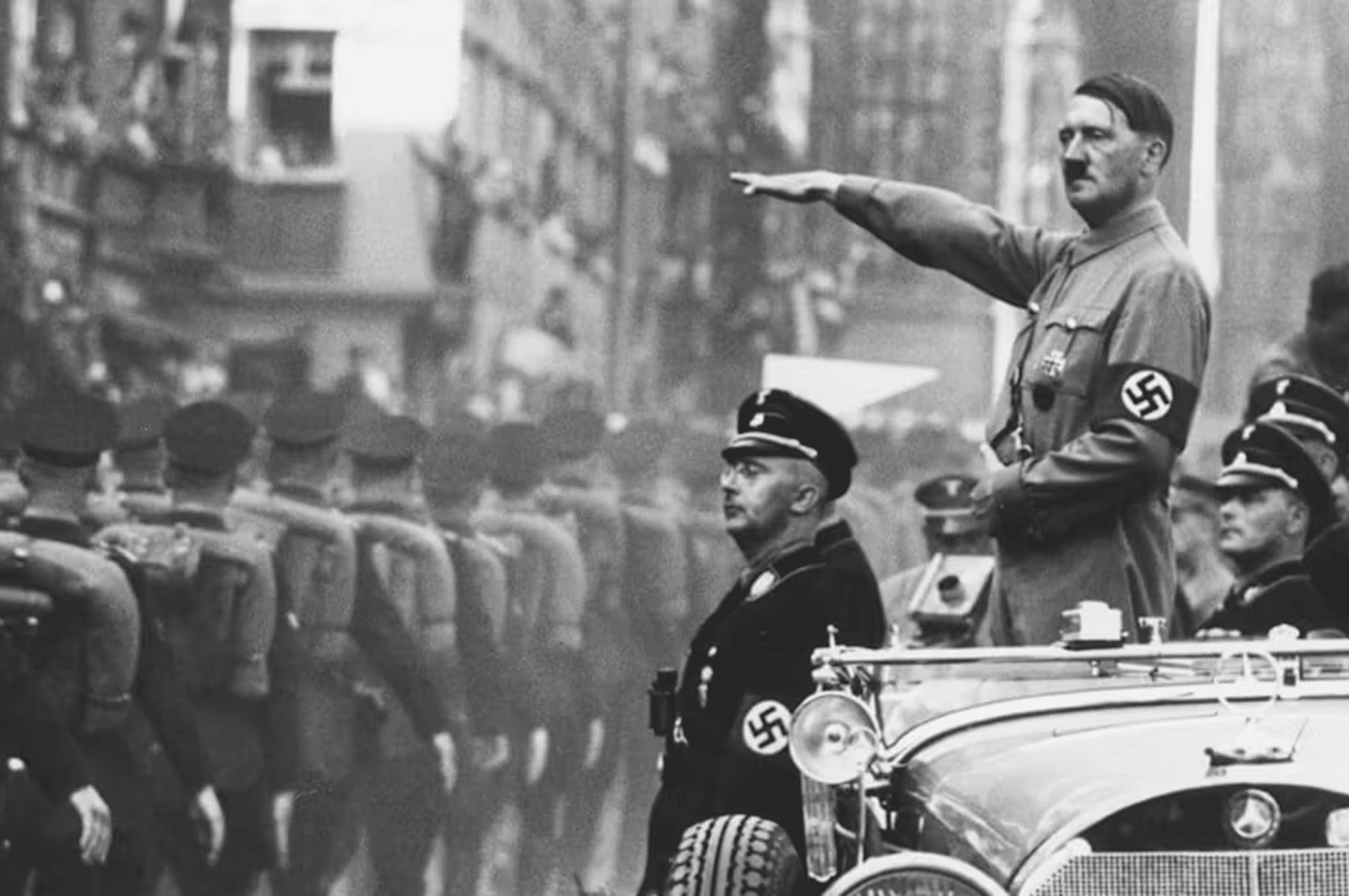
History offers few figures as widely condemned as Adolf Hitler. Across nations and ideologies, researchers concur his time in power caused immense suffering. More than fifty million people died worldwide under his command. Six million Jewish lives were taken through state-run extermination efforts. Germany faced destruction – its economy shattered, its borders redrawn. Looking back at events leading up to war does not excuse any act he endorsed. It seeks clarity on how extreme harm gained momentum. Awareness of these patterns remains vital today.
Hitler’s Path Followed Democratic Collapse
The Weimar Republic Crisis, 1919–1933
Falling apart right from the start, Germany’s democracy struggled under heavy burdens after World War I. Hardship followed hardship once the Weimar Republic took shape in defeat’s aftermath.
Heavy payments forced on Germany after World War I left deep anger among its people. Money lost value so fast in the 1920s that regular folks saw life savings vanish in days. By late 1923, something as simple as bread took billions of marks to buy – up from just hundreds at the start of the year.
Hard times struck Germany harder than most when the 1927 downturn deepened into full crisis. Joblessness climbed fast – by three years later, six million were without work. Factories slowed to less than half their former output during that stretch. Financial institutions crumbled one after another, taking what little money people held onto. In big urban centers, lines formed daily where food was handed out in tin bowls.
Shaky from the start, democratic structures cracked under pressure. Cabinet after cabinet came and went, held together by temporary deals that never lasted. Fighting spilled onto city blocks as armed factions on the left and right clashed without restraint. People began doubting whether voting could fix what ailed them.
Electoral Manipulation and Backroom Deals
A single year changed everything when hunger met hate. By 1930, millions cast ballots not for joy but for survival. Power slipped through cracks lawmakers ignored. What began as whispers in beer halls echoed across ruined streets. Votes climbed like fever – two million became thirteen. Broken jobs, broken trust, and broken rules let rage take root slowly. Democracy did not die overnight; it blinked too long.
Come 1930, the number of people voting for the Nazis hit 6.4 million. The summer election of 1932 saw them rise as the top party in Germany, grabbing 37 percent – yet falling short of control. After Hitler took office and fear shaped the climate, even the spring 1933 vote gave them just under 44 percent. Power came not from overwhelming support, but from fragile coalitions and pressure.
That day in January of 1933 changed everything – no one saw it coming. Though Hindenburg had little respect for Hitler, men like von Papen and Hugenberg opened the door anyway. Their thinking? Influence him; steer his energy toward old power goals. With enough traditional figures around, surely he’d stay boxed in by the system. Instead, their gamble unraveled faster than anyone expected.
The Timeline of Destruction
Power Gathers Under One Rule, 1933–1934
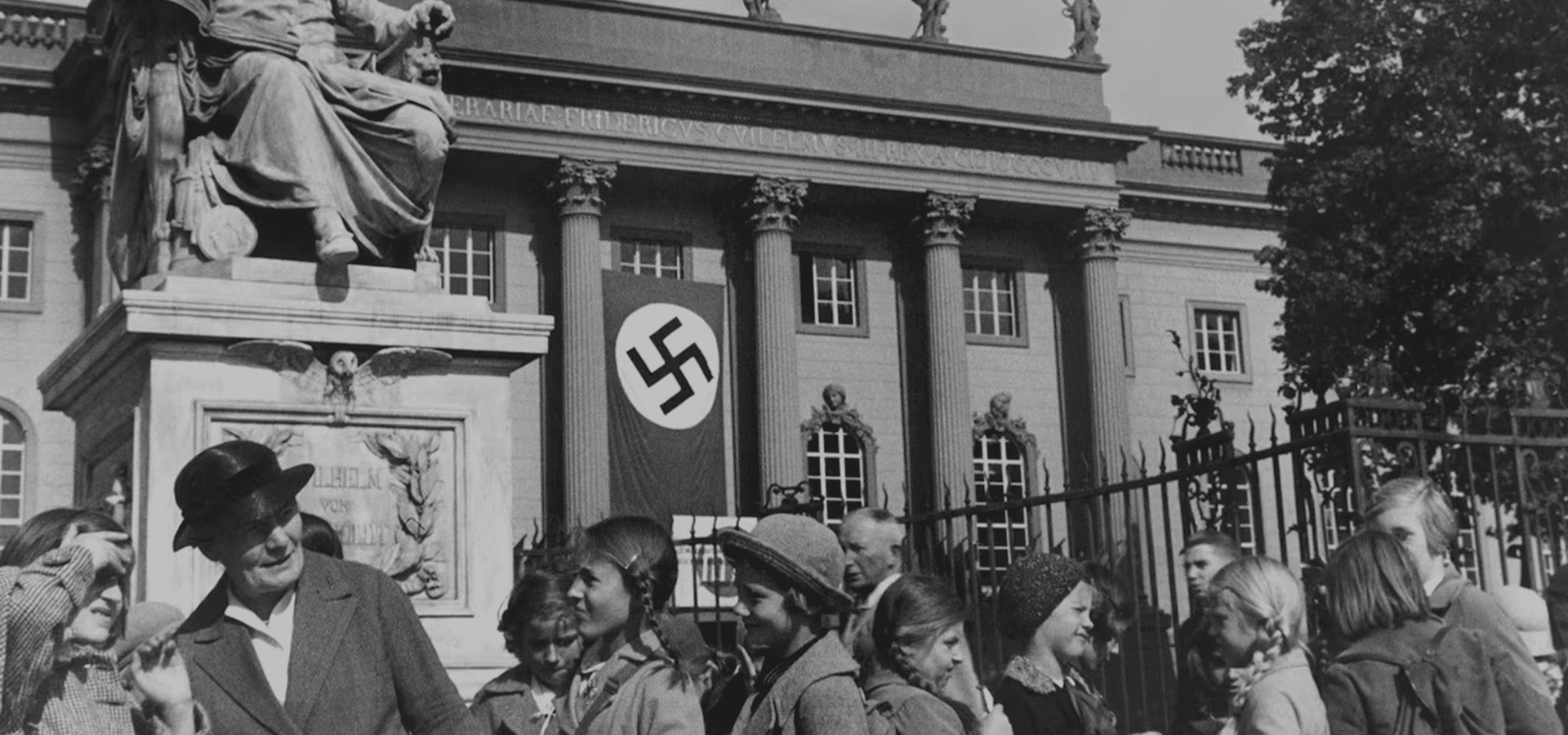
A chancellor now, Hitler wasted no time gutting democracy in Germany. On February 27, 1933, flames lit up the Reichstag building – exactly what he had been waiting for. It was probably his own men who started that fire. Yet he pointed at communists, using fear to push President Hindenburg into signing orders that erased basic rights.
On March 23, 1937, the 84th year of the century before ours, a law slipped through that quietly strangled Germany’s democratic system. That piece of paper handed Hitler’s ministers authority to write rules all on their own – no need to ask parliament, even if those rules broke the existing framework. Soon after, political rivals vanished, forced out or crushed into silence.
That summer night in 1934 cut deep through the heart of the Nazi ranks. Orders came down to remove anyone whose power began to waver too close to Hitler’s own. Röhm fell first, dragged out alongside others who once helped build the movement. Loyalty shifted like sand when old allies suddenly vanished without trial. Officers in uniform gave silent approval, trading silence for promises they hoped would hold. Laws were twisted after the fact so killings could wear a mask of legality. Courts bowed where they should have stood firm.
After President Hindenburg passed away in August 1934, he combined the roles of chancellor and president, naming himself “Führer and Reich Chancellor.” Instead of swearing allegiance to Germany or its constitution, the armed forces gave their oath directly to him. With that shift, democracy vanished – total control took hold without appeal.
Territorial Expansion and War, 1935–1939
That treaty meant little once Hitler began reshaping Europe by force. Rearmament kicked off in 1935, loud and clear. Into the Rhineland marched soldiers in 1936, undoing another postwar rule. By 1938 things moved faster. Austria vanished into Germany that spring. Come autumn, a corner of Czechoslovakia was handed over without a fight. In early 1939, German forces took what was left of Czechoslovakia, ignoring the promises made at Munich. When September arrived, troops crossed into Poland – this act lit the fuse of a global conflict.
On September 3, 1939, Britain and France announced war – Hitler by then having rebuilt his army and seized several regions. Fast attacks crushed Poland, soon after overwhelming France; yet behind those wins lay reckless spending that could not last. Victory at first seemed certain, though it rested on shaky ground bound to collapse.
The Holocaust and Other Genocides
Right away, once he gained control, targeted attacks on Jews and others started. Following that, the 1935 Nuremberg Laws removed basic rights and legal status from Jewish people. By November 1938, violence surged during Kristallnacht – synagogues went up in flames while shops owned by Jews were smashed throughout Germany.
Eastward rolled the German advance, dragging mass murder behind it. Whole Jewish towns vanished under gunfire from roving execution units known as Einsatzgruppen. In a cold room during winter 1942, officials at Wannsee mapped out what they named the “Final Solution,” turning policy into machinery of annihilation. Camps once built for imprisonment became centers of calculated slaughter, where six million Jews lost their lives. Alongside them died another five million – Roma, the disabled, dissenters, and gay men – each erased by design.
Few events cut through history like the Holocaust – a slaughter organized with factory precision, leaving scars no law can fully heal. This horror reshaped every idea about justice, forcing nations to face what happens when hate operates without limits.
Military Failures and Defeat
Germany’s Fatal Strategic Mistakes
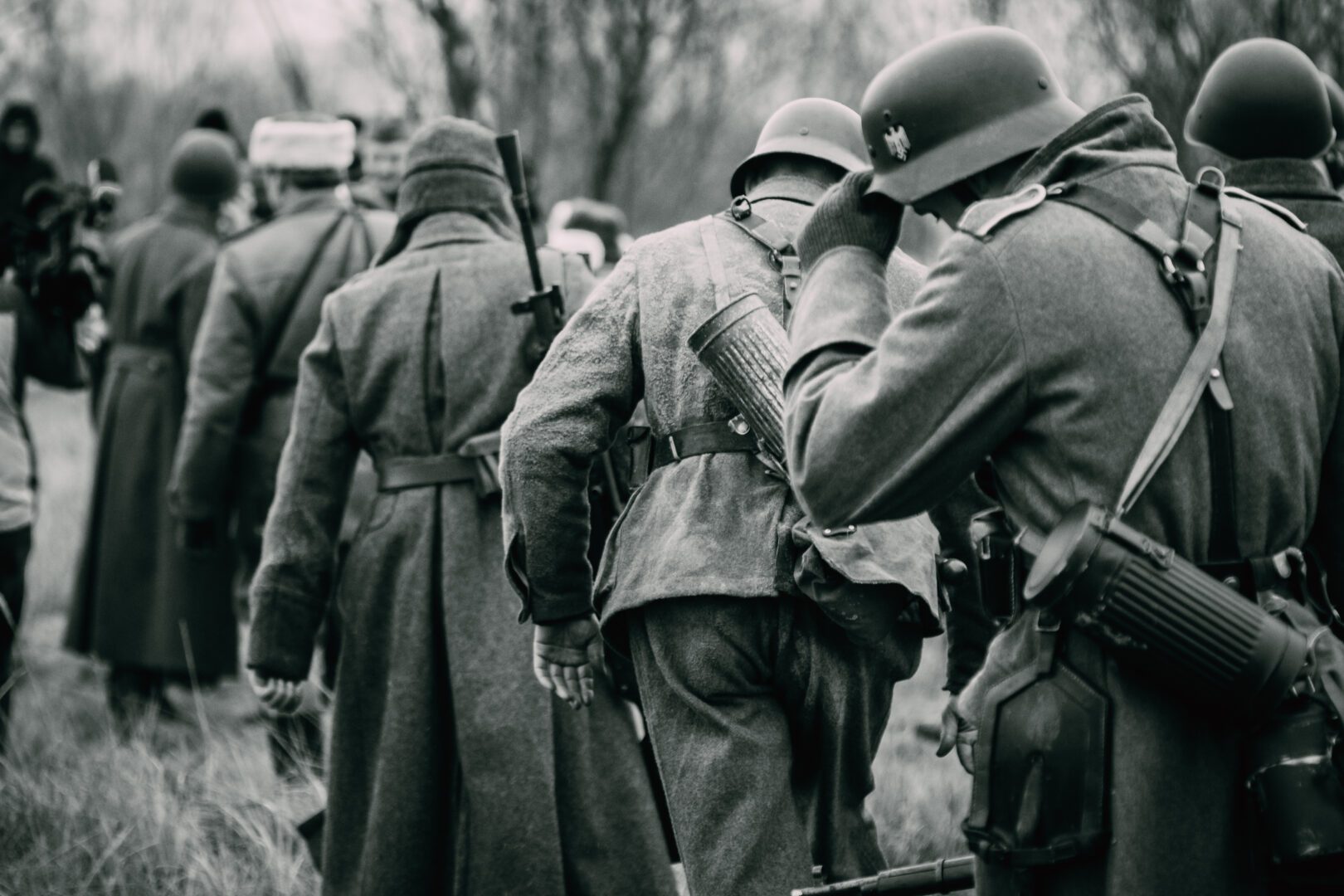
Things fell apart fast under Hitler’s command. At first, wins came – mostly thanks to skilled generals – but then he stepped in, taking tight control and messing up one move after another. Hitler’s move into the Soviet Union in June 1941 – called Operation Barbarossa – became his worst strategic mistake. Ignoring warnings from top generals, he started fighting on two sides even though Britain was still active. The scale of Soviet industry caught him off guard. So did how fast they rebuilt their armies. Huge distances across Russia slowed everything down.
Key military failures included:
- Stuck without a way out, forces found themselves surrounded because falling back was forbidden.
- Whole units vanished after commanders blocked any move to disengage. When withdrawal became impossible, collapse followed fast.
- Trapped by rigid orders, soldiers faced annihilation instead of escape. That winter of 1942 into 1943 hit hard. Entirely cut off, the 6th Army vanished near Stalingrad. Trapped by cold, hunger, and relentless pressure.
- Not a single division made it out whole. Survival became impossible long before surrender. Defeat settled in like frost on steel.
- Germany declaring war on the United States in December 1941 led to American industrial mobilization.
- Shifting supplies toward killing centers instead of factories building weapons.
- Ignoring intelligence about Allied invasion plans.
When Hitler kept meddling in war plans, commanders started finding ways to ignore what he said. Come 1944, top army figures tried to kill him, seeing that he was now the biggest danger to Germany.
The Economic Reality Check
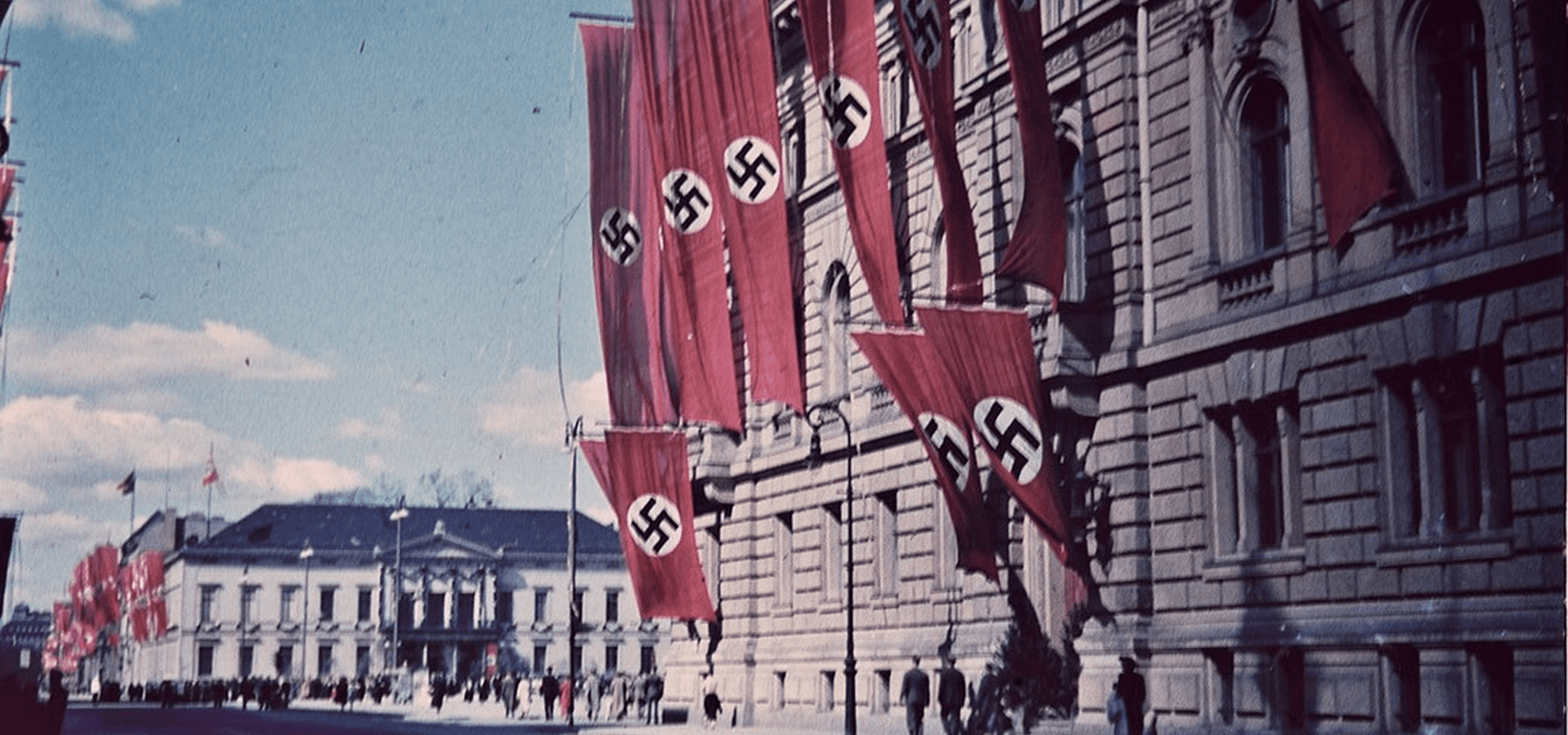
What looked like a turnaround under Hitler rested on shaky ground. Job numbers fell during the 1930s, true – yet that drop arrived by pouring money into weapons and big construction efforts. This whole setup needed war gains later to keep running. Without seizing new territory, the system would have collapsed.
As the war dragged on, what it really cost started showing up. Running on stolen goods from places they took over kept Germany going. Slave workers, taken from camps and lands under control, were key to making things by 1944. Factories fell apart because of steady bombings from Allied forces. Transport systems broke down after endless sky attacks. Less food showed up each year, cuts piling up meal after meal.
Come May 1945, nothing remained standing across much of Germany. Dresden, Hamburg, and Berlin – once thriving cities – now sat buried under broken stone and dust. Factories fell silent, trains stopped running, and shops vanished – one by one, systems collapsed. A full quarter of German land before the war disappeared forever after treaties took effect. Instead of unity, separation defined what came next, lasting nearly five decades without pause. All of it traces back to decisions made by one man whose rule ended in ashes.
Historical Verdict: Complete Failure
Historians Disagree With Hitler
History books do not hold back when it comes to judging Hitler’s rule. Though experts may argue over details of that era, one thing stands clear – his legacy brought ruin. From every angle, whether left or right, the conclusion never changes. The weight of evidence leaves no room for doubt.
What drives the discussion among scholars is process, not result. Some say he had a clear plan for mass murder right from power’s start – this view comes from intentionalist thinkers. Others claim the killing grew step by step, pushed forward by mid-ranking bureaucrats testing limits and escalating actions over time – that’s the functionalist take. Yet despite these differences, everyone involved sees Nazi governance as undeniably devastating. It’s about sequence and origin that they dispute; nobody questions the horror itself.
Hitler’s image cracks under scrutiny. Not principles but chances guided his rise, says Bullock. What looked like charm was stagecraft, Kershaw reveals. Behind the spectacle, Evans uncovers a regime broken at birth – chaotic, cruel, collapsing inward.
Most historians agree undoubtedly. In ways that shattered a country, he shows what happens when strongman rule takes hold through popular appeal.
The Legacy of Destruction
Broken borders stayed that way long after bombs stopped falling. Decades passed before families saw each other again across a split nation. Whole villages vanished when people were forced westward with only what they could carry. Guilt settled deep into daily life, never asked for, always present. History cannot be untied from choices made under one man’s rule. Once central to Germany’s military pride, Prussia vanished from maps and records. Under close watch by occupying forces, German society faced deep changes meant to erase old ideologies.
Oddly enough, losing the war saved Germany. Because it fell under foreign control, rebuilding as a true democracy became possible. In 1949 came a new state: the Federal Republic of Germany – built on refusing old hatreds. Facing what happened head-on, today’s Germany teaches its story bluntly, transforming ruin into lessons for citizens.
Out of that dark chapter came new rules for nations, reshaping how justice is handled when entire groups face annihilation. A homeland rose from the ashes, built because millions were erased across Europe.
Lessons From Today’s Democracy
History shows how easily trust can crumble when money vanishes. Hard times open doors for loud voices claiming to fix everything fast. People start ignoring warnings once leaders frame blame on convenient targets. Power grows quietly at first, then moves faster than anyone expects. Broken systems rarely recover without constant care. False promises sound better each day when real answers feel unreachable.
Several warning signs deserve attention:
Economic instability creates fertile ground for extremism. Those in power thinking they can steer populist waves sometimes pave the way for tyranny. A false grip on public anger opens doors it cannot close. Control imagined today may vanish tomorrow under pressure from the streets. Power once outsourced to outrage rarely returns gently.
Quiet miscalculations here breed loud consequences later. Trust in managing unrest often dissolves into dependence on chaos. Leaders riding the storm usually get crushed by its weight.
Propaganda and cult of personality can manufacture support for destructive leaders. When tensions rise, targeting small groups can spiral into mass violence. A shift in power often creeps forward—silent and slow at first. After a while, it arrives like thunder after stillness. What once held balance begins to tilt unexpectedly.
Conclusion
Back then, Germany seemed too civilized for what came next. A society full of learning, art, and progress still fell apart. Strong rules alone are not enough when people stop defending them. Knowing how things unraveled before makes it easier to spot trouble now. Believing disaster could never strike your own country often comes right before it does.
Hell began when one man took charge of a nation. Not progress, but plunder funded early wins. Collapse followed fast – borders erased, pride shattered. What looked like recovery was really just debt dressed up as growth. War fed the economy until war destroyed it. No victory came close to matching the shame that stayed behind.
What matters most isn’t just that Hitler led so badly; instead, it’s how his rule took hold in a nation once seen as modern and free. Figuring out the steps that lifted him into power still holds weight when defending self-rule now. Historians agree without exception: he embodies what happens when leadership collapses completely, reminding us forever of dangers found in strongman control and extreme nationalism when societies let go of shared rights amid fear.