
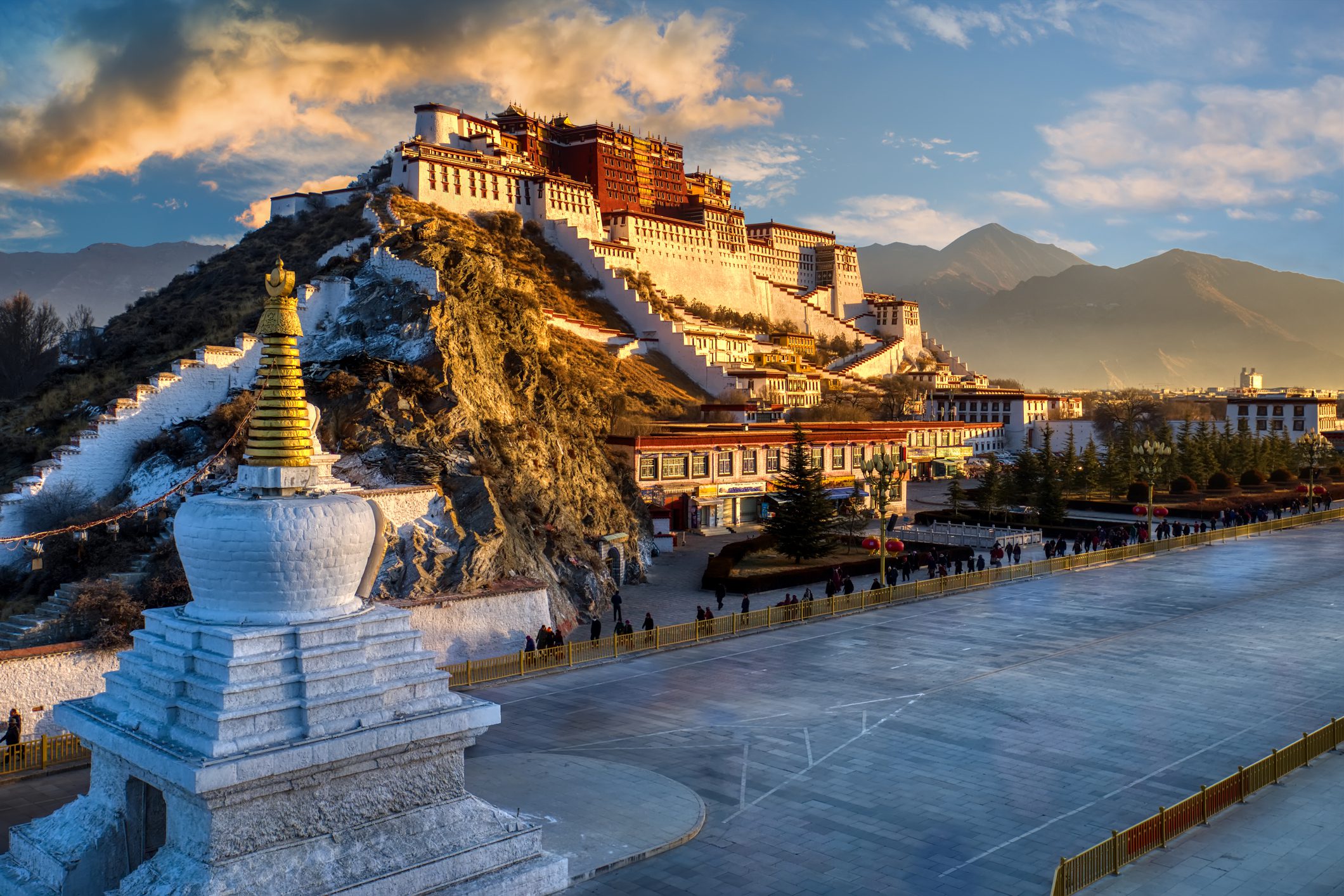
Tibet Before the Storm
From 1912 until 1950, Tibet lived as an independent country in practice, though few nations acknowledged it. When the Qing Dynasty fell apart in 1912, an announcement of freedom by the 13th Dalai Lama, who then built a working administration. Money with Tibetan markings flowed through markets, mail moved between towns under local post systems, while a modest military stood ready. Power rested where faith met rule, shaping governance unlike any other place nearby.
Still, being cut off started to work against Tibet. Modern changes were turned down, since traditional leaders refused updates to the army – changes that could have made protection stronger. Not many nations kept official connections with Lhasa, so when dangers appeared, support was missing.
China’s Interest in Tibet
High up on the Tibetan Plateau, Tibet mattered greatly to China. Its vast area, similar to that of Western Europe, created space between India and Chinese lands while holding sources of big rivers across Asia. When the new government was formed in 1949, gaining control there helped fix boundaries, tap into raw materials, and fulfill an older idea about bringing former regions back under rule.
October 1950 In The Invasion Begins
That October morning in 1950, as eyes turned toward Korea, columns of soldiers moved through Tibetan passes – forty thousand strong. Not by accident did Beijing set its clocks to strike on two distant fronts at once. Managing far-flung battles seemed less a strain, more a signal: reach stretched wide without breaking.
A War Without Balance
Outnumbered eight thousand strong, their forces carried old guns into a fight they could not win. Modern Chinese troops pressed forward, making quick gains across the region. At Chamdo, the front collapsed. Trapped and cut off, Governor Ngabo Ngawang Jigme faced impossible odds. October 19 marked the end – twelve days after it started. Surrender came with two thousand seven hundred men laying down arms.
With careful aim, Chinese troops split enemy groups apart, severed their supplies, then crushed critical points. Prisoners had weapons taken away before being let go – Beijing framed it as “liberation without war,” not conquest.
The World Looked Elsewhere
Facing isolation, they reached out – its pleas sent to the United Nations, India, Britain, then America. Help never arrived. Instead, silence. Though Nehru led India, he turned away appeals, choosing warmer ties with Communist China over arms. On November 18, 1950, the UN did speak: a resolution formed, words stacked against aggression. Yet no force stood behind them, so the statement faded. Alone, Tibet found itself left behind.The Seventeen Point Agreement Signed at Gunpoint
After losing its army, they faced talks that they could not refuse. Yet those talks never happened.
A Deal Written Before Talks Began
Spring of 1951 brought Tibetan envoys to Beijing, only to find the so-called agreement already drafted. A finalized paper sat before them, handed down by Chinese authorities – no changes allowed. These visitors lacked any mandate to approve such terms unless Lhasa gave approval first, yet reaching their leaders proved unworkable while cut off by Chinese oversight. A single decision loomed – accept the terms or see everything they knew vanish into ruin.
Promises Made Promises Broken
On May 23, 1951, a seventeen-point deal was drawn up – autonomy stayed under Tibetan control. Religious practice found protection written into the terms. The Dalai Lama still held his position, unchanged by outside forces. Cultural traditions were meant to continue without interference.
Right away those promises disappeared. Right there in the opening line it said they would rejoin the People’s Republic of China – called here the motherland. For Beijing, nothing else carried weight. All remaining points could shift or vanish without consequence.
From the start, people doubted whether the deal was real. Fake seals had been used, those who negotiated lacked proper authority, yet concerns under international law about forced agreements lingered. Even so, on October 24, 1951, the young Dalai Lama – just fifteen – approved it while confronted by foreign soldiers. Not long after, Chinese forces arrived in Lhasa.
The 1950s Quiet Defiance Spreads Behind Closed Doors
What China put into practice showed how hollow the promises of self-rule really were. One Tibet exists under tight oversight. Another lives in memory and resistance.
Tale of Two Occupations
At first, China moved carefully in central Tibet. Lhasa stayed quiet, the old ways still visible for now. Yet out east – in Kham and Amdo – things turned harsh fast. Fields seized without warning, temples stormed by troops. Monks dragged before crowds, made to kneel under shouts.
Come 1956, fighting broke out across the eastern region. Famous for fierce combat skills, Khampa fighters banded together into small mobile units. A group called Chushi Gangdrug – named after four rivers and six mountain ranges – became the core of rebel strength. Hidden aid arrived from the CIA: guns, supplies, instruction. U.S. involvement was driven by global rivalry, not loyalty or shared cause. Still, the Khampas accepted every bit they were offered.
Fleeing turmoil in eastern region, people poured into Lhasa carrying grim tales of ruin and suffering. With each account, certainty grew that the changes tearing through the east would one day arrive here too. The city waited, knowing it could not stay untouched forever.
March 1959 Tibetan Uprising
A quiet request set off the storm that remade Tibet. One small word opened a door too wide.
The Invitation That Caused Concern
That March in 1959, officers from China’s army asked the Dalai Lama to attend a play at their base. Yet something felt wrong – attend solo, leave guards behind, say nothing to anyone.
Fires of rumor lit up Lhasa fast. Fear of being taken or killed ran deep among Tibetans. Come March tenth, nineteen fifty-nine, about thirty thousand stood around the Norbulingka summer palace, bodies pressed close to protect their leader.
Each day brought more faces, swelling the mass. Women took their turn too, gathering by the thousands under Pamo Kusang and Gurteng Kunsang in a protest that carved its name into time. Come March fourteenth, a group of Tibetan figures pulled together a sudden council. Not only did they toss out the Seventeen Point Deal as if it never mattered, but also called it void on the spot. Defiance showed its face plainly then. Once that line was crossed, conflict followed without question.
Three Days of Hell
March 17 brought artillery strikes close to Norbilingka. Three days later, China’s army shifted into high gear. Shells smashed into groups of people, armored vehicles moved block by block, soldiers rushed inside structures. The Jokhang Temple, held holy, was hit too.
Fight broke out and dragged on for seventy two hours straight. How many died is still argued about today – official figures from China say eighty seven thousand just around Lhasa, while different counts speak of only several thousand. No matter what the real count shows, bloodshed covered wide ground, sharp, unrelenting. The streets held screams longer than silence.
Escape Over the High Mountains
Fleeing smoke curled above the rooftops when the Dalai Lama weighed choices shaping Tibet’s path ahead. The city crackled behind him while his next move took form. Not every moment bends time – this one did. A silent pause held more than words ever could. Then, movement began where stillness ruled before.
Running Through the Night
Night covered the young Dalai Lama as he left his palace on March 17, 1959. Posing as an ordinary soldier, the 23-year-old acted on guidance from the State Oracle. That warning pointed toward leaving fast. With him went a group – family, ministers, guards – not just one type but many. Their trail led deep into the Himalayas. For fourteen days they moved after sunset, shadows among rocks. Chinese patrols meant danger, so daylight brought stillness. Each step away increased distance from capture.
Through high mountain gaps they pushed, breath short in the rarefied sky. Cold gripped them each night without relief. Meals stretched thin over days kept hunger close. Danger of being found never lifted. By March 31, their path led across the border into India at Tawang.
Later that day in Tezpur, the Dalai Lama stood before reporters. Because of pressure he faced, he said, the Seventeenth Point Agreement meant nothing. Though India’s leader offered shelter, the moment belonged to Tibet’s voice. He had signed it unwillingly, so now he rejected it outright.
A New Home in Dharamsala
A small mountain town in India opened its doors when help was needed. By 1960, the Dalai Lama had set up a new center of governance there – what would become known as the Central Tibetan Administration. Month after month, then year after year, around eighty thousand Tibetans made their way over high passes, walking the same dangerous path toward safety.
China tightens control after unrest’
Away went the Dalai Lama. Resistance crumbled soon after. Pretending Tibet had any self-rule ended completely. China took full control without delay.
Remaking Tibet
March 28, 1959 came right after the Dalai Lama fled. That week, Premier Zhou Enlai shut down Tibet’s government. By September of 1965, Beijing set up what it called the Tibet Autonomous Region. Yet “autonomous” meant little when Han officials held every real power.
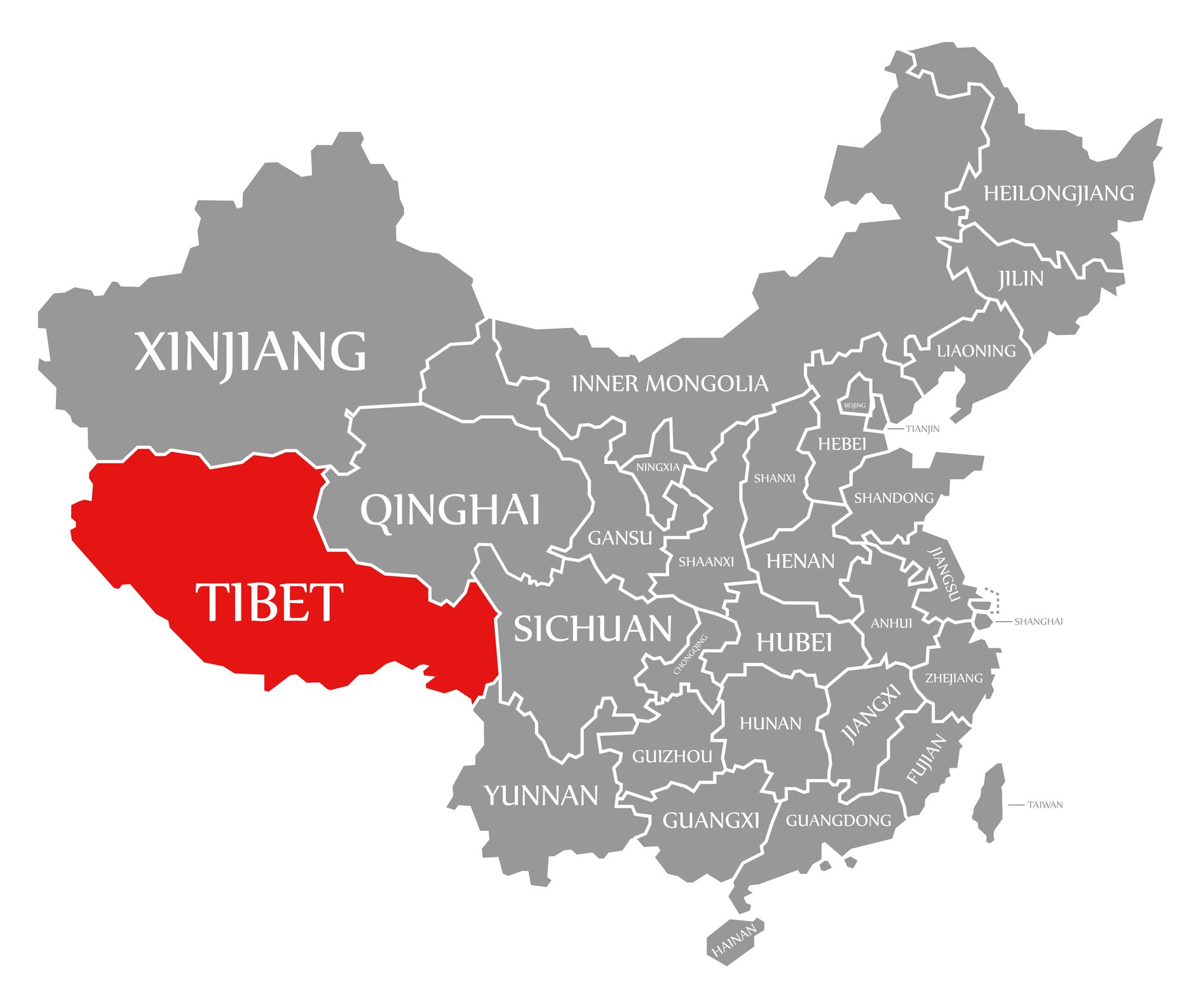
Half the ethnic Tibetan people live outside the TAR. Because eastern Kham got split into Sichuan, Gansu, and Yunnan. While Amdo turned into what is now Qinghai Province. So historical Tibet ended up broken apart. With the current administrative region covering just a portion of that land.
Cultural Revolution Unfolds Through Widespread Disruption
When the Cultural Revolution started in 1966, things fell apart fast. Before that time, around 6,200 monasteries stood across the land – by the end, just eleven remained standing. Red Guards moved through them like storms, smashing what was old, setting holy books on fire, turning statues into raw metal. Holding even a picture of the Dalai Lama might mean vanishing into jail overnight.
Facing harsh struggle sessions, monks and nuns suffered beatings under public scorn. Some ended up in labor camps far from home. Forced into marriage, others broke solemn promises they once held beyond measure.
Famines took around 340,000 Tibetan lives from 1960 to 1962. Starting in 1950, nearly two decades of hardship followed – by the time it ended in the late 1970s, a government operating outside Tibet said 1.2 million had perished due to harsh treatment, hunger, jailings, and brutal work demands.
Global Reactions Empty Promises
Back then, in 1960, legal experts worldwide labeled China’s moves as outright destruction. Before that takeover, Tibet already had every mark of being its own nation – this fact was clear. A global body stepped up three times: ‘59, ’61, ’65. Each time, they urged respect for people’s lives and their right to choose their path. Yet nothing backed those words with real force.
Into the 1970s, quiet backing quietly disappeared. When Nixon stepped into Beijing in 1972, it showed where America now leaned. Strategy weighed heavier than ethics. Concerns for freedom got set aside.
Tibet Today Surveillance Resistance Uncertainty
Frozen in time since the takeover, Tibet still lives beneath China’s strict grip – yet defiance lingers. Resistance hums quietly through decades of silence.
Living in Occupied Times
Life in today’s Tibet moves under constant watch. From military posts to digital controls, presence is felt at every turn. Cameras line the streets while patrols check movement regularly. Online access comes with limits that shape how people connect. Places of worship function within tight rules set by officials. Religious communities see their size capped by official counts. Spiritual practice includes lessons on loyalty to the state.
Younger kids now hear more Mandarin than Tibetan in classrooms, slowly pushing aside their ancestral tongue. The Qinghai-Tibet Railway, finished in 2006, stands as a feat of modern construction, yet its rewards favor newcomers from elsewhere in China. Though roads and trains have reshaped the region, local families often find themselves on the edges of progress. Opportunities arrive, but they tend to land in hands far removed from native communities.
Desperate Acts of Protest
Over a hundred thirty eight Tibetans – monks, nuns, and ordinary people – have set themselves on fire since 2009, often crying out for liberty or calling for the Dalai Lama to come back. That wave of desperate acts followed earlier unrest: in 2008, demonstrations swept Tibetan areas just as China welcomed the world during the Beijing Olympics, forming the biggest revolt since the late nineteen fifties.
Changing Views on Being Banished
That year, politics shifted when the Dalai Lama stepped down, thinking Tibet needed more than a single figurehead. Power moved to an elected Sikyong, handling day-to-day governance abroad. Yet his presence lingers beyond policy – still guiding hearts as a spiritual anchor.
Now things changed. Instead of pushing for full breakaway, leaders turned toward a compromise – called the “Middle Way Approach,” asking for real self-rule while staying inside China’s system. Beijing called it independence in disguise, refused flat. Meetings during the 1980s and again later in the 2000s? Nothing came out. After 2010, even quiet talks stopped dead.
The Succession Crisis
Now in his late eighties, the Dalai Lama’s future replacement raises urgent concerns. Perhaps there won’t be another one – he has said so himself – or maybe the next will appear beyond Tibet, possibly female. Since past customs give China a say, officials claim authority to approve any choice, which opens the door to conflict: two figures stepping forward, each backed by different loyalties, one named in Beijing, the other followed among exiles.
Out here, it isn’t just about faith. Who leads next ties into power – deeply, quietly. For many, he stands not only as spiritual presence but also as anchor through shifting eyes worldwide. Power shifts where lineage is claimed, contested, shaped. Behind closed doors, the choice of who follows carries weight far beyond ceremony.
An Unfinished Story
Still unsettled decades later, Tibet’s takeover stands as a defining conflict since World War II. Starting in 1950, it has evolved into a layered clash involving control, freedom, identity, alongside global influence.
One story says one thing. Another says something else entirely. China insists Tibet belonged to it long before modern times, calling the events of 1950–51 a calm release from outdated systems. According to Beijing, progress in roads, schools, and jobs shows life improved under its control.
To Tibetans, things look another way entirely. The year 1950 marks not liberation but invasion – a takeover ending centuries of self-rule. Instead of progress, they recall erasure: temples emptied, traditions silenced, voices ignored. Growth on paper means little when jobs go elsewhere, schools erase language, and outsiders settle in. For them, the story isn’t about rising numbers. It’s about lost ground.
Still split, the world struggles to act together. Even when countries say they care, most put trade with China ahead of Tibet. So long as the Dalai Lama is alive, eyes around the globe stay fixed on Tibet. After he is gone, whoever follows must find a way to keep that spotlight burning.
Nowhere is change more quietly felt than in Tibet, where young lives unfold inside a system shaped by Beijing. School days follow Mandarin lessons, screens flash with state-approved stories, routines blend into a landscape slowly reshaped. Still, defiance finds its voice – through street demonstrations, through tragic acts that scream without sound. Hope doesn’t vanish, even when trapped between strict oversight and deep-rooted longing. What comes next stays unwritten, hanging in the thin mountain air.
Far from just a story of the past, it continues today – shaping how people live and what they can hope for in a land caught in long conflict.

1 thought on “Tibet 1949: A Nation Without Recognition”
cooooooooooolllllllllll