Why Dunkirk Trapped Allied Troops
Late May 1940 saw Dunkirk turn into the last way out for Allied troops stuck in northern France. This wasn’t due to careful retreat planning – instead, it came from a rapid breakdown in strategy. What followed was Operation Dynamo, an evacuation begun when escaping on such a scale should have been unthinkable during modern combat. Far from winning a fight, Dunkirk aimed only at preventing complete annihilation.
The German Blitzkrieg That Broke Through
Speed Exceeded Allied Expectations
Speed drove Germany’s plan, yet surprise shaped its success. Through the Ardennes they pushed – thick woods thought too rough for tanks. The move stunned Allied leaders, who had bet on slower fronts. Orders collapsed as radios failed under pressure. Some troops found themselves cut off before dawn broke. What worked yesterday meant nothing by midweek.
Surrounded Allied Forces
Out of nowhere, British and French soldiers pushed into Belgium, expecting a standard battle. Yet the Germans slipped past, racing fast toward the coast. Midway through May, the Allied forces were boxed in, supplies gone, and escape paths blocked. With everything else lost, Dunkirk stood alone – a quiet harbor now holding hope. The weight settled there.
Dunkirk’s Geography Made Escape Difficult
A Port Not Fit for Large-Scale Evacuation
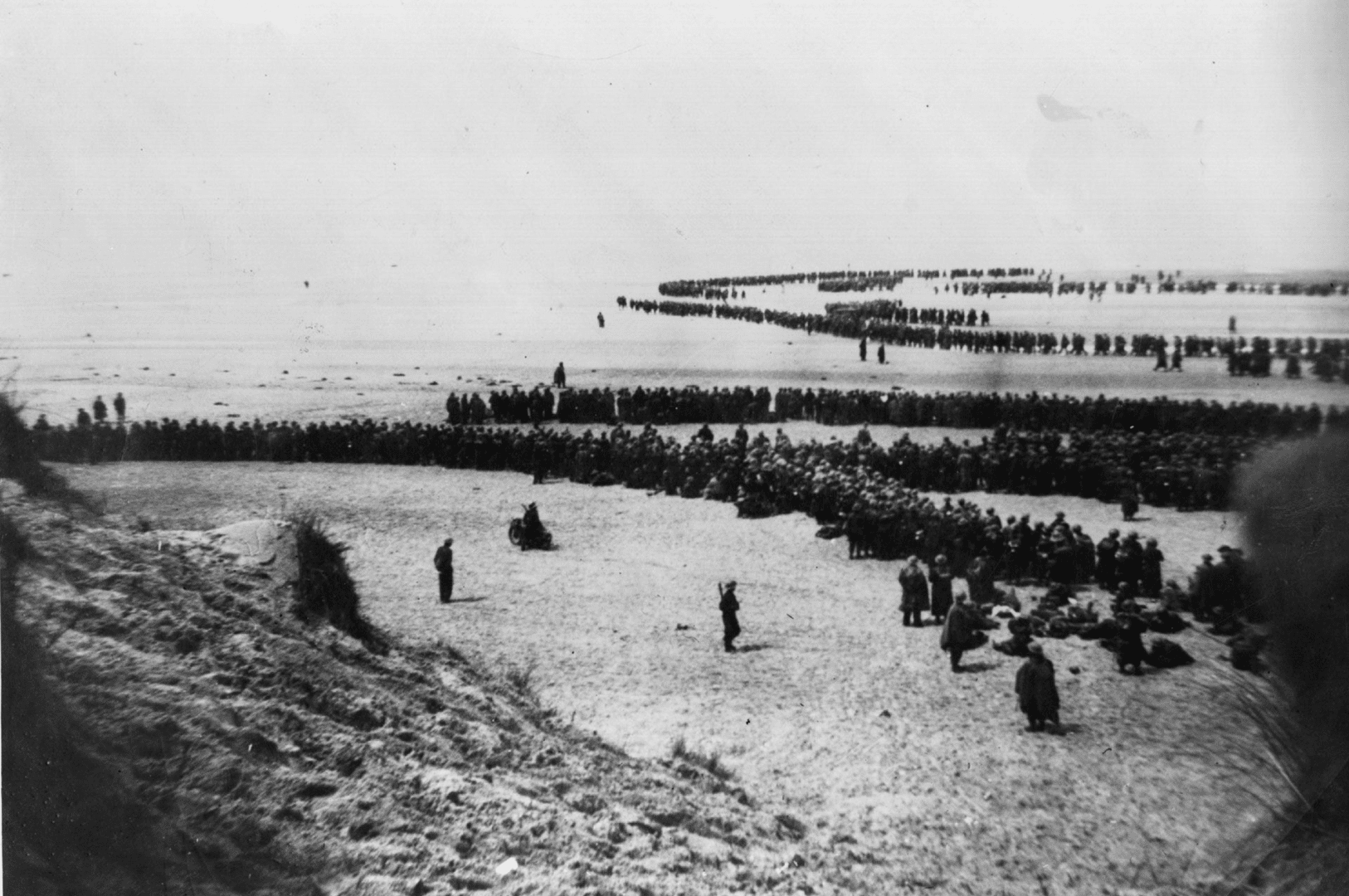
Out by the coast, Dunkirk worked as a trade port, never built for troop pullouts. Big warships couldn’t get close because the water near land stayed too thin. Air raids wrecked the loading areas, making everything harder. Men moved out in chunks, not streams, which dragged down timing when every minute counted.
Open Beaches and Constant Exposure
Flooded streets made escape harder at Dunkirk. Troops stood for hours on open sand, exposed with nowhere to hide. Bombs often fell from the sky, while few guns could reach back. Waiting felt endless; each minute stretched by fear and noise.
Operation Dynamo Started With Little Hope
Britain’s Narrow Early Goal
Fog clung to the coast when Operation Dynamo kicked off, nobody expecting much. Just getting out 45,000 soldiers in forty-eight hours seemed like a stretch back then. Ships had started sinking one after another by that point. Above them, German planes owned every inch of sky. Belief in holding the line? Almost gone.
Civilian Boats Alter the Balance
When navy boats could not handle the load, ordinary ones joined in. From fishing trawlers to weekend sailboats, they moved troops across the water to waiting warships. What began as makeshift crossings became central to how the rescue unfolded. The small fleet at Dunkirk made the difference when bigger plans fell short.
Luftwaffe Force and Navy Wear Down
German Air Raids Disrupt Dunkirk Evacuation
Fighters from Germany kept coming, striking vessels, docks, wherever soldiers gathered. Some warships never made it back, hit hard while trying to leave. Each time boats got people out safely, something else broke down nearby. The whole effort nearly failed more than once.
RAF Action Past the Shoreline
Flying deep into France, the Royal Air Force met enemy planes away from the coast, which meant fewer bombs fell on Dunkirk’s shores. Standing on the sand, troops often felt forgotten by their own pilots, though British fighter units suffered heavy damage overhead. By challenging German flights far out, they stopped complete control of the skies, quietly shielding thousands below.
Hitler’s Pause Command: A Brief Window
German Tanks Halted Their Advance
Outside Dunkirk, on May 24, German tanks got orders to stop moving forward. The reason behind that choice still brings up questions today. Tank weaknesses worried commanders. They also believed aircraft could handle the job just fine. Saving equipment for later battles mattered too. Whatever the cause, the delay changed everything.
Time Gained, Lives Saved
A pause gave time for Allied lines to hold firm plans for escape routes to take shape, one boat after another joining from both navy and shore. Had those moments slipped away, the whole effort might never have gotten off the ground.
The Human Reality at Dunkirk’s Shores
Waiting Under Fire
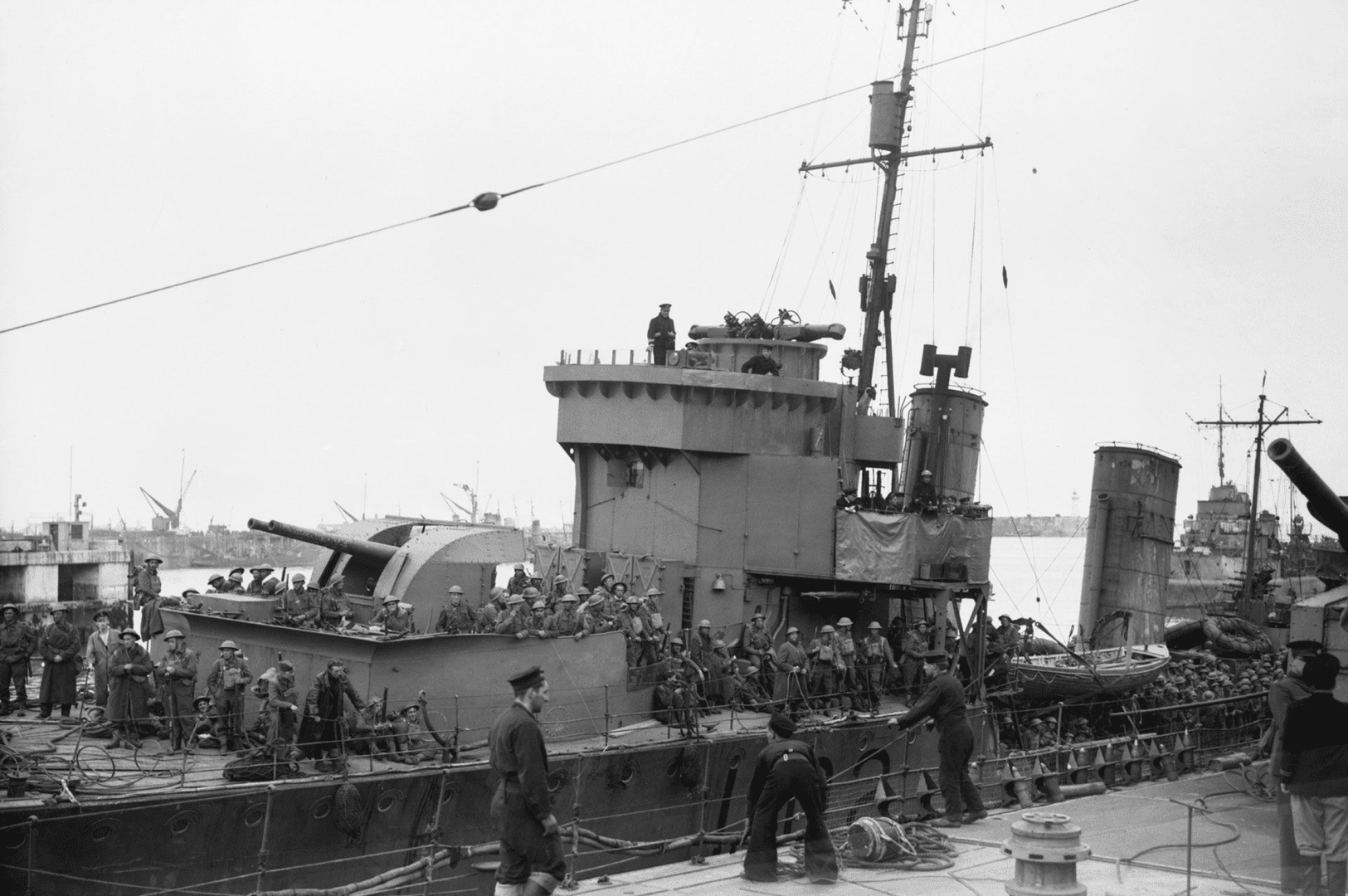
Frozen by blasts that never seemed to stop, troops kept going. Even when fear scraped every nerve raw, order stayed intact. Tired beyond words, they moved without chaos taking over. Thirst clung tight, yet lines did not break. Uncertainty stretched days into something unrecognizable – still, the process crawled forward. Discipline acted like a thread holding torn fabric together. Panic waited at the edges but never won.
French Rearguard Sacrifice
Out in front of Dunkirk, French soldiers held their ground against incoming German units. While ships carried people away from the coast, these troops stayed behind, facing heavy fire. Some fell where they stood. Others ended up taken prisoner. Every minute they lasted gave more evacuees a chance to leave. The result hinged on what those fighters endured – though few talk about it much now.
The Result Nobody Saw Coming
Evacuation Totals Shifting War Outcomes
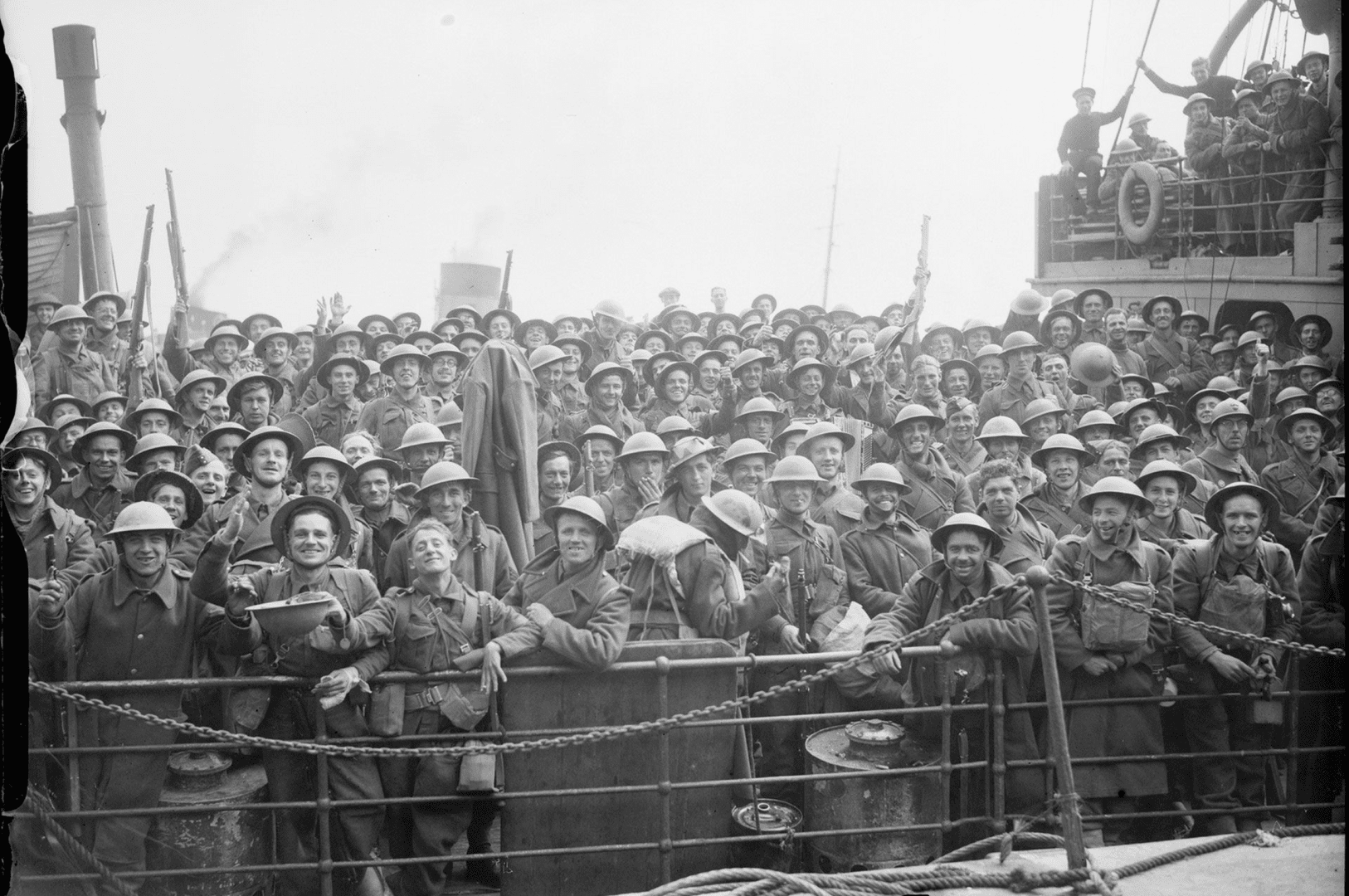
Over three hundred thirty-eight thousand troops reached safety by June fourth, nineteen forty – nearly two hundred thousand from Britain, the rest mostly French. Many ships did not make it back, lost to attacks or broken by impact. Still, so many lives saved surprised even those who hoped the most.
How Dunkirk Changed the War
Battle lost, yes – yet the heart of Britain’s army stayed intact because of Dunkirk. Morale didn’t collapse; instead, it held firm through the weeks that followed. What made it crucial? The chance to keep fighting another day. Had those troops not escaped across the water, standing up to Hitler later might never have happened.
Escaping Dunkirk Almost Failed
The cornered army sat trapped at Dunkirk, surrounded while enemy planes ruled the sky above. With no proper docks left standing, getting men out seemed impossible under such crushing deadlines. Yet ships arrived – civilian boats among them – driven by ordinary people who just showed up when needed. A sudden halt by German forces bought just enough breathing room for rescue efforts to take hold. Lives were saved through sheer urgency, raw courage, and makeshift solutions nobody had planned. What looked like certain collapse turned into escape against every expectation. Days later, the outcome still hung in the balance, shaped by choices made quickly and fog. History often turns quietly, unexpectedly, on fragile hinges like these.