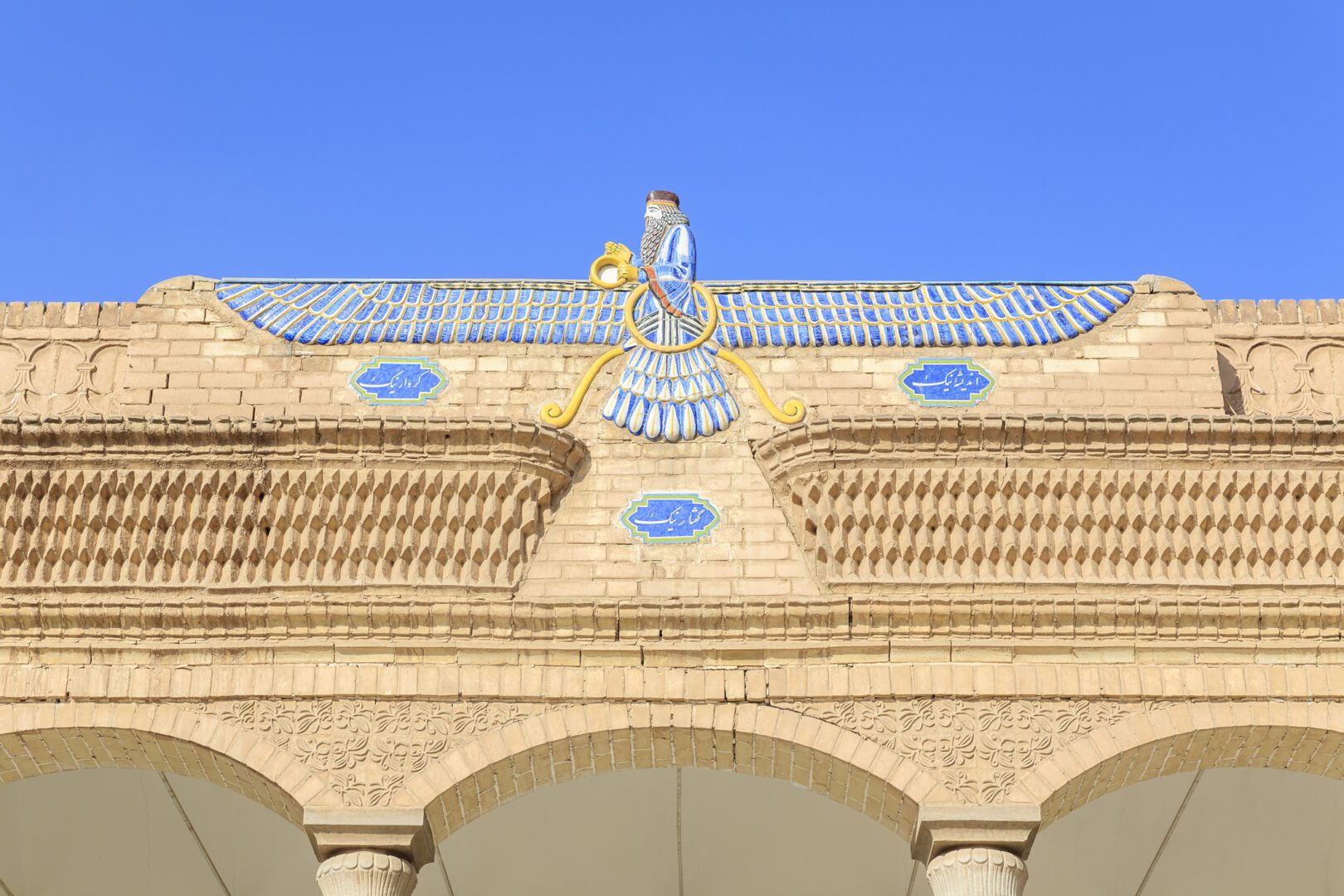
Origins of Zoroastrianism
The story likely begins in the 6th century BC, or perhaps at the beginning of the 2nd millennium BC, when, according to legend, a simple man from Azerbaijan (or possibly Turkmenistan or northern Iran) experienced a miraculous event, foretelling the birth of a child of great importance. The child’s mother was then given a similar prophecy during her pregnancy, that she would give birth to a prophet named Zoroaster. When news of his birth spread, sorcerers attempted to kill him, but divine providence protected him from their plots.
When Zoroaster grew up, the devil tried to tempt him with earthly power in exchange for abandoning his religious mission, but he refused. Some accounts say that Zoroaster was a priest of his people’s pagan religion, then he broke away from them and received prophetic revelation at the age of 30 through an angel, who took him to heaven to meet the god Ahura Mazda.
The Spread of the New Religion
The story recounts that Zoroaster began calling his people to the new religion, facing the same rejection and persecution that befalls all prophets. After ten years of arduous attempts, Zoroaster went to a regional ruler named Goshtasp to persuade him. Debates were held in the palace between Zoroaster and the priests, and when he triumphed over them, the ruler believed in his prophethood, and thus the new religion began to spread.
Sacred Texts and Beliefs
The Avesta
Zoroastrians believe that Zoroaster was a prophet inspired by the god Ahura Mazda and that his holy book is the Avesta, or Avestaq, which in the Avestan language means “strong building”.
They say that the original text was distributed across 29 books, all written in gold ink, and then most of them were destroyed when Alexander the Great conquered Persepolis, the capital of the Achaemenid Empire. Now only about a quarter of the book remains, and it is divided into 5 sections, the most important of which is the “Yasna,” which includes hymns called Gatha, which speak of the creation of the universe and rituals of worship.
Later, other texts were added to the “Fastirad” section, and the texts of interpretation and law, “Zendavista,” were written in Pahlavi at an unknown time, making it impossible to verify the original texts and distinguish them from the extraneous ones.
Cosmology and Creation
This religion states that the god Ahura Mazda was the only one existing, so he chose to create two twin spirits, Spenta Mainyu and Angra Mainyu, and gave them freedom of choice. The first chose good and was called the “Holy Spirit,” and the second chose evil and was called the “Evil Spirit,” and then the conflict between them began.
Later, from Ahura Mazda emerged six holy spiritual beings called the “Amesha Spentas” to support the Holy Spirit through the “flow” of His light. Through the flow, these beings also created other good beings called the “Ahuriyun.” Meanwhile, Angra Mainyu brought into existence superior spiritual beings called “Deva” to assist him, and thus the angels and demons were formed.
The Physical World and Human Destiny
According to the legend, Ahura Mazda created the physical world to be the arena for this conflict in 6 time periods, then he created Adam “Mashi” and Eve “Mashu,” and the conflict also began between the children of Adam and the world of demons.
According to the myth, this universe is no more than 12,000 years old, and it is divided into cycles of conflict between the gods of good and evil, and saviors (redeemers) appear in it.
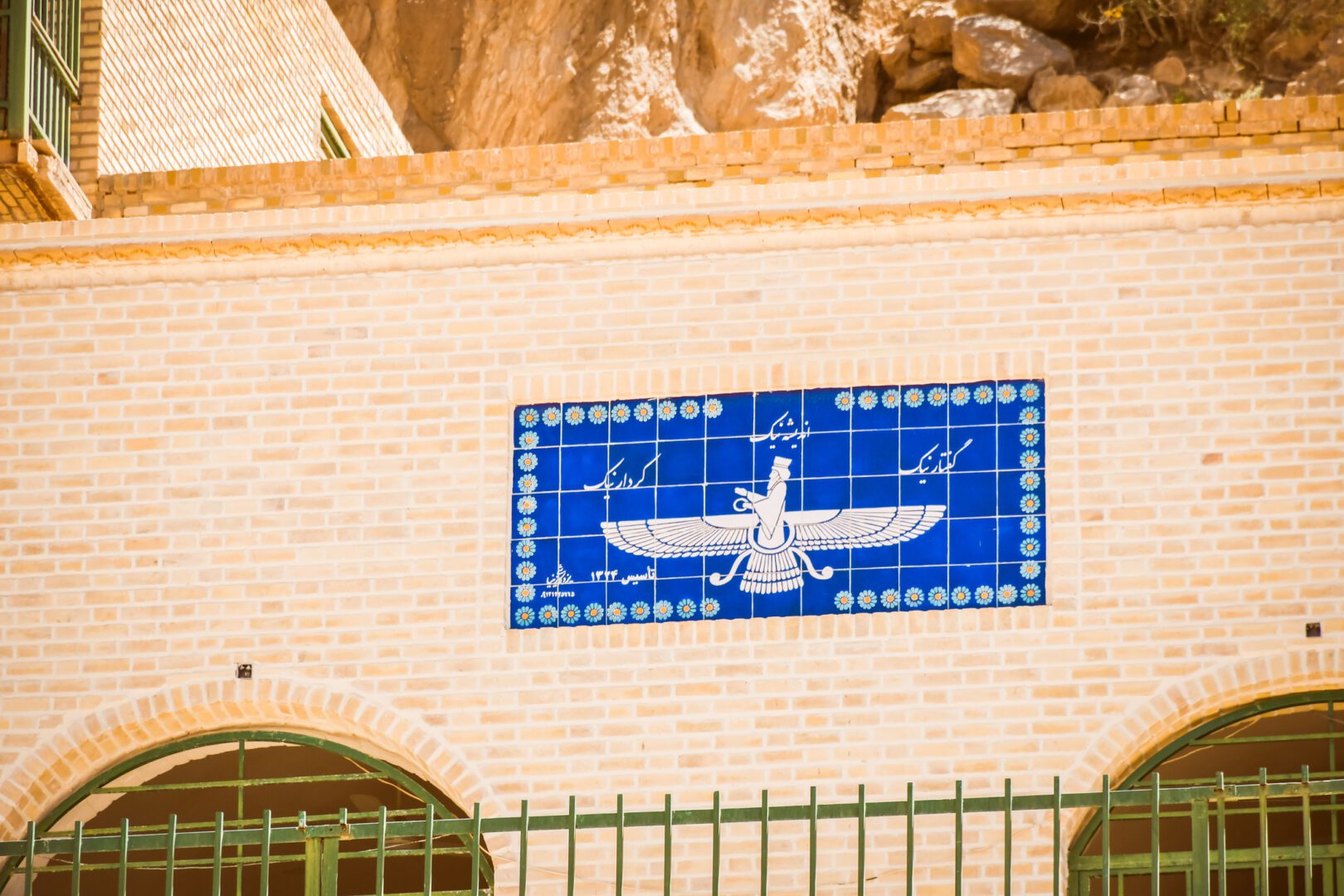
Judgment After Death
Zoroastrianism states that a person is judged three days after his death, his deeds are weighed on the scales, and he is tested by crossing the bridge of destiny, which is a bridge that widens and narrows according to the person’s deeds. If he crosses it, he enters heaven; otherwise, he falls into hell, which appears to be a cold region inhabited by savage creatures to torture sinners.
Worship Practices
In terms of worship, performing prayers five times a day, preceded by a purification process similar to ablution, which involves standing in the presence of the deity and reciting passages from the Gathas. Ancient Zoroastrianism required only the purification of the body and clothing, with prayers to be performed anywhere. Zoroaster also forbade the making of images and statues of God and angels and rejected monasticism and priesthood.
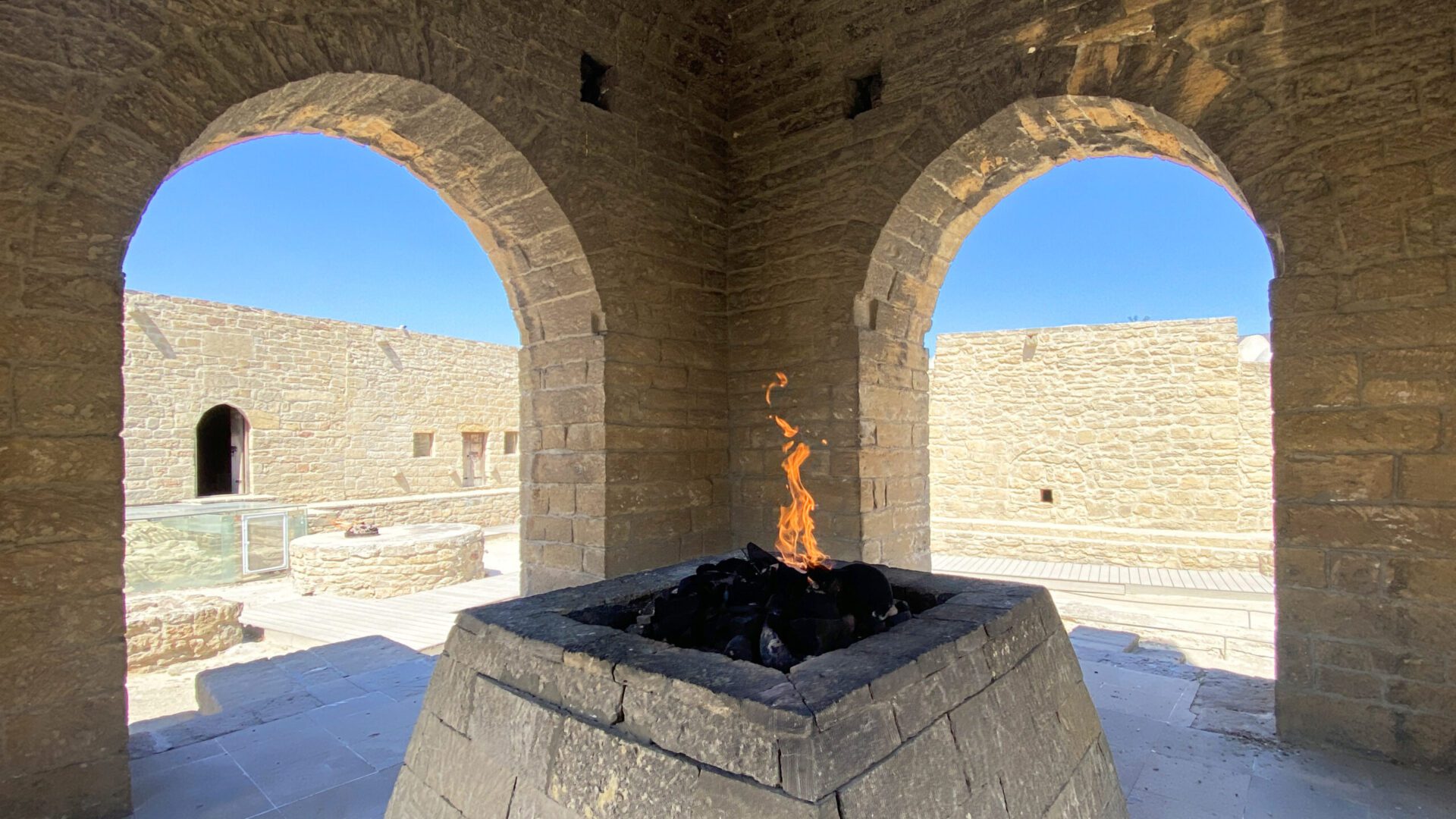
Fire and Symbolism
This religion is rumored to worship fire for its own sake, but its followers’ veneration of fire is no more than taking it as a symbol of God. In later eras, temples filled with pictures and statues were built and equipped with fireplaces for the sacred fire.
**We will discuss more about Zoroastrianism in further blogs.**