
Building New Lives: Resilience in Refugee Communities
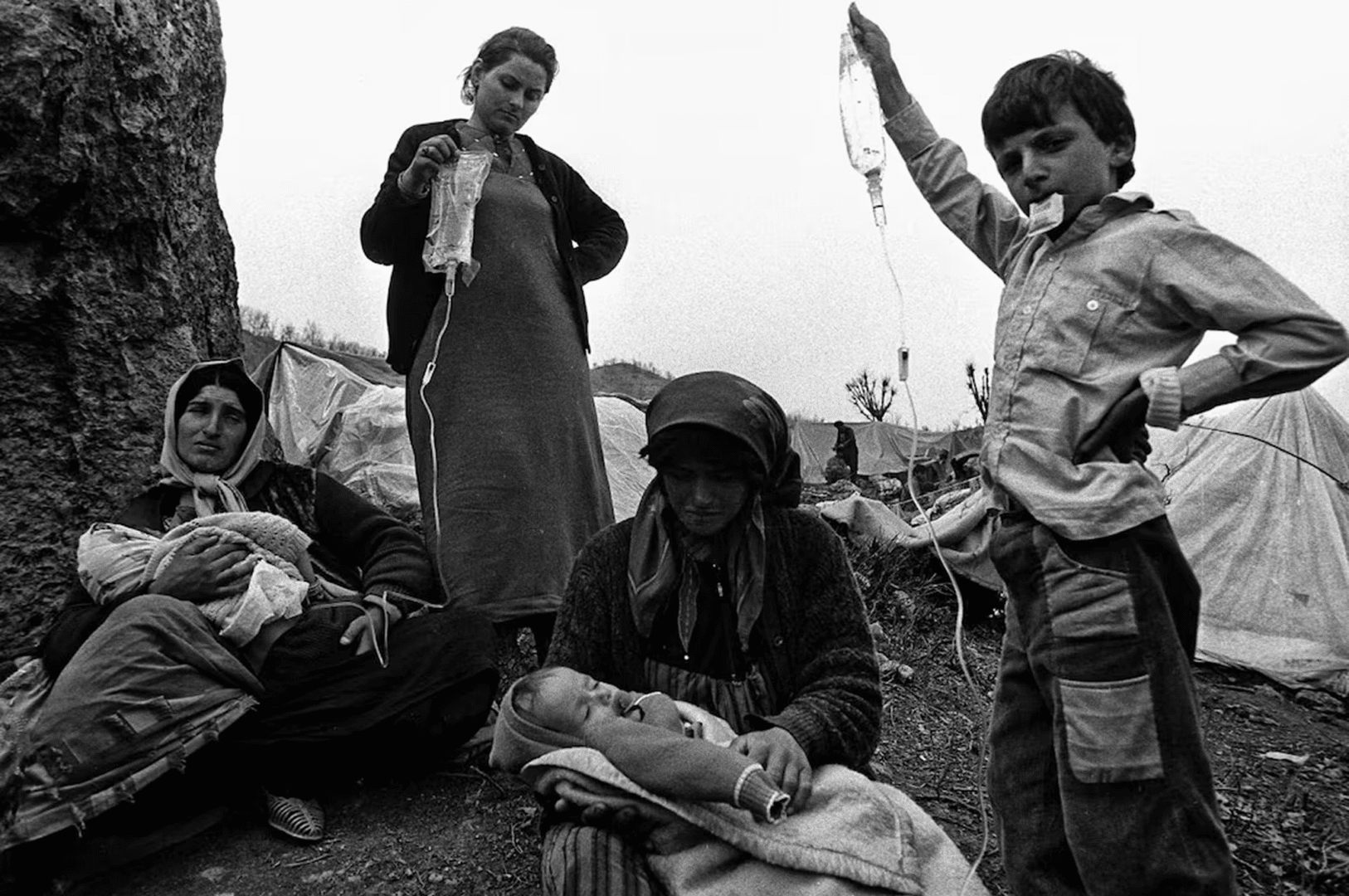
Nowadays, groups helping Kurdish refugees notice how bonding with others eases distress. What stands in the way is building support that respects Kurdish customs yet includes current psychological care.
Self-Governance and Mutual Aid
Facing tough odds, Kurdish refugees still find ways to stand strong by organizing themselves. Out in European border towns, regular Kurdish folks build their own communities – spaces run by people who set up local rules, deal with paperwork hurdles, handle traditions, manage daily life, all on their own, no government help needed. These efforts grow quietly but hold steady.
Out here, small groups step in where government falls short – offering translations, legal advice, shelter help, yet also someone to talk to. Not waiting around, Kurdish refugees build circles of care rooted in shared responsibility, tied together through trust rather than paperwork. Quiet strength runs deep when people decide to show up for one another.
1 in 4 people living in Iraqi Kurdistan is a refugee or IDP
Refugees and IDPs as a percentage of the total population
| Region | Refugees & IDPs (%) |
|---|---|
| Syria | 34% |
| Iraqi Kurdistan | 28% |
| Lebanon | 24% |
| Iraq | 13% |
| Jordan | 11% |
| Turkey | 2% |
Digital Kurdistan Identity in the Virtual Age
Out here, young Kurds born into refugee life turn screens into bridges. Not just passing time online, they stitch pieces of home through pixels and posts. A space takes shape – named Digital Kurdistan by those who live inside it. Borders matter less when stories flow freely across continents. This place grows without walls, built on shared memory more than soil. Distance fades when voices rise together from different countries.
On social media, young Kurds shape who they are in ways their parents never could. Depending on politics or what people expect, they shift how they speak, what they show, and which signs they use. Moving between cultures without losing themselves, they stay distinctly Kurdish. Their choices reveal a quiet awareness of where they stand.
Lessons on Humanity from a Kurdish Refugee
Universal Themes in Specific Narratives
What stands out in Kurdish refugee stories isn’t just hardship – it’s what people reach for amid it. A man from Afghanistan, part of the Kurdish community, shared meals inside a U.S. detention center even while going without food. Shelter spaces were left open by younger men so kids might sleep under blankets. Safety matters. So does respect. Feeling connected helps. And holding on to something better ahead makes a difference. These acts weren’t about borders or labels – they showed what runs deeper.
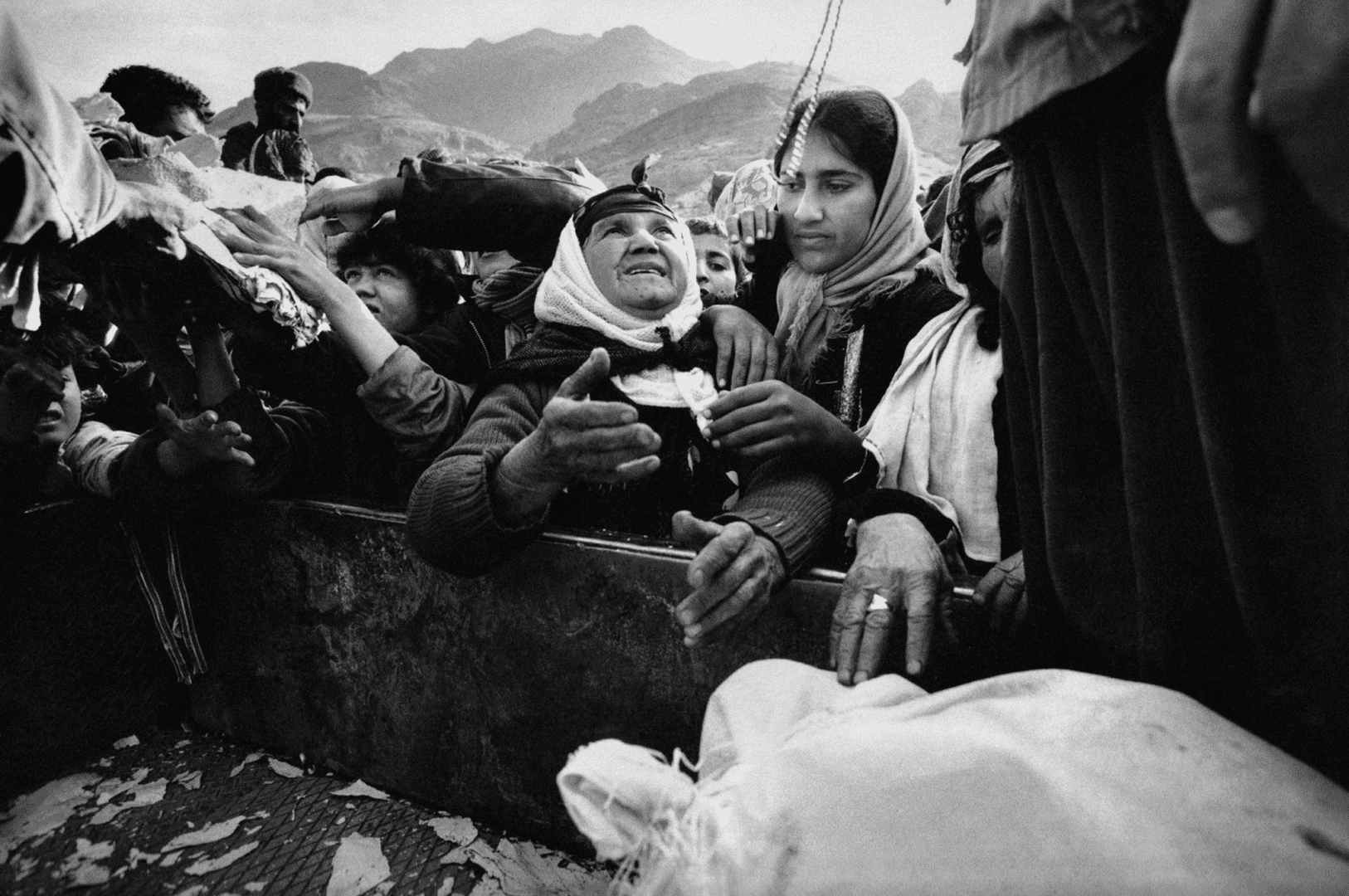
Every day, quiet kindness happens among refugee groups across the world – often unseen by people who’ve never been driven from their homes. Fighting ISIS didn’t stop Kurdish refugees from sheltering more than two million displaced souls in Iraqi Kurdistan. Still helping others despite their own hardships, they break the myth that refugees only take instead of giving.
The Duty of Seeing
When protection fades in 2026 and funding dries up worldwide, listening to Kurdish refugees means standing beside them. Each tale pulls a face from the numbers – someone who wants safety, holds memories, lives with worth.
What happens when home is taken away becomes clear through Kurdish lives torn by exile. Facing loss reshapes how people see safety, identity, and connection. Resilience shows up quietly – in stories shared across borders, in traditions kept alive far from origin. Their presence changes the places they settle, often without recognition. Justice isn’t only laws – it appears in daily acts of acceptance. Human rights mean little unless rooted in real lived experience. Belonging grows slowly, unevenly, sometimes
Taking Action: How We Can Help
What happens next depends on the choices people make. Help comes not just from feeling sorry, but from doing something real. Groups delivering food, shelter, and medical care need backing – quietly, steadily. Talking up fair treatment at borders makes a difference over time. Hearing refugees speak for themselves changes how stories are told. Resistance to hate speech grows when neighbors step forward. Homes opened in towns allow new beginnings. Pressure on leaders builds slowly, then suddenly works. Laws meant to protect displaced people only work if used.
What stands out is this: refugees aren’t issues to fix, they’re human beings who deserve respect, security, and a shot at starting over. When we listen to Kurdish families uprooted from home, their journey becomes a mirror – showing how compassion shapes who we are.
Fleeing danger touches countless lives across continents. When attention turns to groups such as Kurdish refugees, insight grows – shaping reactions that are fairer, grounded in real human experience. What emerges is a clearer view of survival under pressure.



1 thought on “The Kurdish Displacement Crisis, 26′”
Stories like this deserve more visibility. Refugees are not a burden, they are caregivers, protectors, and contributors too.