The Fall of Persian Empire 330 BC

Worldy Reads

Persian Empire

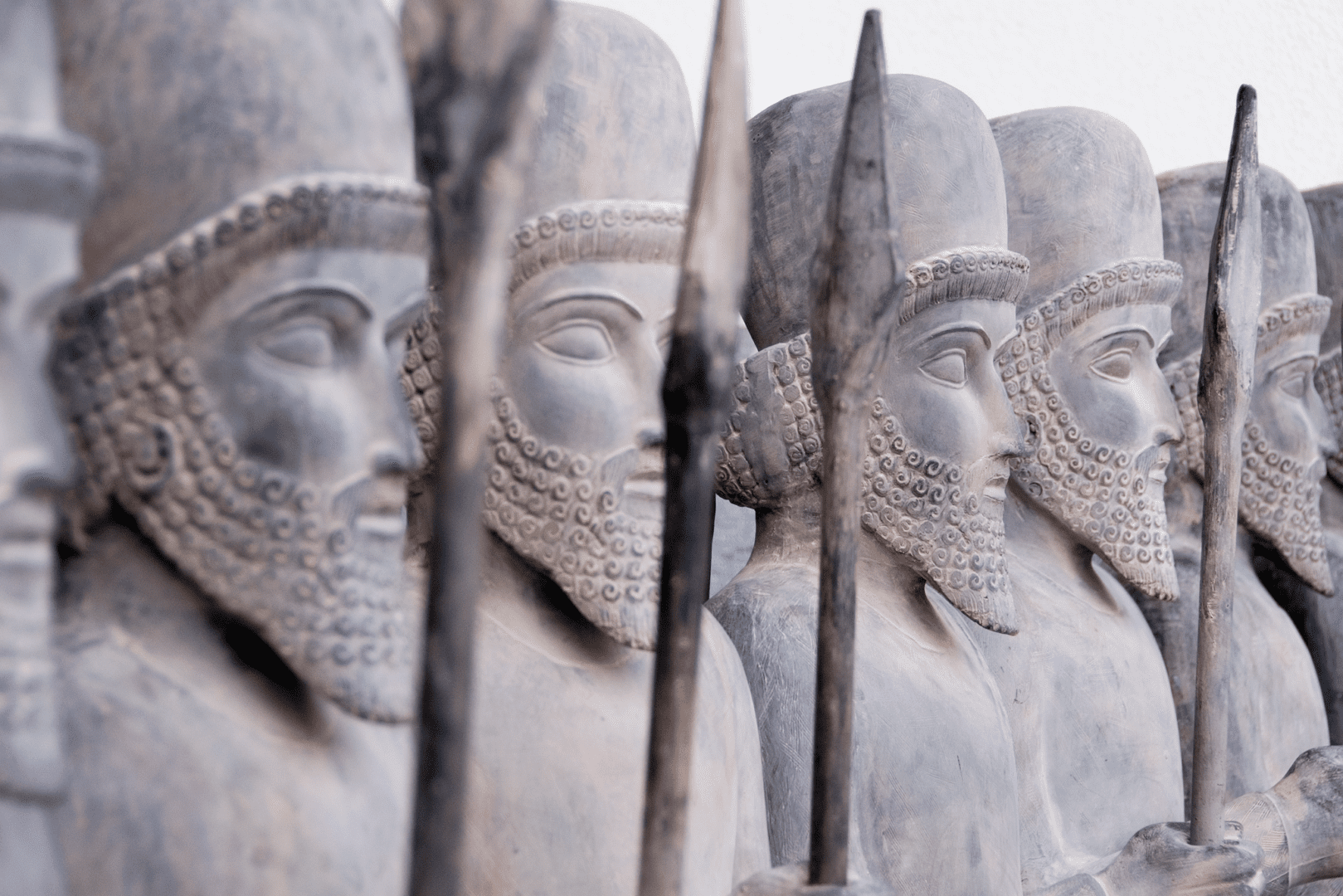
The Persian Empire is a term often referred to for the dynasties that ruled Persia at its height. The core of these empires was centred in modern-day Iran. Today, we will discuss the first Persian Empire, which is arguably the most well-known. When we think of Persia, we recall the Greco-Persian Wars that occurred 2,500 years ago.

Ancient Persia (mostly known as the Achaemenid Empire) ruled the lands of present-day Iran, and it expanded across the Levant to the Mediterranean Sea, conquering great ancient civilizations that included Babylonia and Egypt. It also ruled the civilizations of Anatolia, reached the shores of Europe, and at its maximum extent controlled Thrace and northern Greece. Persia, being one of the most powerful empires of its time, has raised questions about how this world power collapsed.

Cyrus the Great

The first Persian Empire, around 550 BC, was founded by him. Under Cyrus the Great’s regime, the Persian Empire became one of the largest empires in history, stretching from India’s Indus Valley in the east to Europe’s Balkan Peninsula in the west. This Iron Age dynasty, often termed the Achaemenid Empire, served as a global hub of culture, religion, science, art, and technology for more than 2 centuries. Cyrus the Great’s empire began with the unification of various semi-nomadic tribes on the Iranian Plateau. Cyrus, as the leader of one tribe, gradually expanded his control, beginning the rise of the first Persian Empire. The conquest of Alexander the Great led to the fall of the Persian Empire.
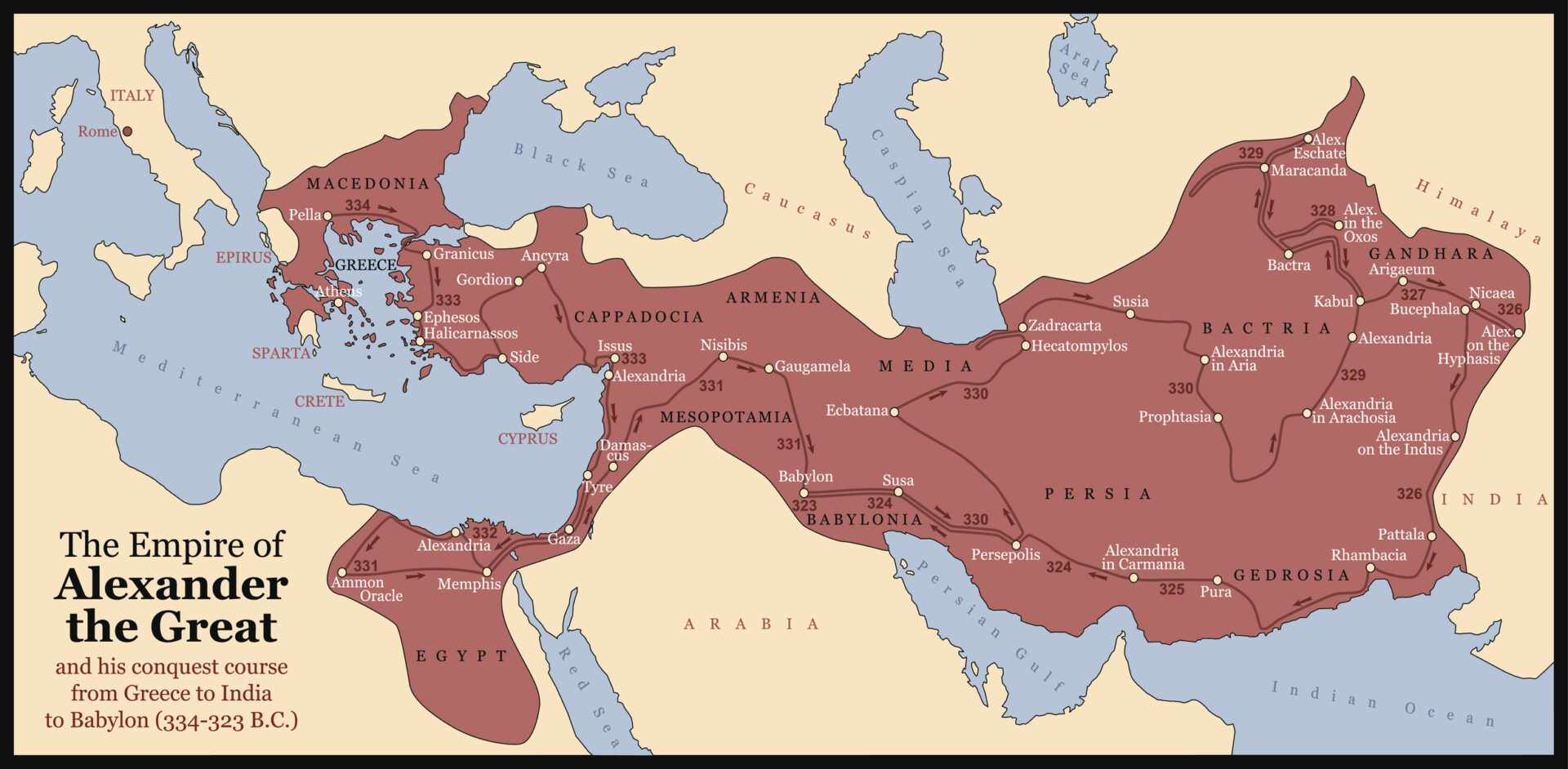
Persian Empire map 330 BC


How long did the Persian Empire Last

Cyrus the Great’s rule began by defeating nearby kingdoms and tribes, including the Medes, Lydians, and Babylonians, and uniting them under one rule. This growth marked the emergence of the world’s first superpower. Darius the Great, the fourth king of the Achaemenid Empire, later ruled over Persia during its largest territorial expansion, extending from the Caucasus and West Asia to Macedonia in the Balkans, the Black Sea, Central Asia, and as far as Libya and Egypt in Africa.

The unification empire by introducing standard currency, weights, and measures. Aramaic was the official language, even though the empire gathered many cultures. Roads and monuments were built after the death of Darius by his son.

Xerxes the King

Xerxes was the king of the Persian Empire until 465 BC. Defeats at the hands of the Greeks in war made him remembered as cruel but weak. For a question that often arose, when did the Persian Empire fall? Xerxes’ rule marked a timeline that led the Persian Empire down the stairways towards its decline. Although the empire continued for more than a century after his death, his reign can be seen as the beginning of its downfall. From this point onward, the empire weakened year by year due to internal struggles and instability, facing constant conspiracies, assassinations, and revolts. Many of these uprisings were driven by heavy taxation and social dissatisfaction.

In many historical cases, the collapse of an empire begins from within. When an empire possesses internal stability, order, and balance, its external power becomes formidable. At its greatest extent, the Persian Empire was larger than any previous empire in recorded history, covering an estimated 5.5 million square kilometers. It incorporated people of diverse origins, cultures, and faiths, which required careful and effective governance. A vast empire is powerful, but like a giant, it can collapse under its own weight if not properly sustained.
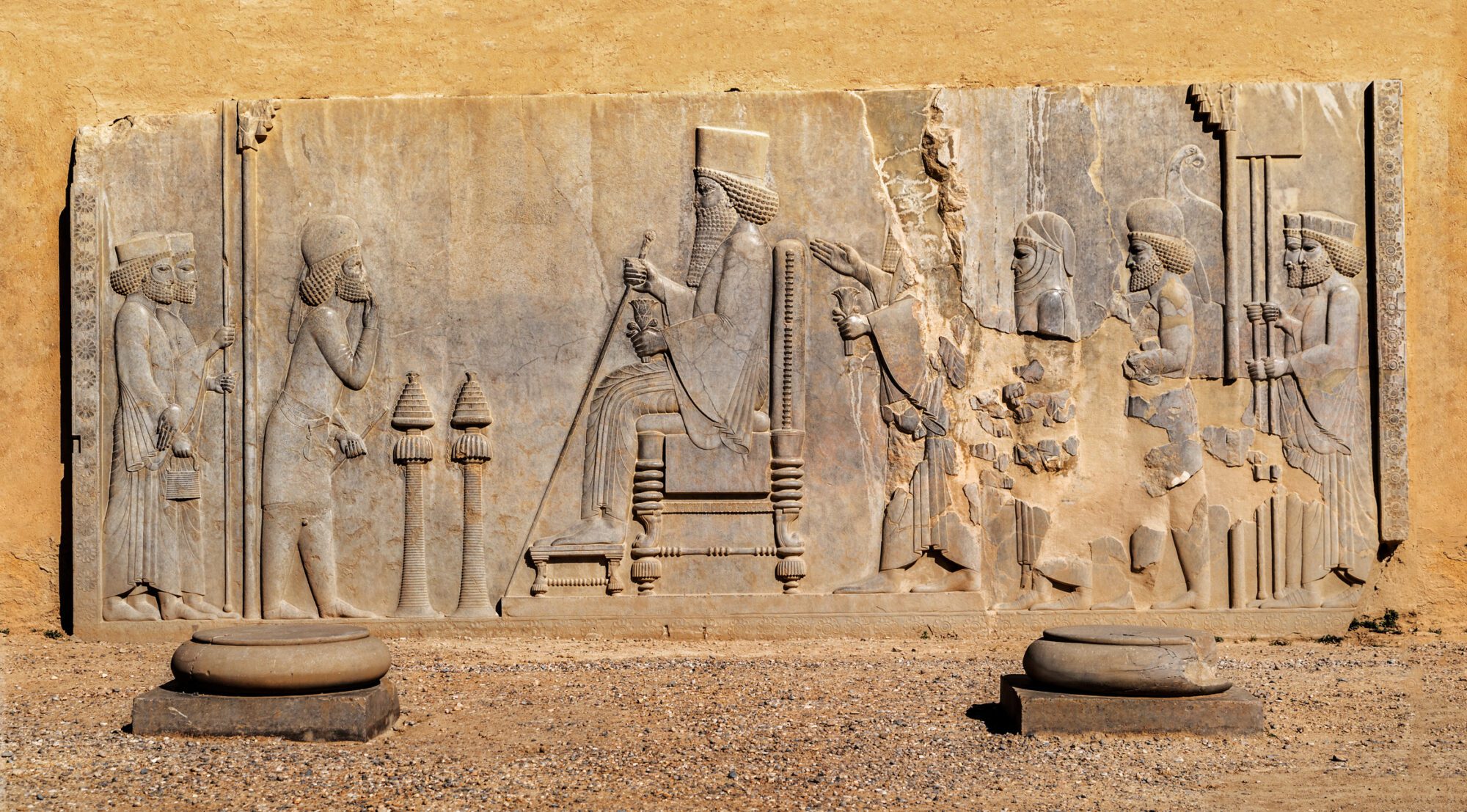

Persian Empire 330 BC


Persian Governance and Strong Administration

From the start, power flowed through a tight network of royal officials across Persian lands. Regions called satrapies were run by trusted governors who reported straight to the ruler – called King of Kings in old Middle Eastern tradition. While building strength, the state poured effort into roads, messaging routes, public duties, and keeping thousands of trained soldiers ready. That setup worked well enough to become a quiet example for future rulers elsewhere. Governance here did not rely on chance but on structure shaped over years.

Political Decline and Weak Leadership

Internal Unrest and Elite Corruption

Still, things started falling apart after solid rule ended. Power had relied heavily on the emperor’s presence; without strength shown, others saw chance. With leaders looking fragile, fighting broke out among those wanting more influence. Unrest brewed below as poor communities pushed back through protest and rebellion. At the top, privilege turned into hunger for riches, ignoring duties to share. Control slipped when rulers lacked grip, letting regions rise again and again.

The Egyptian Uprising and What Followed

A revolt that carried great weight unfolded in Egypt. Rich from ancient roots, held back by Persian control – this land mattered greatly. When unrest grew, it shaped what came next. People there refused to fight for the Persians once Alexander arrived. His entrance met open arms, seen not as conquest but relief.

Rise of Independent Satraps

Meanwhile, power slipped into the hands of regional governors, who started ruling as if they answered to no one. Instead of obeying the crown, they made decisions on their own, treating their lands like private kingdoms. Some negotiated treaties abroad while others fought battles among themselves, chipping away at what held the realm together. As loyalty faded and regions split apart, money troubles hit hard, draining strength from the core administration. Without a firm leader able to organize troops and keep peace, Persia’s leadership slowly lost its grip, faltering under growing chaos. A slow slide began once power tightened its grip, hollowing out state structures bit by bit. When command faltered, the armed forces crumbled under confusion and absent direction.

Economic Crisis and Social Breakdown

Heavy Taxes and Hard Times

Heavy spending on protecting Persia’s huge lands ate up state funds, pushing leaders to raise taxes sharply. Because people could barely afford these burdens, the economy slowed down – unhappiness spread fast. As protests grew, authorities cracked down harder, demanding more money all over again.

Fall in Trade Farming and New Ideas

Gold and silver started piling up in royal vaults instead of moving through markets, making hard times worse. With money stuck, farms produced less food while commerce shrank across regions. People left their homes and fields behind when survival grew tougher each season. Ideas and tools changed little over the years, weakening systems that once adapted quickly. Weapons became harder to make, defenses weaker, just as enemies drew closer unexpectedly.

The Rise of Macedonia and Alexander the Great

A fight broke out among the guards just before Philip fell – knife in the ribs. Power shifted fast when young Alexander got backed by soldiers and lords alike. That hunger for payback? It had been building since Persia first struck Greek land. Over at the Hellespont, spring of 334 BC, boots hit Asian soil as the crossing finished. Foolishly, the Persians laughed off the invasion, seeing no danger in it. Without urgency, King Darius III brushed aside thoughts of Alexander.

Alexander Takes Over Persia

First Wars With Persia

Victory came swiftly when Alexander crushed the Persians at Granicus – this happened back in 334 BC. Soon after, by 333 BC, a clash at Issus sealed yet another sharp win for him. (Persian Empire collapse timeline 330 BC).

Egypt and the Idea of God Kings

Into Egypt rode Alexander next, met without resistance – locals saw him more like a god than a king. Though Darius sent word he was willing to split his empire, the gesture didn’t move him one bit. Belief ran deep in Alexander: destiny handed him control over Asia; nothing less would do.

End of the Persian Empire

Northward from Persepolis went Alexander, reaching Pasargadae after the fall of Susa, and that city too had yielded by spring 330 BC. There he paused at the resting place of Cyrus, once king long before. The road behind him marked fast gains – Gaugamela shattered Persian strength back in autumn 331.

Death of Darius III Ends Achaemenid Rule

A captive of his trusted governor, Bessus, Darius III met death on that man’s command. Taking the crown, Bessus called himself Artaxerxes V without delay. Justice caught up with him-he was held before a Persian tribunal, judged, and then put to death. When Darius fell in 330 BC, so did the long line of Achaemenid rulers and their empire.

Legacy of the Persian Empire

Born from conquest yet shaped by old ways, Alexander kept Persian systems running right up to 323 BC, when he died. Because he ruled so much like a Persian king, certain scholars quietly call him the final Achaemenid ruler. After that moment in Babylon, power fractured – his commanders carved up the land between them. With those splits came an end, silent but complete, to Persia’s age of empire.

You Can Find Me Here

Amit Kumar

Software Engineer & Blogger
Explore history with me, learn facts, gain knowledge, and share ideas of the past with the future generations.

Anand Amrit Raj

Explore

Leave a Comment

Your email address will not be published. Required fields are marked *

Scroll to Top