The Hidden Truth of War Crimes During WW2 by Japan
Looking back at Hiroshima means seeing it within the wider war across the Pacific. Terrible harm came to ordinary people there – no one disputes that – but what Japan did in places like China and Korea matters too. Wars show us the ugly sides of human behaviour, how power gets used against the weak, and how countries choose to recall their roles later. Memory holds space for pain endured just as much as acts carried out. Suffering exists alongside violence started by others.
Japan’s Military Moves in Asia Explained Simply: The Long Fight Over the Pacific
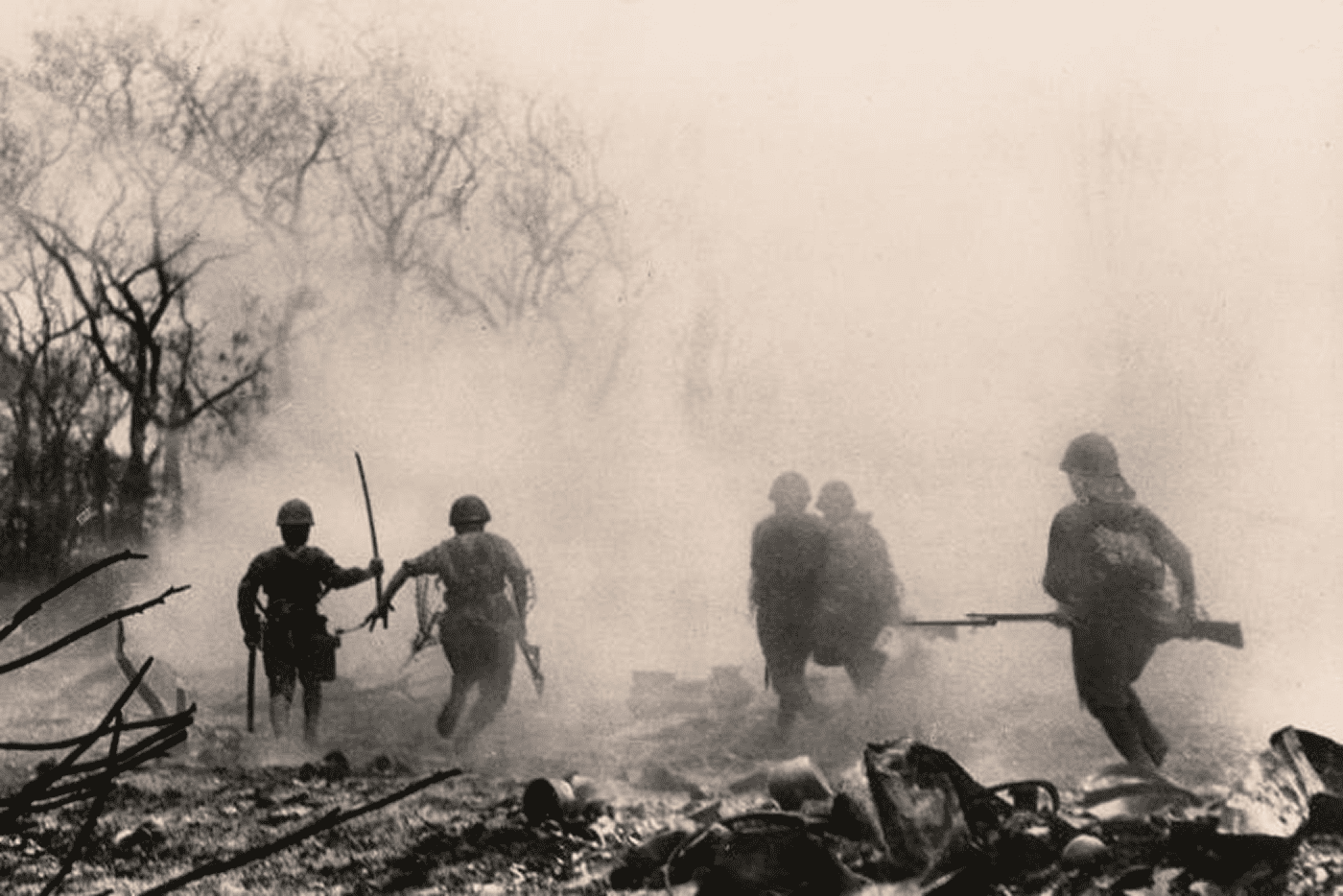
Back in 1931, Japan moved into Manchuria, setting off a chain of land grabs well ahead of Pearl Harbour. Years later, by 1937, conflict erupted again in China – this time dragging on for nearly a decade. From that war alone, around fifteen to twenty million Chinese lost their lives. Fighting stretched across villages, cities, and mountains, lasting far longer than anyone first thought.
Weeks stretched into horror when Japanese troops entered Nanjing in late 1937.
Somewhere between two hundred thousand and three hundred thousand unarmed people lost their lives before 1938 arrived. Killing happened everywhere – streets, homes, shelters – with little pause. Rape became routine. Buildings burned without reason or restraint. Foreigners who stayed behind wrote down what they witnessed. Their accounts remain among the clearest records of those days. Shock rippled outward once reports reached global newspapers.
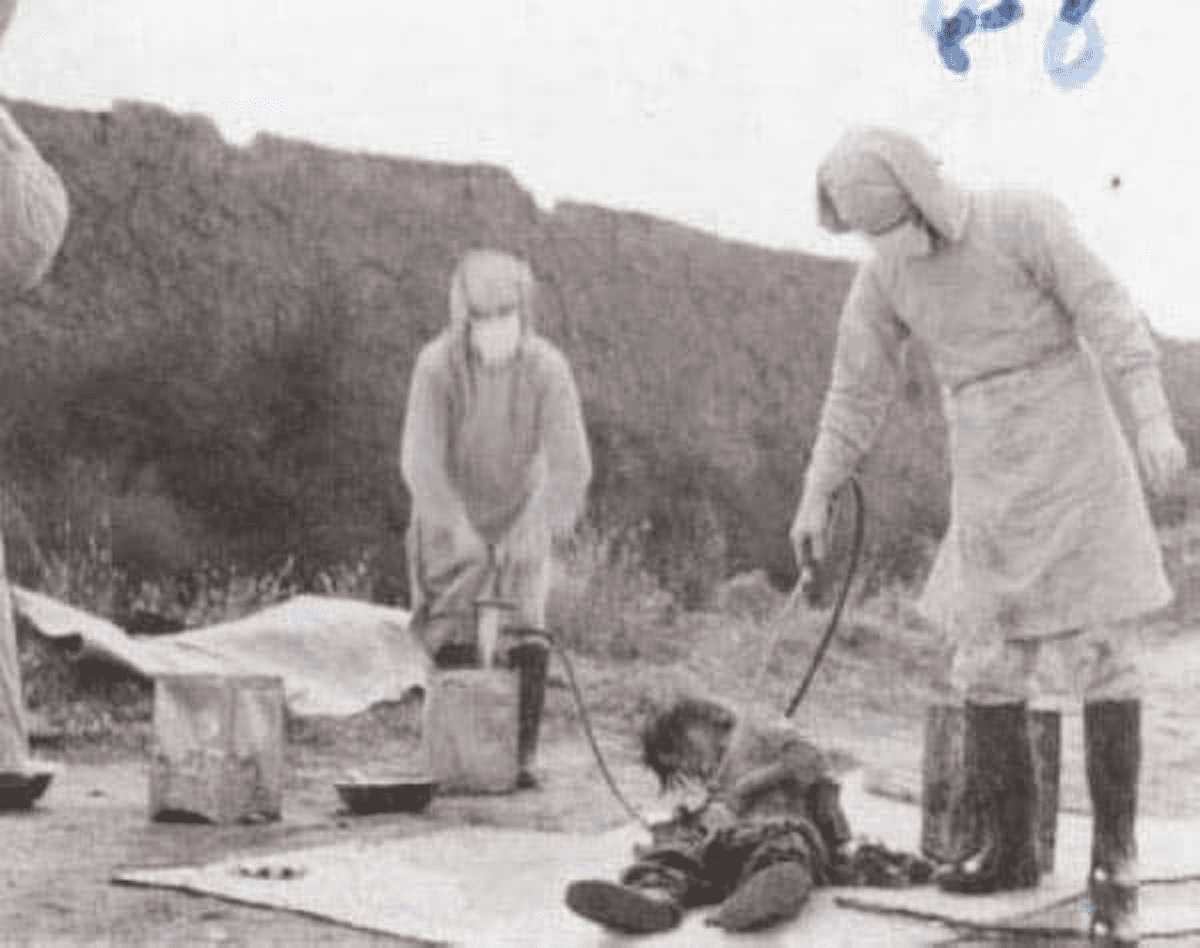
Hidden deep inside Japanese-held Manchuria, Unit 731 ran brutal tests on people still alive. Instead of treating them humanely, researchers cut into their bodies without anaesthesia – often while they watched. Victims came from many groups: Chinese men and women taken off the streets, captured American soldiers, Koreans dragged from work sites under armed guard. Disease didn’t spread naturally here – it was injected deliberately, plague cultured in labs, then released straight into bloodstreams.
Frostbite wasn’t studied through models but by freezing limbs until the skin blackened and cracked. Most who entered never walked out; death arrived quietly or screamed its way through fevered lungs. After peace returned elsewhere, silence stayed around these crimes – no trials, few records, just whispers buried beneath political deals.
Treatment of Prisoners and People in Occupied Areas
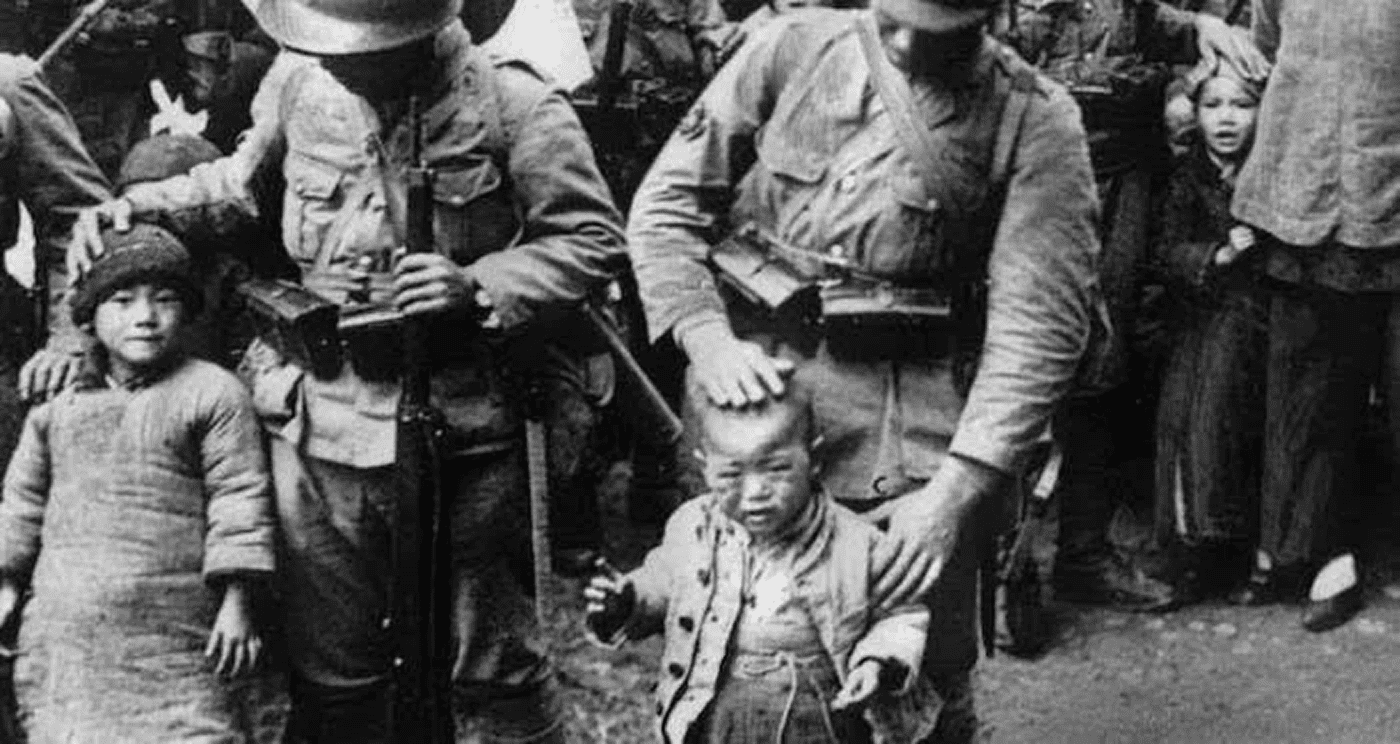
One out of every four Allied captives died under Japanese control. That number drops sharply when looking at POWs held by Germans – only one in twenty-five did not survive. Thousands fell during a brutal trek in the Philippines after surrendering. Heat, hunger, and gunfire took their toll on Americans and Filipinos alike as they moved inland on foot.
More than ninety thousand civilians from Southeast Asia died building the Burma Railway, alongside twelve thousand Allied prisoners of war. Starvation-level food was given while disease spread fast through jungle heat. Beatings followed anyone who could not keep up with daily work targets. A name stuck because so many never made it out – they called it the Death Railway.
Every now and then history reveals something dark – like how around 200,000 women, mostly from Korea, China, the Philippines, and Indonesia, were taken into forced sex labor by Japan’s military. Behind these acts stood a pattern of violence that went far beyond isolated incidents, forming what can only be called large-scale wartime offenses. Those who lived through it carried wounds no medicine could fix, burdened not just by pain but also by silence and shame long after.
Military Ways and How Civilians Learn Them
Death in combat mattered more than survival, according to Japan’s wartime beliefs. Shaped by twisted versions of Bushido, troops were told yielding meant shame beyond repair. Such thinking led to desperate acts – kamikaze strikes, wild frontal assaults – that stunned enemy troops. Horrific losses followed, accepted as part of a rigid creed.
From classrooms to newspapers, people across Japan and its controlled regions absorbed relentless messaging. Little ones, barely in primary grades, lined up for combat exercises while learning the emperor was divine. Starting early, girls learned to handle pointed bamboo sticks, fearing enemy forces would bring them pain and death upon capture.
Dragonflies and the Stories We Keep
Nature’s Surprising Recovery
Out of nowhere, dragonflies – known as tonbo in Japan – began showing up again near Hiroshima soon after the bombing. These insects, long linked to bravery and power in local tradition, arrived when few believed anything could grow back. Experts had said the land would stay dead for years. Life, however, started creeping through much faster than anyone thought possible.
From a handful of ginkgo trees close to where the bomb hit, some lived through both the heat and radiation.
New leaves showed up on them by next spring. Today these survivors are looked after, treated with quiet respect. Slow green return began once radioactivity faded and tainted earth either broke down or got cleared away.
Floating back so soon, dragonflies came to stand for those piecing life together after the blast. Now, typing “Hiroshima dragonflies” into search bars shows how deeply these insects still echo resilience amid ruins.
Grave of the Fireflies Shows War’s Toll Through Art
Through a child’s gaze, Studio Ghibli’s 1988 animation “Grave of the Fireflies” shows what war feels like for ordinary people. Not focused on battlefields, it follows two siblings left alone after air raids tear their world apart. While taking place in Kobe amid widespread bombing, its story echoes pain shared across many cities. Instead of generals or soldiers, the film watches daily survival under endless skyfire. Because of this, its quiet moments carry weight far beyond one family’s fate.
A brother and sister fight to stay alive as cities crumble, shelves empty, bombs fall without warning. Though some point out the movie centers only on suffering endured by Japan, leaving out acts committed by its army during wartime. Conversations emerge around how history gets remembered, whose pain is shown, whose actions are left unseen. Still, the work stands – an intense look at what war does to those who never chose it.
Turning Into A Peace Memorial
Now Hiroshima stands far from its past, once built for war but shaped by tragedy into something else entirely. That broken structure – the Atomic Bomb Dome – lingers close to where everything vanished, kept frozen on purpose. Time passed, then recognition came; UNESCO called it heritage in 1996, marking the ruin as belonging to everyone.
Standing where the blast hit, Peace Memorial Park welcomes more than a million people each year. Inside the museum, personal items sit beside stories from survivors, showing what nuclear weapons do to human lives. Every August sixth, leaders gather here, drawn by ceremony and memory. From this place, Hiroshima pushes forward with global efforts aimed at ending nuclear arms.
Old Arguments We Still Have Now
Whether surrender would have come without the bomb?
Summer of 1945 saw Japan’s position grow dire, according to certain scholars, hinting talks might have already started via countries such as Sweden or Switzerland. Messages intercepted from Japanese diplomats reveal discussions behind closed doors – how to exit war without losing the imperial structure weighed heavily on minds.
On August eighth, when the Soviets declared war, any chance Japan had left to broker peace via Moscow vanished overnight. That moment – according to certain historians – mattered more than the atomic blasts in pushing Tokyo toward surrender. Yet despite both Nagasaki and the Soviet advance, fierce resistance bubbled up within the army ranks. A failed uprising unfolded, revealing how deeply parts of the leadership still craved battle.
Only insisting on total defeat made talks harder, because Japan’s leaders worried their emperor would be removed – or worse, put on trial. In the end, the agreement kept the emperor in place, leaving some to wonder if a slight change in demands sooner could have avoided nuclear attacks.
Alternative Methods Might Have Succeeded?
Besides wanting peace, some creators of the atomic bomb – like Leo Szilard and James Franck – favored showing its force through a test blast far from cities. Though meant to spare lives, leaders in charge of strategy dismissed the idea; they feared failure might make Japan fight harder. Even if announced ahead, such a display could give time to prepare shields or escape routes, making it seem weak. So instead of proof without bloodshed, they chose another path.
Still dropping bombs the old way while keeping ships blockaded could have been tried instead. Yet numbers pointed to a longer fight – maybe many months, even years – with people still getting hurt everywhere. With goods no longer coming in and farmland hit by raids, hunger spread among Japanese civilians. Death toll might have climbed into the millions under that path.
One morning in late 1945, planners faced numbers that shook them – between one and four million Allied lives possibly lost. That grim forecast, real or exaggerated, weighed heavily on those choosing paths through horror. The bomb, cold and sudden, appeared smaller in scale compared to waves of bodies piling up across beaches. Choices narrowed when imagining cities burning under firestorms, soldiers drowning in mud. A different kind of silence followed the calculations – quiet, heavy, without triumph.
The Nuclear Past That Remains
Birth of the Nuclear Age
Almost eighty years without another atomic blast in war. Hiroshima, then Nagasaki – still the sole cases. That gap speaks less of peace than awareness: these bombs erase everything. Fear built walls where reason could not. Mutually assured destruction became a grim promise, not policy. Survival hinged on balance too dangerous to test
Right after the war ended, more countries started building atomic bombs – first the Soviets, then Britain, followed by France and later China. That tense standoff in Cuba during 1962 nearly sparked a full-scale nuclear conflict, showing just how dangerous such arms really are.
Current Nuclear Landscape
Starting things off, nine countries hold nuclear arms today – among them the U.S., Russia, Britain, France, China, India, Pakistan, North Korea, even Israel. Over 12,000 warheads sit in worldwide reserves now, way down from more than 60,000 during tense Cold War times.
Back in 1970, the world agreed to a deal meant to stop more countries getting atomic bombs – at the same time asking those who already had them to reduce their stockpiles. Yet little headway happened on cutting down arsenals, meanwhile dangers such as rogue attacks or mistaken launches still linger today.
A city once shattered by fire now speaks softly of calm. Because those who lived through the blast still share what they saw, felt, heard. Objects pulled from rubble sit quietly behind glass, speaking without words. When schools visit, stories move through hallways like wind. Memory stays sharp not because it is demanded, but because it is shown. New eyes arrive each year, unmarked by war, yet changed after walking these streets.
Complexity Without Easy Answers
Hiroshima’s atomic bombing stirs thoughts that do not fit clear right-or-wrong boxes. Because planners feared massive casualties, they saw the bomb as a way out of a bloody land assault. Yet others point to skies turning dark, bodies vanishing – 140,000 gone before one calendar closed. Pain stretched far beyond those first moments, echoing through decades in survivor stories. When looking back at Japan’s own campaigns across Asian nations, some scholars find deeper roots of destruction woven into the conflict itself.
Starts with smoke rising from cities flattened by bombs, yet also with villages silenced under occupation’s weight. One truth doesn’t erase the next – each stands firm beside the other. Held together, they form something heavier than blame, shaped by countless lives bent but not forgotten.
Whether it’s right hinges on the moral lens someone uses. Outcomes matter most when judging results, yet rules about wrongs stay fixed regardless of consequences. Civilians caught in conflict sit at the heart of this split. Years pass, still no agreement emerges.
Still today, what matters most isn’t closing old debates but seeing nukes for what they are – a danger that won’t go away without constant effort. Not because history says so, yet because the world keeps facing it. When science meets war, these places show where things can lead.
Hiroshima, Nagasaki – names now tied less to bombs than to survival. They stand not just as ruins turned memory, but proof that recovery follows even extreme harm. Their shift from targets to beacons suggests people might grow beyond repeating mistakes. Learning from worst points could actually stick, maybe. Though pain shaped their pasts, quiet strength shapes how others see them now.