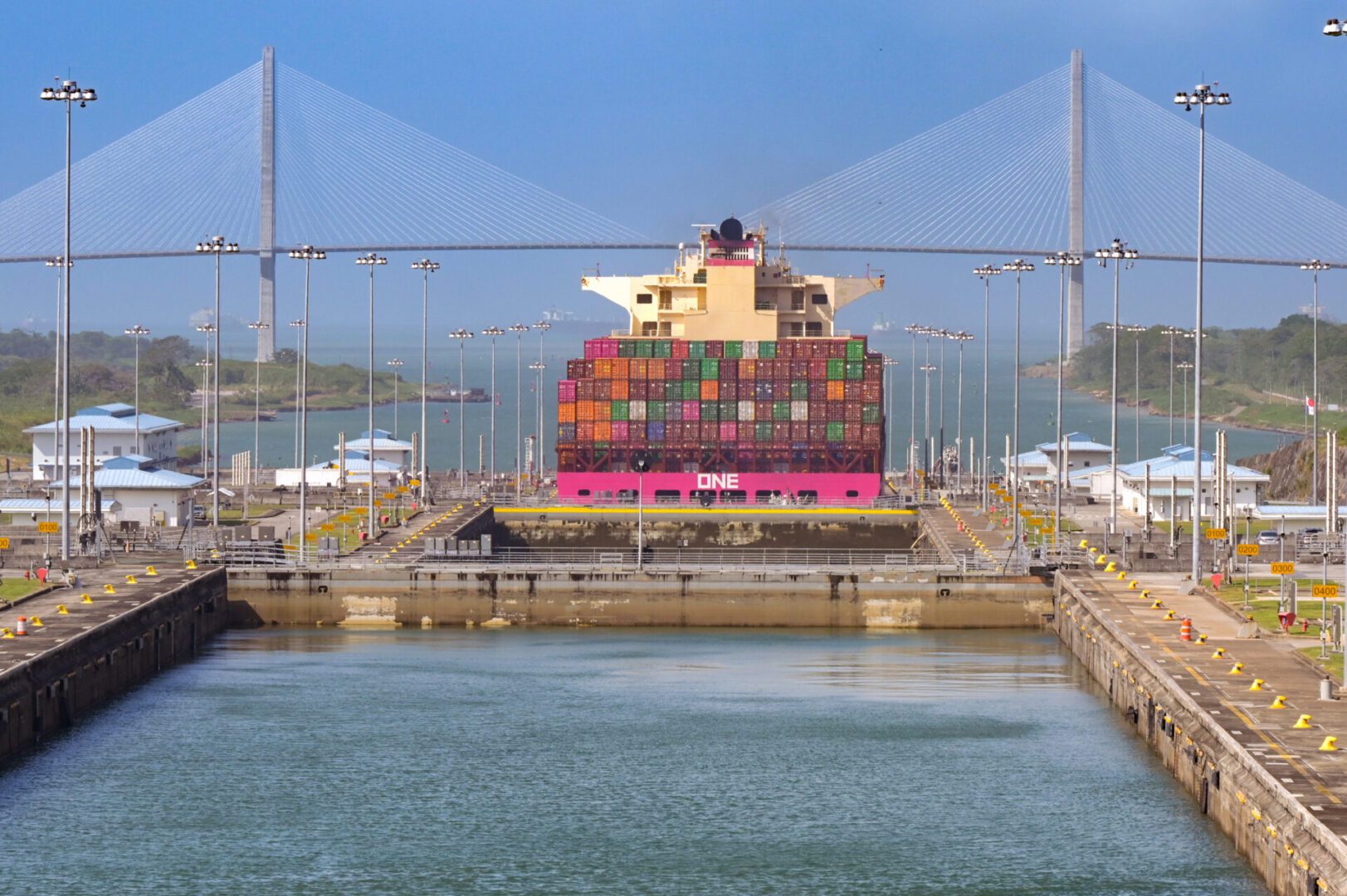
Five Surprising Details About the 2025 Panama Canal Situation
Nowhere is the strain more clear than along the narrow waterway cutting through Central America. Heavy rains once kept boats moving, yet lately empty skies have slowed traffic to a crawl. Tensions bubble up not just from dry rivers but from competing global powers tugging at control. One by one, nations are testing how much influence they can claim near this vital passage. Its past tells of engineering triumphs, though right now survival seems less certain. Today’s pressure comes as much from climate shifts as from quiet power plays behind closed doors.
The Crisis Unfolding What Is Actually Happening
A ripple of change stirred through the Panama Canal lately, shaking its calmest routines in over a hundred years. Back in early 2026, word came from President José Raúl Mulino – order restored, he claimed. Still, beneath that surface, tangled roots persist, quietly resisting any real fix.
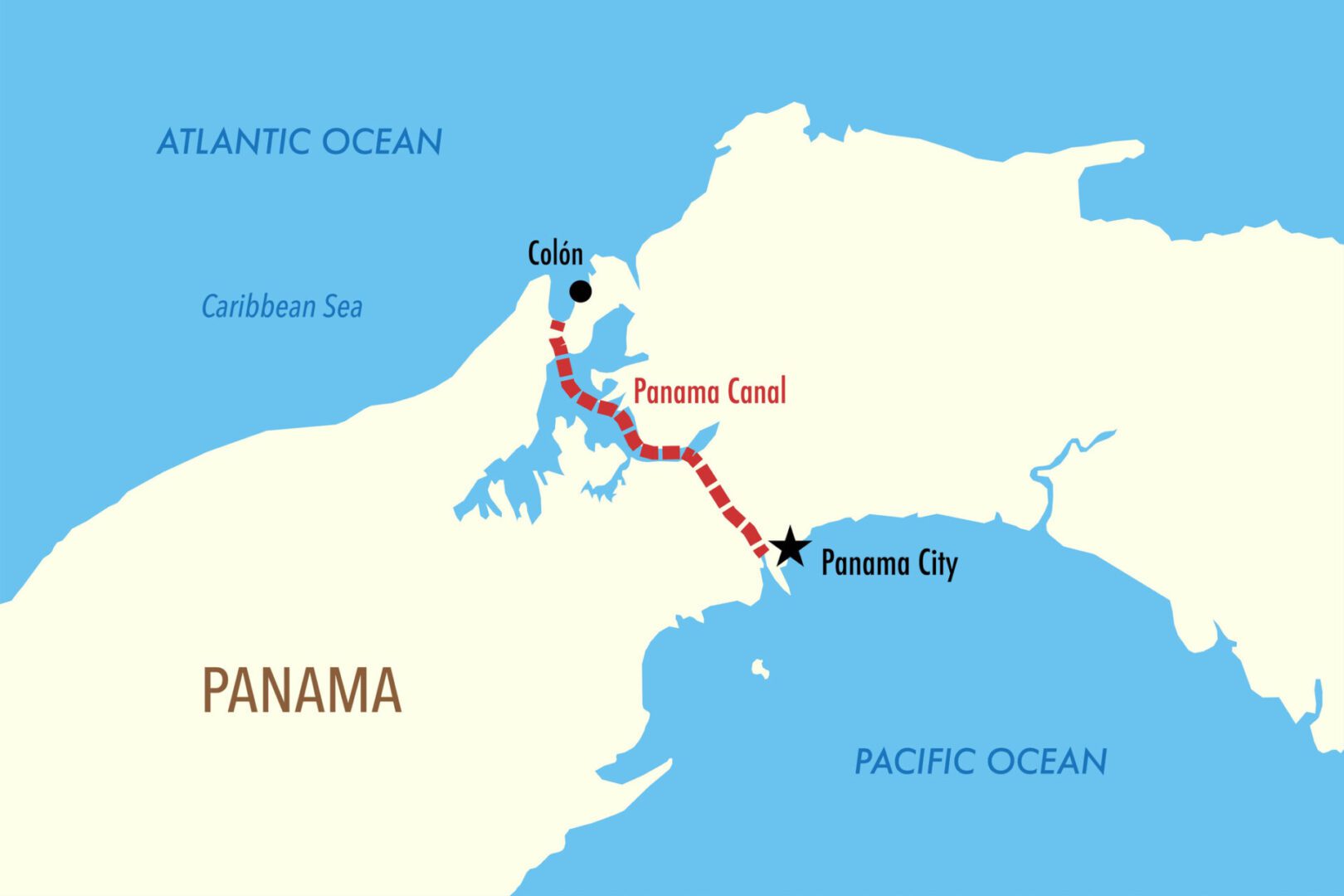
Out of nowhere came claims from President Trump about taking back the canal. In early 2025, he pointed fingers at Panama, saying China was gaining too much sway via Hutchison Ports, a firm based in Hong Kong running key docks on each end. Because of this, tensions flared between Washington and Panama City like never before. Words turned into pressure, shaking long-standing ties without warning.
The Geopolitical Chess Game
Out here, it isn’t just talk. With Hutchison running key ports on both sides of the canal, U.S. officials are watching closely – worried China might gain leverage over vital routes near America. Demands came from Trump’s team: guarantee access to U.S. ships. On the flip side, Panama held its ground, citing legal promises tied to independence and balanced relations.
A twist emerged when a group led by BlackRock moved to buy eighty percent of the ports from Hutchison. Worth possibly billions, the transaction could transfer power from Chinese hands to U.S. financiers. Yet that momentum stalled – COSCO, China’s state-backed shipping firm, insisted on holding most shares. Now talks are frozen, caught between Panama, America, and Beijing.
Environmental Disaster and International Commerce
Frozen in debate, leaders watched as rain refused to fall. Water vanished from Lake Gatun – slow at first, then all at once. This lake, built by hands long ago to move ships between oceans, began shrinking beyond what charts had ever shown. El Niño tightened its grip, baking the region under relentless sun. By midyear, every fifth drop of needed water was simply gone.
Right away, things got bad. Down to twenty-four ships a day from thirty-eight, traffic jammed up fast – companies scrambled just to adjust. Seven billion liters of fresh water go with every boat that moves through; without it, the system buckles. Five percent of world sea trade runs this way, so delays here ripple far beyond the region. The lack of rain hit hard, slowing everything in its path.
French Setback Then American Success
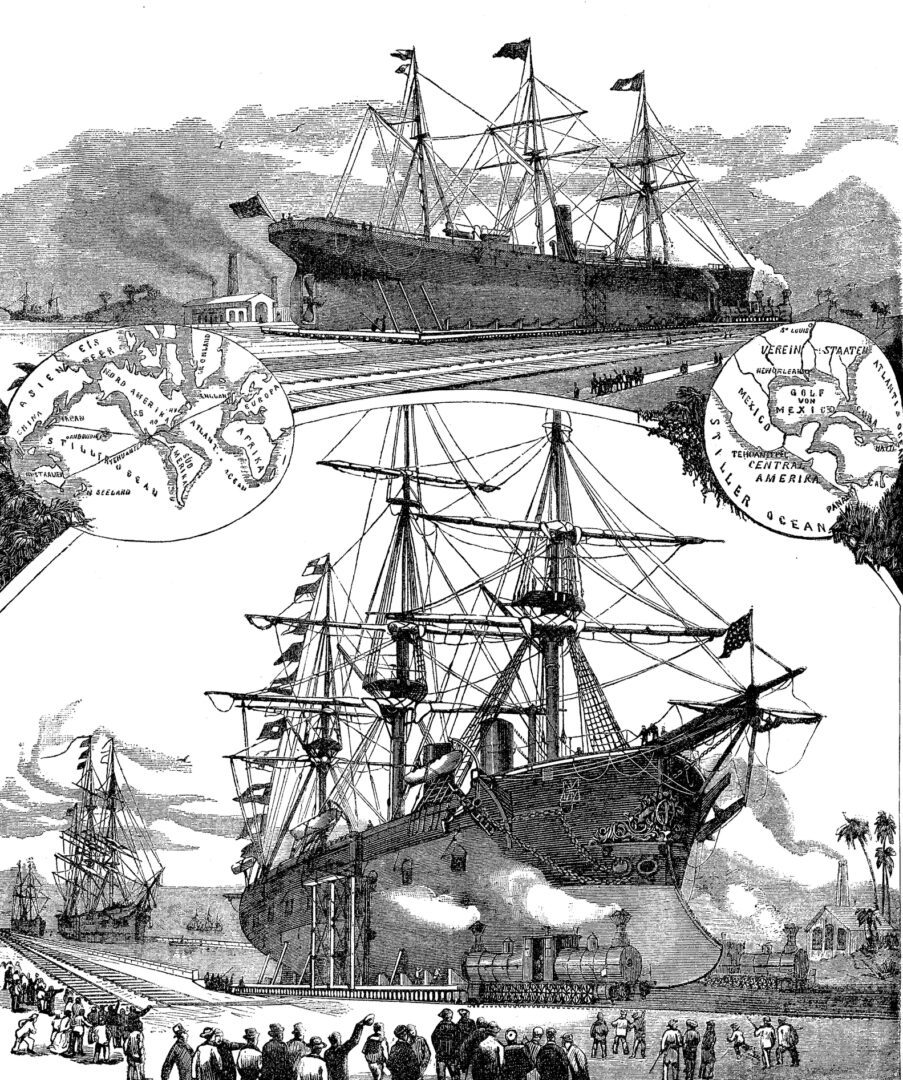
Before steamships or concrete locks, a Spanish explorer walked through jungle heat. That was in 1513 – Balboa reaching the Pacific after trudging across Panama. Oceans sat close, yet ships still circled continents. The idea of cutting through never faded, though it waited. Centuries passed without so much as a single dig. Then, finally, dirt began to move.
Ferdinand de Lesseps, known for the Suez Canal, began building in Panama in 1881. At first, hopes ran high – France had triumphed at Suez, Egypt offered proof of concept, yet here things unfolded differently. By 1889, it was over, wrecked beyond repair. More than twenty thousand workers died, many from yellow fever and malaria spreading through swamps. Mistakes in planning made everything worse; his choice of a flat canal ignored Panama’s hills, rivers swelling unpredictably each rainy season.
America Takes the Reins
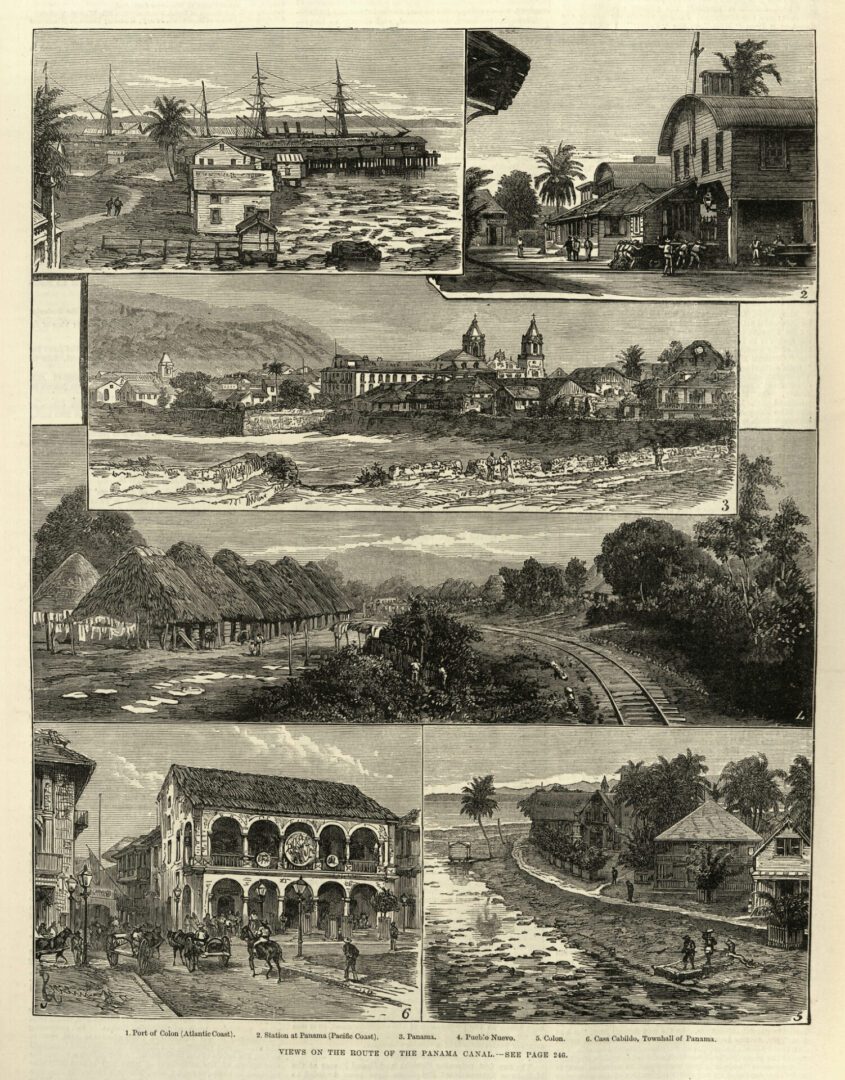
Few years after France gave up, eyes in Washington lit up. By 1903, Panama broke away from Colombia, backed by U.S. ships and promises. Right after, a deal was signed – Hay-Bunau-Varilla – not through long talks but quick agreement, handing America land for a canal ten miles across. Work started again in 1904, though this time machines roared where mud and fever once ruled.
That trip in 1906 stood out – Theodore Roosevelt became the first U.S. president to leave the country while in office, heading straight to the worksite. Leadership took a different shape under him; trust in skilled people such as John Stevens and later George Washington Goethals shifted how things got done.
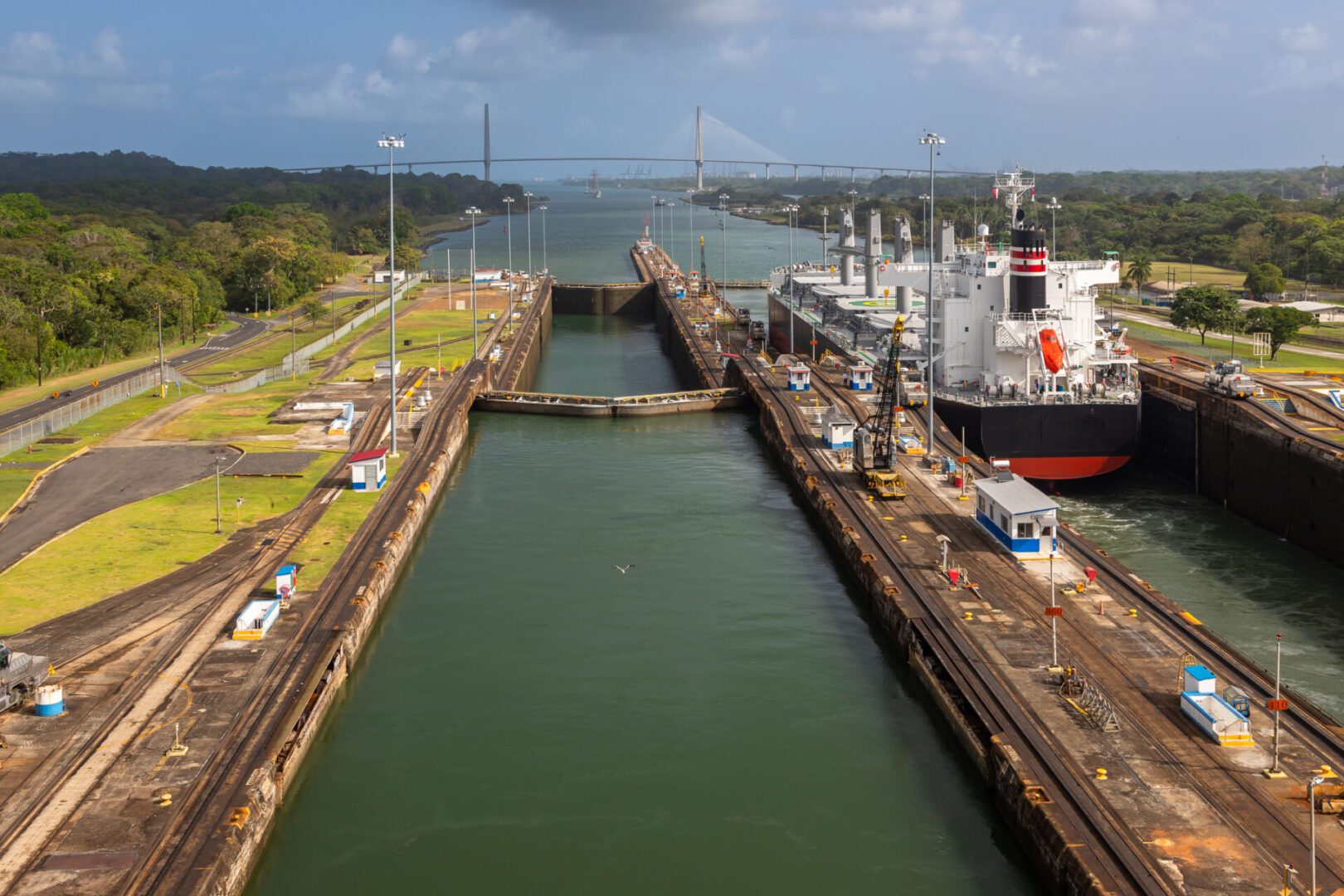
Starting fresh, Stevens ditched the flat sea-level plan, opting instead for locks raised above the ground. Because of that move, the canal could tap into Lake Gatun – not just for water but also as a high-up route through the land. Less digging was needed now, yet the path became stronger and smarter all at once. Goethals took over, pushed forward, finished the whole enormous job earlier than anyone expected. On August 15, 1914, the ship Ancon sailed through first, marking it done.
Fifty-six thousand people worked on the U.S. section – hard numbers tell a grim story. About one out of every ten never made it home, falling to sickness, mishaps, or brutal labor demands. Still, what they built could not be ignored: mountains carved apart by the Gaillard Cut, massive gates ready to raise ships skyward, and enough dirt shifted to bury entire cities. The toll weighed heavy; so did what stood in its place.
2025 Monthly Overview
Off to a rocky start, January 2025 saw tensions rise right away. The freshly sworn-in President Trump turned his attention to Panama, blaming it for imposing high fees that hurt U.S. cargo firms. Instead of working behind the scenes, he pointed fingers at China’s influence via Hutchison Ports without delay. In reaction, Panama’s maritime officials set up a review of how its ports are run – all within days.
February brought heavier diplomacy into play. Over in Panama City, talks unfolded between Secretary of State Marco Rubio and President Mulino, face to face. Under clear U.S. influence, Mulino made a move – cutting ties with China’s Belt and Road deal. That decision hinted at stepping back from Beijing’s reach, slowly but surely.
The Port Sale Saga
A twist came in March. Eighty percent of Hutchison’s port assets found a tentative buyer – a group pulled together by BlackRock, with MSC and TiL Group on board. Security worries from U.S. officials seemed to ease under the weight of the arrangement. Smooth day-to-day running stayed intact through the shifts.
Falling apart by mid-2025, talks lost ground fast. Since COSCO – a firm owned by China – saw danger in BlackRock’s involvement, it insisted on holding most shares. When Beijing stepped in, what started as business shifted toward power struggles, neither party willing to give an inch.
At the same time, disputed defense pacts opened Panama to broader American troop drills, sparking debate over national autonomy. Opposite views claimed these deals broke not just intent but possibly legal terms of the 1977 accords meant to uphold local authority.
Few months into 2026, President Mulino said the situation was “fixed” – but with conditions attached. Even though things between the countries looked calmer on the surface, core tensions about who controls the ports, how much China is involved, and what the U.S. wants strategically stayed wide open.
Global Effects and Economic Shifts
Fifty ships waited too long, then took longer paths. One by one, they slipped into different lanes – most detoured past Egypt or down near South Africa’s tip. Each mile piled on extra hours. Some trips stretched nearly twice as far. Busy waterways there filled fast. Pressure built where none had been before. A jam here pulled threads everywhere else. Ships stacked up like delayed messages piling in silence.
Supply Chain Shockwaves
Fifteen days longer than usual – that’s how much time ships lost crossing from Asia to the US East Coast. On the western run, prices climbed by more than a third thanks to shipping snarls. Moving goods across the Pacific generally cost twenty-five percent more. Billions followed: over one thousand five hundred million in added expenses each year, according to experts watching trade patterns.
Each year, around twelve to fifteen thousand vessels pass through the waterway, mostly from the U.S. and China. Cutting travel distance dramatically – down from thirteen thousand miles to a bit over five thousand – the route reshapes how goods move across oceans. This shortcut links coasts in ways few alternatives can match. Efficiency gains echo far beyond one nation’s economy.
Thirty-one point two billion dollars moved into Panama’s treasury from the canal, authority records show, covering the years 1999 to 2025. When limits hit, faster passage sold more often by bid; big ships sometimes added two hundred thousand dollars to their fee just to go through early – thirty percent above standard cost.
Climate Change and Water Issues
Dry conditions laid bare key flaws in how the canal was built and run. Because major upgrades won’t arrive before 2027, it now handles less traffic than designed. By late 2025, ships passing through each day could hit up to thirty-two – yet that number remains far under usual levels.
Half the big new ships couldn’t get through, despite the canal widening just for them. That flaw put at risk much of the money spent on upgrades supposed to secure its role ahead.
Long-term Solutions
A fresh idea floats through Panama – officials suggest a 1.6 billion dollar plan to block the Indio River, aiming to feed water needs of the famous passage. Still, voices rise about nature’s balance, ancestral grounds at risk, delays piling up; real change might wait much longer than hoped.
When El Niño strikes again, tough dry spells could return unless big changes happen. Rain keeps the canal running – so shifting skies put everything at risk. Tweaking daily operations helps little when the downpours stop coming.
What the Future Holds
Ahead lies a stretch of tough choices for the canal’s path forward. Ownership tangles involving BlackRock, Hutchison, and COSCO still sit unresolved – tied tightly to how America and China handle each other. On this ground, neither side moves easily. Each sees the waterway as too vital to bend. What happens next flows from politics far beyond the docks.
How water gets handled decides if things run smoothly. If expanding reservoirs fails to pair with saving efforts, low water levels return each dry period. When that happens, the canal can’t move as much. That puts Panama at a disadvantage compared to other paths ships might take.
Panama‘s Balancing Act
Independence of the Canal Authority sits protected by Panama’s constitution, shielding it from influence by the president. Back in 1977, the Torrijos-Carter Treaties gave the United States an ongoing role in guarding the canal’s neutral status, even as Panama kept full control over its own land. That careful setup has faced strain lately, pushed by fresh disagreements.
For over two decades, Panama has kept the waterway running without major hiccups – proof of steady hands at work. Staying neutral means no country gets special access, a rule built into how things are run day to day. Future spending isn’t about flashy upgrades but quiet improvements that keep ships moving smoothly year after year.
Facing rising shipping costs, small island nations speak up. When canals shut down, their trade suffers more than others. These islands feel the pressure harder due to reliance on sea routes. Unequal effects emerge alongside economic strain. Development gaps grow where transport stumbles. Fairness becomes part of the conversation naturally.
The Stakes for Global Trade
Floating through that narrow stretch of water each year is money – more than two hundred seventy billion in trade alone. Not just a local shortcut, really, but something bigger. When things slow there, shelves elsewhere feel it. Prices shift. Schedules bend. The whole rhythm of moving goods changes, quietly, across oceans.
Out of chaos, three shifts collide – warming planet stressing vital systems, nations clashing for control of key resources, trust in borders fraying across linked societies. What happens here sets patterns others may follow, long after the dust settles.
Its path ahead rests on how well talks are handled, how nature is responded to, changes in trade needs met. Depends on whether Panama stays self-reliant amid U.S., China demands pulling hard. Shifts in weather dealt with without losing function. Stays neutral though world tensions push one way then another. Outcome shapes more than just passage – it bends how nations work together – or clash.
Still, one truth holds – eyes around the globe stay fixed on Panama, where choices shaped in a compact country ripple out through distant seas and markets not its own.