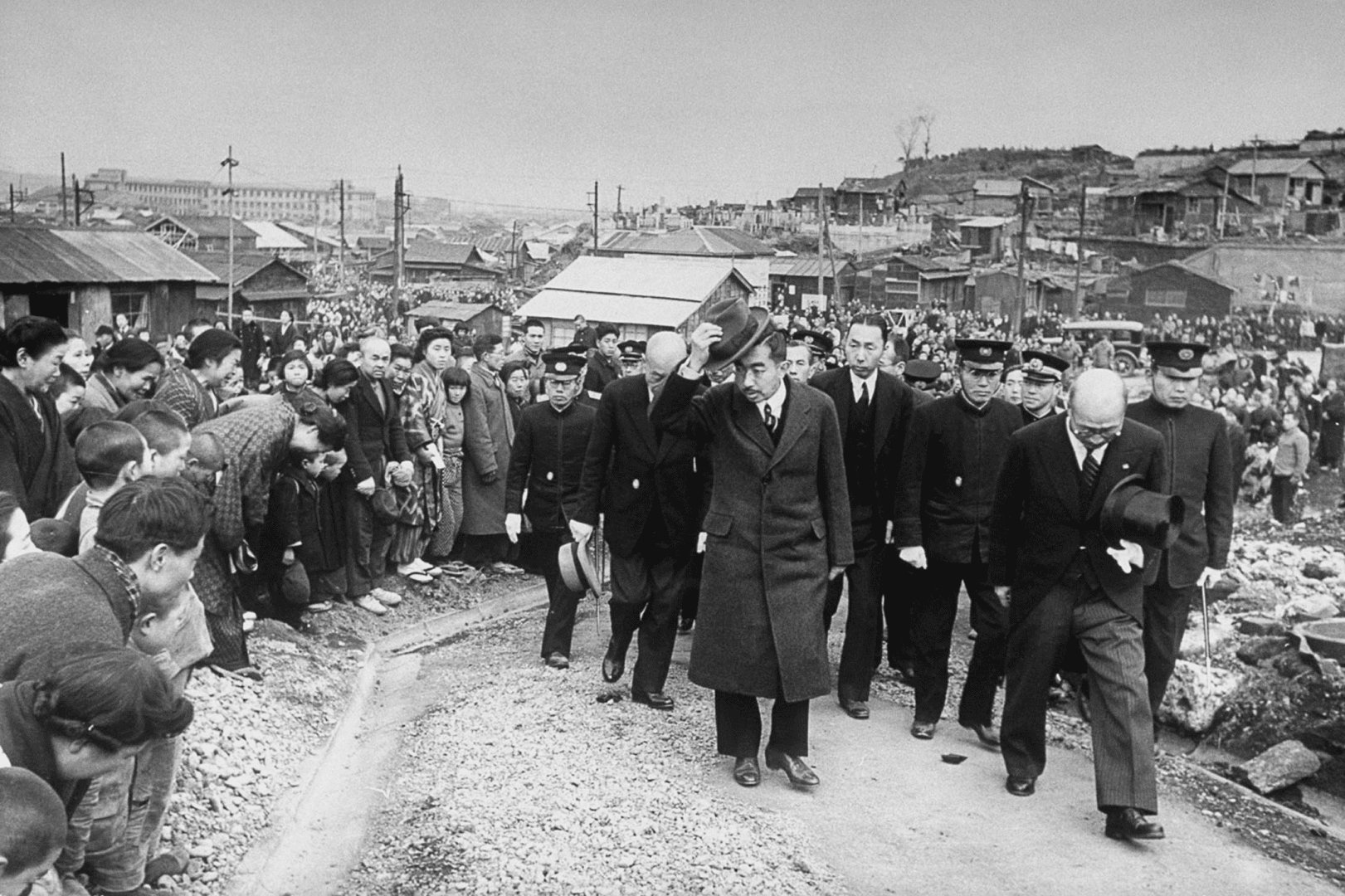
Japan’s Modern Renaissance Under Emperor Meiji
Japan achieved its modern renaissance under Emperor Meiji shortly after the mid-19th century. Emperor Hirohito was one of his successors. The emperor modernized his country in various fields by the standards of the time, including educational and cultural advancements, infrastructure development, architectural innovation, and urban planning. This industrial revolution enabled Japan to rapidly modernize its military, making it the leading Asian power at the dawn of the 20th century, surpassing the armies of major powers like Russia and China. Political modernization accompanied its military and economic counterparts in the Land of the Rising Sun. Japan introduced limited popular elections, a parliament, and a modern constitution, thus solidifying the foundations of the Japanese Empire and supporting its expansionist ambitions in Asia.
From Taisho to Showa – The Roots of Expansionism
While the Emperor, whose reign is known as the Showa period (referring to his long rule from ascending the throne in 1926 until he died in 1989), was directly responsible for Japan’s entry into World War II, Japan’s expansionist aspirations had already been ignited during the reign of his father, Emperor Taisho. As a young man, Hirohito received both civilian and military education and was exposed to the European Renaissance even before he officially ascended to the throne. Furthermore, when he was acting emperor in 1921 due to his father’s illness, Japan was already one of the world’s largest economies and the third-largest naval power.
Japan’s International Standing After World War I
Politically, Japan was one of only four countries to have permanent membership on the Executive Council of the League of Nations! During his time as Crown Prince and also during his de facto rule while his father was ill, Hirohito continued Japan’s pro-Allied foreign policy in World War II (the United States, Britain, and France). He signed a four-way agreement with them to maintain their presence in the Pacific Ocean. He also signed a five-way agreement to limit naval forces with the aforementioned countries, in addition to Italy, in what appeared to be a policy of appeasement towards the Allies in America and Europe!
The Shift Away From the Allies
However, after Hirohito officially assumed power, several changes occurred in Japan’s foreign policy, leading it to abandon its alliances and embark on a new international adventure by allying with Germany and Italy at the end of the 1930s. But what were these changes?
Economic Crisis and Political Instability in the 1920s
Although Germany’s defeat in World War II drove Hitler to suicide and led to Mussolini’s execution by firing squad, Emperor Hirohito was the luckiest, despite the massacres committed by his army, remaining in power symbolically until his natural death in 1989. Just as in Germany, Japan suffered from an economic recession in the second half of the 1920s. Unemployment rates rose, political violence spread, and assassination attempts against the Emperor himself and several of his Prime Ministers increased. Japanese communist groups, which, like the Russian Revolution, sought to end imperial rule in the country, also spread.
Militarization and the Rise of Totalitarian Rule
The situation worsened when elements within the Imperial Army attempted a coup against the regime. Hirohito then followed the same Nazi policy, relying on military industrialization to combat unemployment. He established a totalitarian culture that glorified him as a sacred figure in the education system and media. He also personally oversaw the leadership of the Japanese army. One of his most important strategies for keeping the army unified and subservient to him was to bring the most loyal elements closer to the army leadership and give them free rein in the country’s economy and in controlling both the government and parliament. Then he invaded China to expel Western influence from Asia and establish a purely Japanese empire.
The Invasion of China and Wartime Atrocities
Having already annexed Korea in 1910, Japan invaded China in 1937. The Japanese army committed some of the most horrific war crimes in China, perhaps most notably the massacres of Nanjing and Wuhan. In the first, nearly 300,000 Chinese, mostly civilians, were killed in mass executions. In the second, researchers documented the Japanese army’s use of chemical weapons and poison gas on more than 350 occasions. The Japanese emperor was directly responsible for all these atrocities, as investigations later proved that he did not oppose any of them, and that if they were not carried out on his direct orders, he was certainly fully aware of them.
Axis Alignment and the Road to Global War
Thus, the Japanese state was fully militarized, and Japan lost its alliances with Britain, France, and the United States. It gradually drew closer to Germany and Italy until the three countries signed a formal alliance in 1940, stipulating military coordination and the establishment of a high-level committee comprising military and diplomatic personnel from each of the three countries in their respective capitals. Yugoslavia, Slovakia, Hungary, Romania, and Bulgaria later joined this alliance.
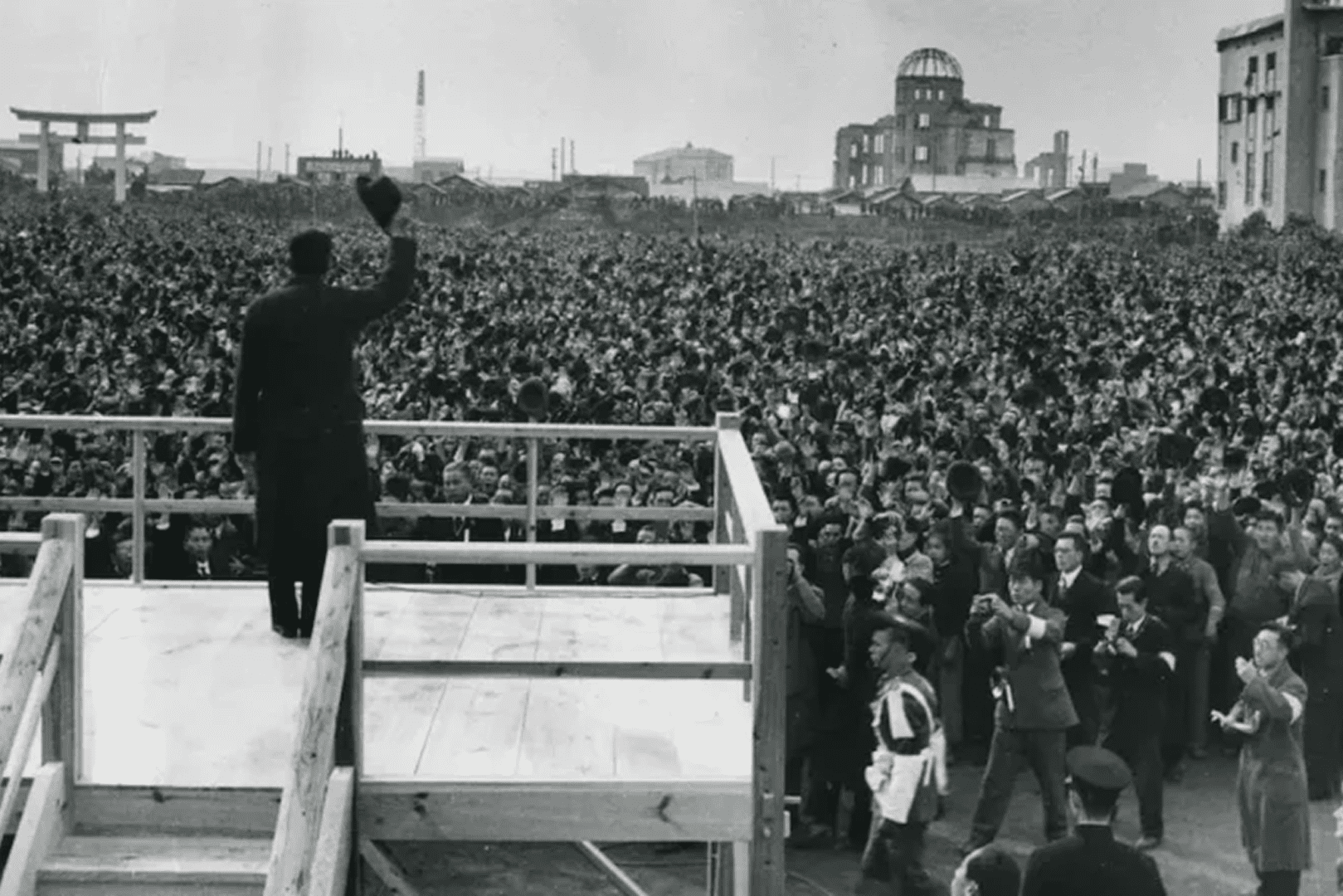
Pearl Harbor and Japan’s Entry Into World War II
However, the most significant step towards Japan’s actual participation in World War II was the Japanese army’s attack on US military bases in the Hawaiian Islands, known as the attack on Pearl Harbor. This surprise attack was intended to halt the US advance in the Pacific Ocean. Also, it targeted US military bases in Guam and the Philippines, as well as British military bases in Malaysia, Singapore, and Hong Kong.
The Consequences of War and Hirohito’s Survival
In a swift response to this devastating attack, the United States declared the end of its neutrality and officially joined Britain and France in the war, thus widening the scope of World War II, which lasted until the summer of 1945, leaving hundreds of thousands of victims, much like World War I. Although Germany’s defeat in World War II led Hitler to commit suicide and Mussolini to be executed by firing squad, the Emperor was the luckiest, despite the massacres committed by his army. He remained in power symbolically until his natural death in 1989, a topic that will be discussed later.