
The Forgotten Famine: Churchill’s Role in Bengal’s Food Crisis
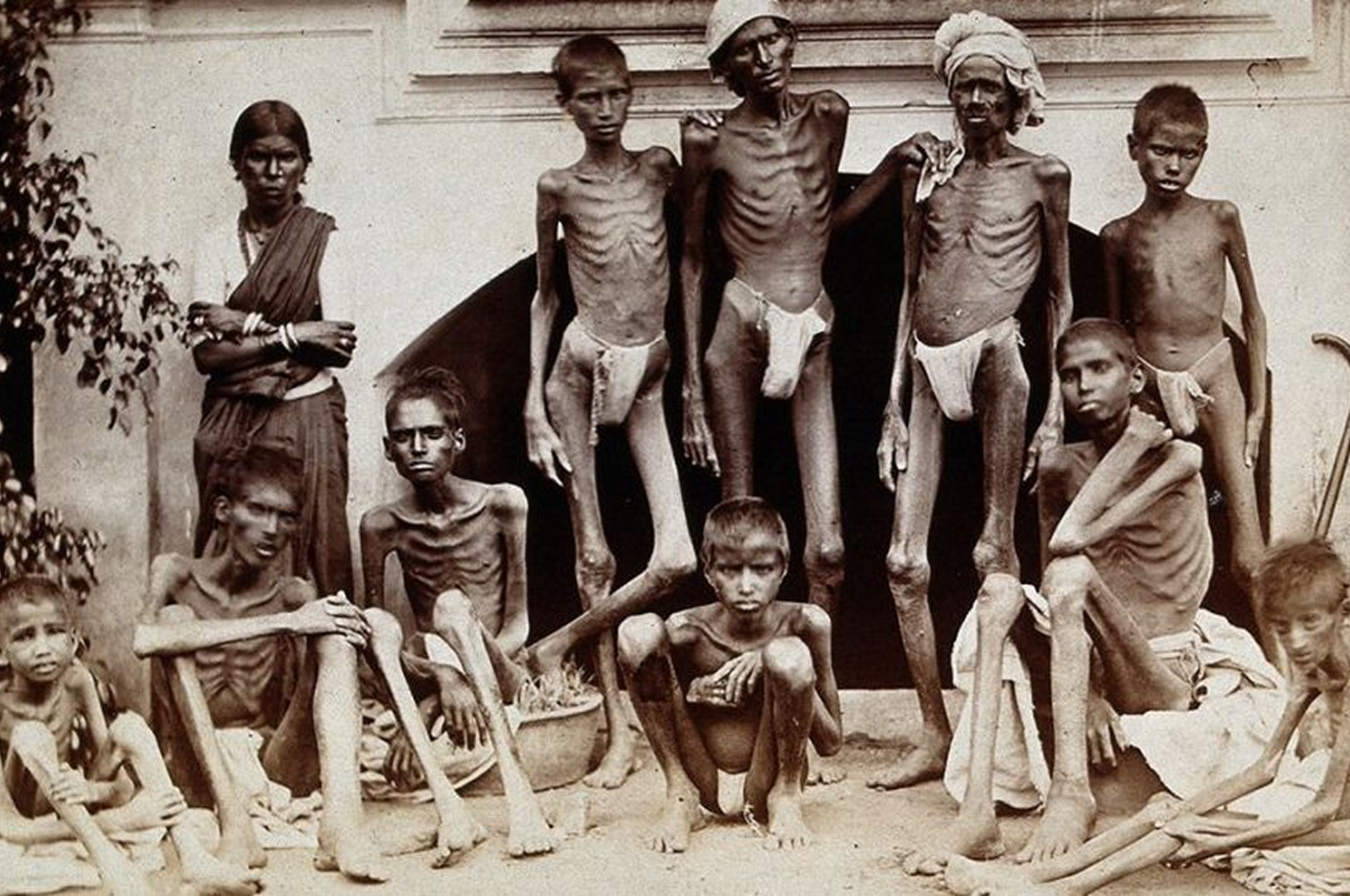
One day in September 1943, far from Europe’s front lines, hunger began tightening its grip on Bengal. A report from The Statesman, dated the twenty-third, laid bare what few saw: that week alone, 1,319 lives ended by starvation. From mid-August onward, hospitals took in 4,338 severely malnourished individuals. Nearly a thousand did not survive after being admitted
A single policy decision, far from any act of nature, led straight to starvation. Lives lost reached into the millions, perhaps three or four.
Power shaped every aspect of who survived and who did not. Behind closed doors, choices were made with cold precision. The scale of death stands among the worst ever seen. A name tied firmly to that time is remembered now more than others – Churchill’s role looms large.
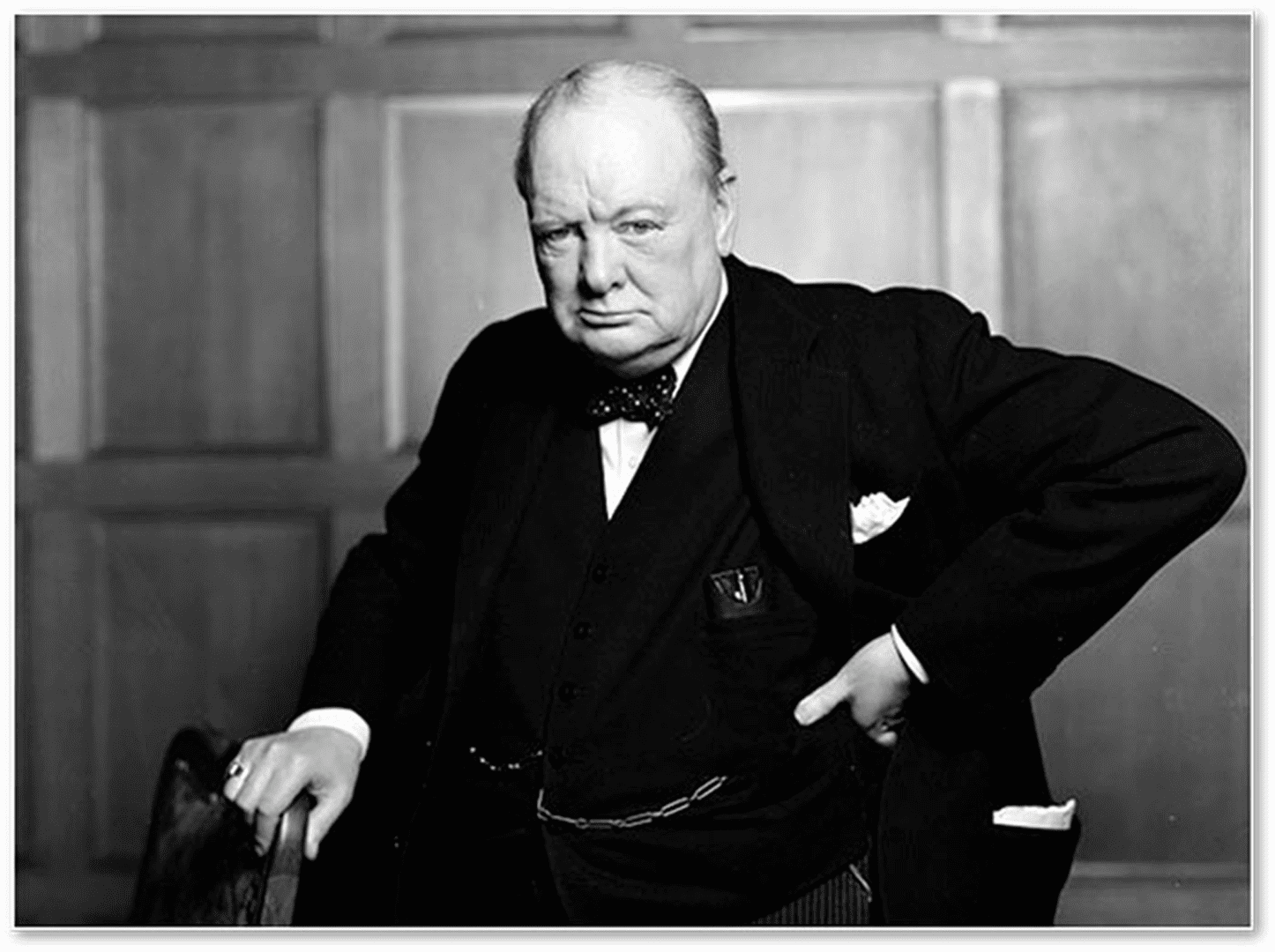
Churchill Bengal Famine 1943
British Colonial Rules and the Bengal Famine
The Scorched Earth Strategy That Starved Millions
Far from distant fronts, India gave soldiers, goods, long-term loans through wartime years. By 1942, harsh measures took root under colonial rule – across Assam, Bengal, Bihar, Orissa, even stretches of Madras, officials directed military forces to wipe out grain stores while crippling paths of movement on land, rails, waterways, coasts.
What did they claim at the time? Cutting off supplies from reaching Japanese troops. Truth was different. People across villages faced empty plates, hunger spreading through homes without relief.
Not satisfied with earlier moves, British leaders went further. Along the Bengal shore, they demanded every boat be smashed, each store of rice burned, worried about invaders arriving by sea. Cut off like this, villages along the water had no way out. People stayed right where they lived, yet slowly ran out of food.
The Deliberate Denial of Food Relief
What stands out most is what records show about those cabinet sessions. Not long after Leo Amery, India’s British-appointed secretary, asked for half a million tons of food to help millions near starvation in Bengal – his plea met cold silence. Barely any grain arrived at all. Less than twenty-five percent of what he had pleaded for made it through. Decisions taken behind closed doors revealed how little urgency there truly was.
Amery later noted a chilling detail: “The Cabinet generally regarded this matter as a bluff for India.” What worsened it was that help came from the U.S. and Canada, meant only for Bengal’s starving people – yet London turned it down without hesitation.
Churchill’s Role in Bengal Famine Shaped by Racial Attitudes
Churchill Saw Indians as Prolific and Inferior
That year, hunger spread fast across Bengal while one man’s views made things worse. Not just any official – Churchill – with his pride in empire—watched the colony slip away. His dislike for Indians wasn’t quiet or hidden; it shaped choices from faraway rooms. Decisions delayed, shipments rerouted, lives lost. Power stayed in cold hands that saw suffering as distant noise.
It gets worse. During a War Cabinet session, Churchill pointed fingers at Indians for the famine, claiming they multiplied rapidly, much like rabbits
Famine gripped millions while Churchill stood firm against relief. His views shaped harsh choices that worsened suffering across villages. Some within Britain saw it differently – Leopold Amery, overseeing Indian affairs, pushed back hard. So did General Archibald Wavell after stepping into leadership. Aid could have moved faster if resistance hadn’t come from the top. Instead, delays tightened death’s grip where hunger already bit deep.
The Hidden Truth Behind Churchill’s Role in the Bengal Famine
Censorship and Propaganda in Famine Times
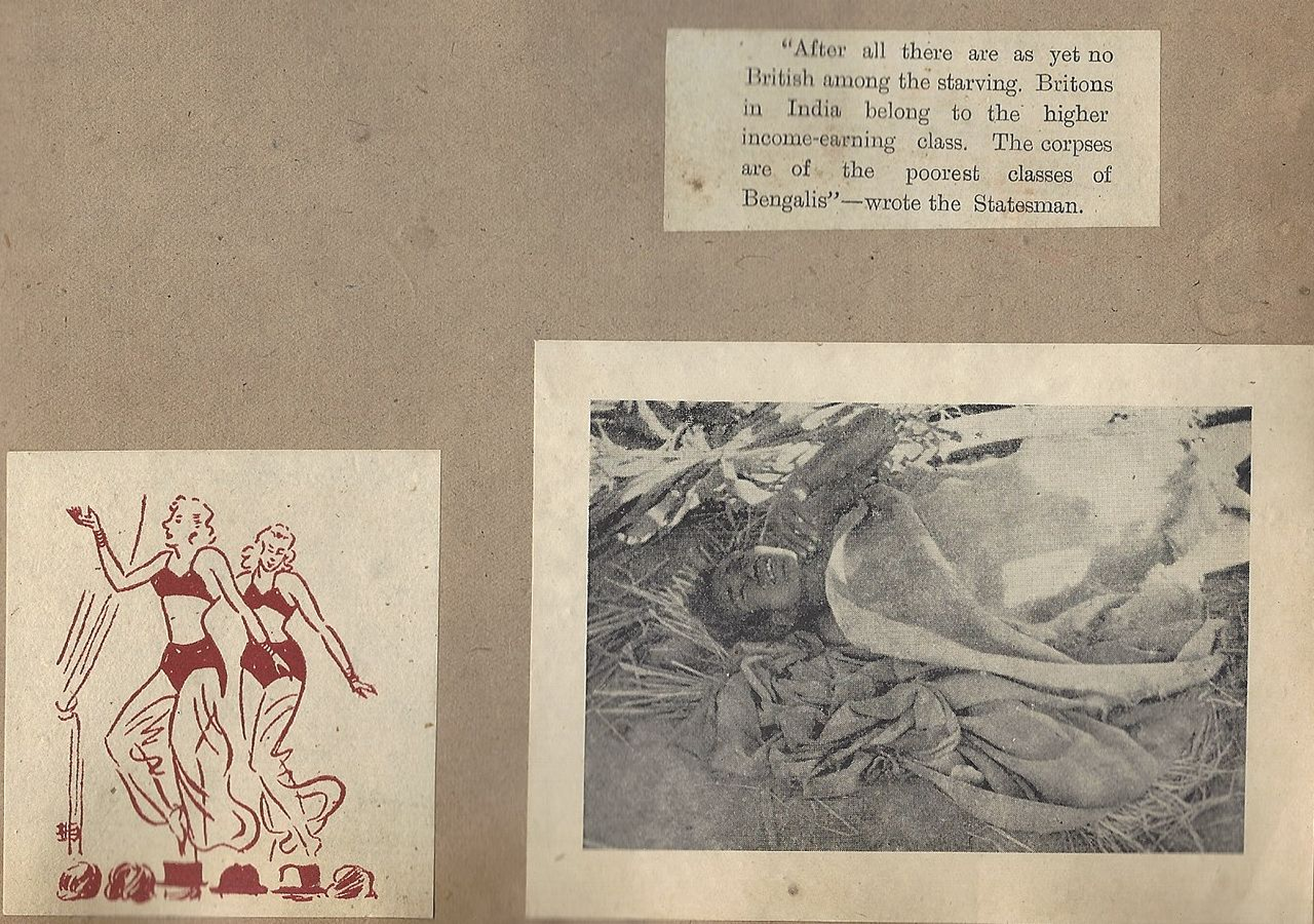
It wasn’t merely that officials let the famine spread. Hidden behind orders meant to block unsettling details – anything hinting at panic – the facts were kept quiet on purpose. Still, one paper ignored the silence. The Statesman carried numbers so grim they could not be dismissed, slipping past restrictions meant to bury them.
Stories began appearing more often because officials wanted them there. Relief missions took center stage, pushed forward by quiet support from above. Instead of examining choices made in government, attention shifted to people asking for help on streets. Hunger was spoken about like it had always been this way. Decisions behind closed doors stayed out of view. The real cause hid in plain sight, yet went unnamed.
Later, the editor of The Statesman, Ian Stephens, said officials had swapped the word “starvation” for “sick poor” when describing deaths in Bengal. Choosing “sick poor” wasn’t accidental – it painted suffering as fate, not failure. Words like “starvation,” on the other hand, pointed at people who caused it.
The Hidden Figures of Britain
Few could grasp how deep the hunger ran in Bengal under Churchill’s watch. By the end of September, just counting those hauled off city pavements and hospital rooms – police teams did most of it, though some help came through volunteer groups – the dead totaled 2,527 since early August.
Famine spread fast; within a few weeks, three million were already dead from hunger and disease that followed.
India Had Food; Churchill Chose to Export It Instead
The Hard Truth About Too Much Food While People Go Hungry
What makes the Bengal famine of 1943 so maddening? The country wasn’t short on food that year. Despite the horror, grain kept flowing elsewhere. Blame sits heavy where policy met indifference. Plenty was grown – just not shared.
Even as people starved across Bengal, India sent over seventy thousand tons of rice abroad during early 1943. Ships carrying wheat from Australia sailed near Indian shores that year – yet none of it reached hungry mouths. Fed first were British troops and families, while Indians went without – spare grain sat unused nearby. Churchill made that choice clear.
Natural Factors vs. Man-Made Disaster in the Bengal Famine
The Cyclone and the Fungus as Blame Targets
A storm struck in early 1943, dumping salty waves onto fields where rice grew, taking thousands of lives along with it. That flood, though brutal, was only part of what went wrong. A silent killer followed – the spread of a crop-killing mold known as Helminthosporium oryzae. Yet even these disasters together cannot fully account for the depth of suffering that unfolded.
Rice once flowed into Bengal from nearby Burma, both under British rule. When the Japanese military advanced, those shipments stopped. Even so, the huge loss of life remains hard to explain, considering India had more than enough grain.
Famine struck because leaders ignored suffering while enforcing harsh colonial rules – nature did not cause it. What mattered most was power used without care, where decisions crushed lives instead of protecting them. Policies were chosen that deepened hunger, revealing cruelty more than chance. Outcomes followed choices made far from starving villages, shaped by indifference, not weather.
Churchill’s Role in the Bengal Famine Still Matters Now
Britain Will Not (Apologize)
By 1944, the Bengal famine had stopped – rice grew well that season. Still, no official apology has come from Britain since. This quiet tells much about the way colonial wrongs still get brushed aside in stories told by the West. Not many people beyond South Asia realize that while Churchill is praised as a wartime leader who defended freedom, he also oversaw policies that caused mass hunger in India on purpose. Yet it stays hidden.
Famine Used as Power in History
Famine struck hard when leaders chose exports instead of feeding people. Food stores vanished on purpose while help was turned away. Millions perished, though starvation could have been avoided. Power shaped hunger into a tool during the Churchill Bengal crisis. Peeling back the layers of the past helps spot repeated harm built into systems. Leaders who push through choices leading to widespread pain must answer for what they set in motion.
Victims of Churchill’s Bengal Famine
One of the darkest moments tied to Winston Churchill happened in 1943, when people in Bengal starved. Not because there was no food elsewhere, but due to choices made at high levels. His words in private talks showed deep disdain, shaped by prejudice.
Aid shipments were turned away, even as reports poured in of entire villages collapsing. Decisions he backed actively prevented help from arriving. Millions – between three and four million – died while grain left India for war efforts abroad. Responsibility lands on him directly; silence would be dishonest.
Those numbers in The Statesman still echo today, revealing how pride and prejudice took real lives. Remembering each person lost means also calling for truth about what happened back then. Letting go of denial keeps memory alive, stops old wounds from being reopened by silence.
What happened wasn’t some twist of fate brought on by drought or crop failure – it unfolded through deliberate choices made far away, shaped in offices across the sea, then carried out under a heavy hand where people starved. Hunger did not arrive quietly; it came wearing orders stamped with approval.





6 thoughts on “Churchill and the 1943 Bengal Famine”
This blog was so helpful to know the reality about winston churchil what he did against indians.
great story, got to know something new!
A great piece, thanks for writing and bringing it forward
Awesome 👍
Good content.
The evil who won nobel peace prize, coward!