Before the Fall: Persian Empire’s 3 Weaknesses
The year 330 BC marks one of history’s most dramatic turning points—the complete collapse of the Persian Empire under the relentless assault of Alexander the Great. What happened to the Persian Empire in 330 BC wasn’t just a military defeat; it was the wholesale destruction of a civilization that had dominated the known world for over two centuries. The fall of the Persian Empire represents a masterclass in military strategy, political maneuvering, and the exploitation of an empire’s internal weaknesses.
The Mighty Achaemenid Empire Before Its Downfall
Before understanding how Alexander destroyed the Persian Empire, we must appreciate what he was facing. The Achaemenid Empire stretched from the sun-baked deserts of Egypt to the mountain kingdoms of India, encompassing dozens of cultures, languages, and peoples under a single administrative system. This wasn’t merely territorial expansion—it was sophisticated governance that allowed local customs while maintaining centralized control through appointed satraps.
Persian Power at Its Zenith
The Persian Empire before Alexander was an economic juggernaut. Cities like Persepolis, Susa, and Babylon weren’t just political capitals but repositories of staggering wealth accumulated through centuries of tribute and trade. The empire’s road network facilitated commerce across continents, while its military drew upon seemingly inexhaustible manpower from conquered territories.
Persian administration had refined bureaucracy into an art form. The satrap system created provincial governors with significant autonomy, yet answerable to the King of Kings. This structure had survived Egyptian rebellions, Greek incursions, and internal power struggles. On paper, it seemed invincible.
Macedonia’s Transformation Under Philip II
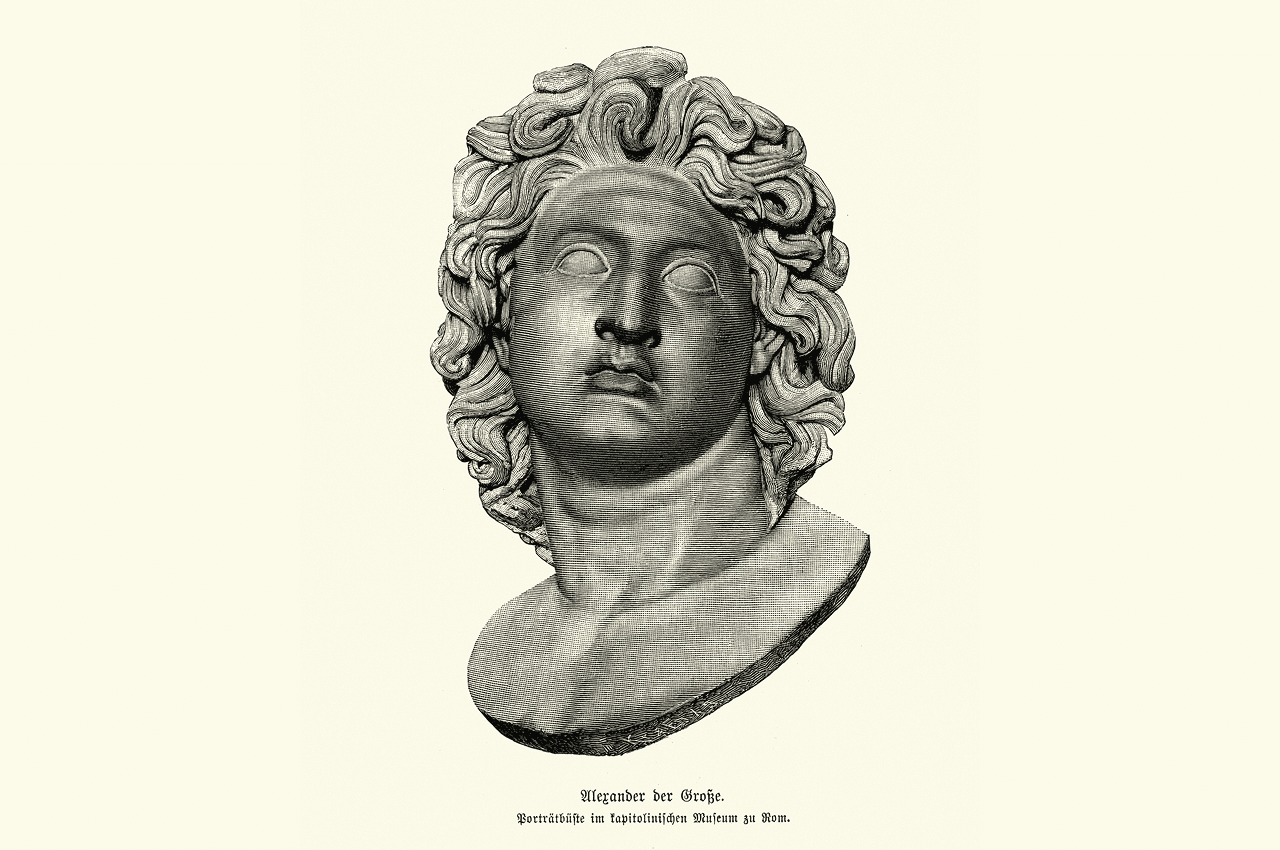
While Persia rested on laurels earned generations earlier, a small kingdom in Greece’s northern frontier was undergoing radical transformation. Philip II of Macedonia took a collection of semi-barbaric tribes and forged them into antiquity’s most fearsome military machine. His innovation wasn’t just tactical—it was cultural.
The Macedonian phalanx represented revolutionary thinking. Soldiers wielded sarissas—pikes extending up to eighteen feet—creating an impenetrable wall of bronze and iron. Unlike Persian forces that relied on individual warrior prowess, Macedonians fought as a single organism, each soldier’s survival dependent on maintaining formation discipline.
Philip unified the fractious Greek city-states under Macedonian hegemony through the League of Corinth, giving his son not just an army but a coalition. When he inherited the throne at twenty years old in 336 BC, he possessed advantages his Persian counterpart could only dream of: a unified command structure, battle-hardened veterans, and an ideological mission to avenge Persian invasions of Greece.
Darius III Inherits a Crumbling Foundation
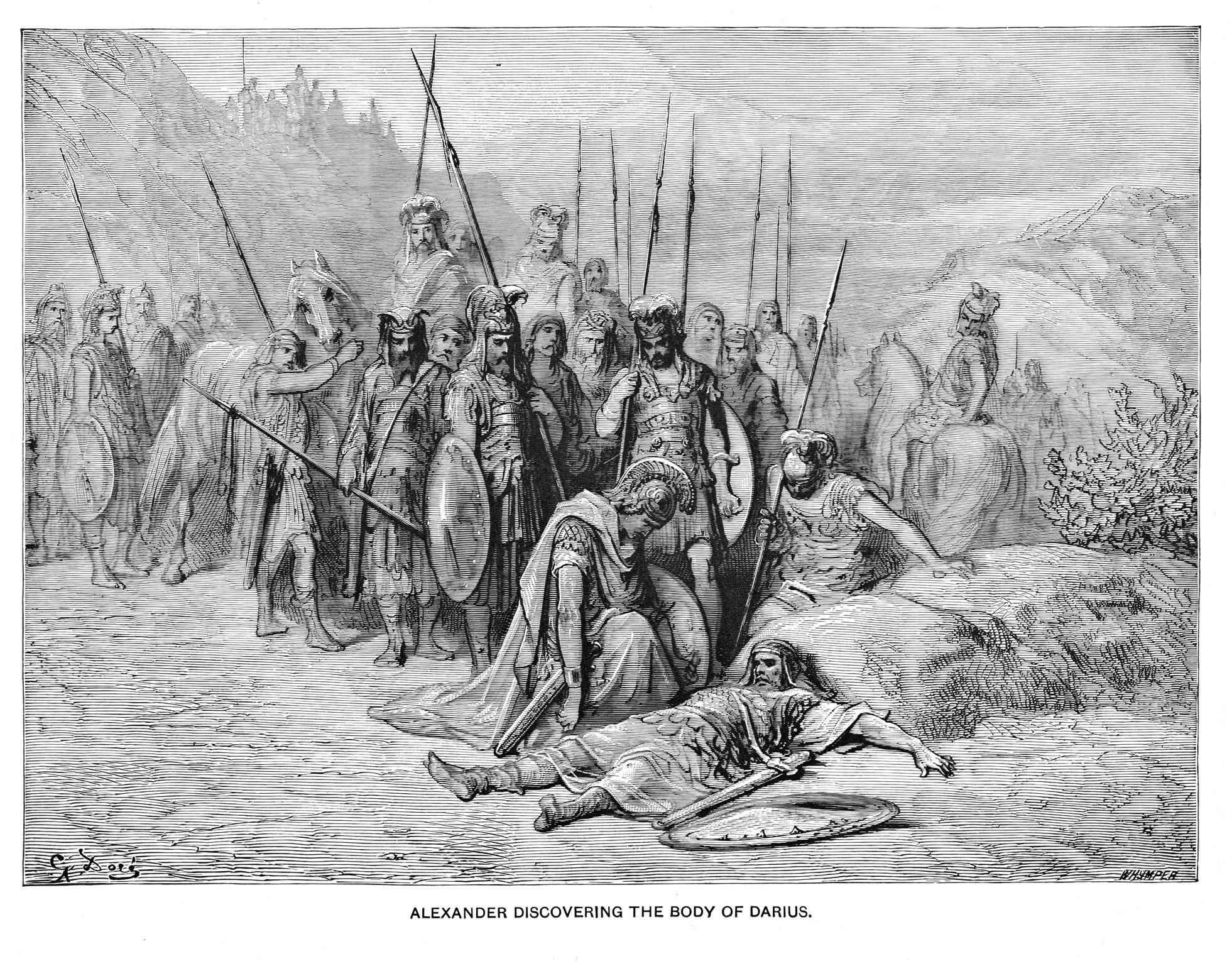
The same year Alexander became king, Darius III ascended the Persian throne under suspicious circumstances. He wasn’t the natural heir but a distant relative elevated during a succession crisis that saw multiple claimants assassinated. This shaky legitimacy would haunt him throughout his reign.
Darius inherited structural problems generations in the making. Satraps had grown increasingly independent, treating their provinces as personal kingdoms. The empire’s vast size, once its greatest strength, had become an administrative nightmare. Communication between the center and periphery took months, making responsive governance impossible.
Military decay had set in quietly. The famed Immortals—Persia’s elite ten-thousand-man guard—maintained their reputation but not their effectiveness. The empire increasingly relied on Greek mercenaries, creating the awkward situation where Greeks fought on both sides of every major battle. Persian military doctrine hadn’t evolved in decades, while Macedonia had revolutionized warfare.