Five Years of Pandemic Aftermath
A strange sickness showed up in Wuhan, China, near the end of 2019 – no one knew what it was at first. From there, things spiraled fast; a small local problem turned into something much bigger than anyone expected. More than seven million people officially died because of this new virus, though some think the number is higher. It wasn’t only about death; schools shut down, borders closed, and cities emptied overnight.
Life slowed in ways people had never seen before – silence where traffic once roared. Health systems cracked under pressure, even in wealthy nations caught off guard. Work moved online, homes became offices, and screens replaced handshakes and crowded meetings. Five years later, looking back feels different now – the shock has faded, but the changes remain. A single germ bent the whole world out of shape, bending routines, beliefs, rules. What seemed temporary stuck around, woven quietly into daily life ever after.
Wuhan to the world
December 2019: First Signs Appear
Back in December 2019, doctors in Wuhan – located in China’s Hubei region – began seeing patients with strange pneumonia symptoms. These individuals struggled to breathe, their conditions worsening despite standard care. Alarm grew fast within the local health community. A number ended up tied to one location: the Huanan Seafood Wholesale Market. That link sparked early guesses about animal-to-human spread.
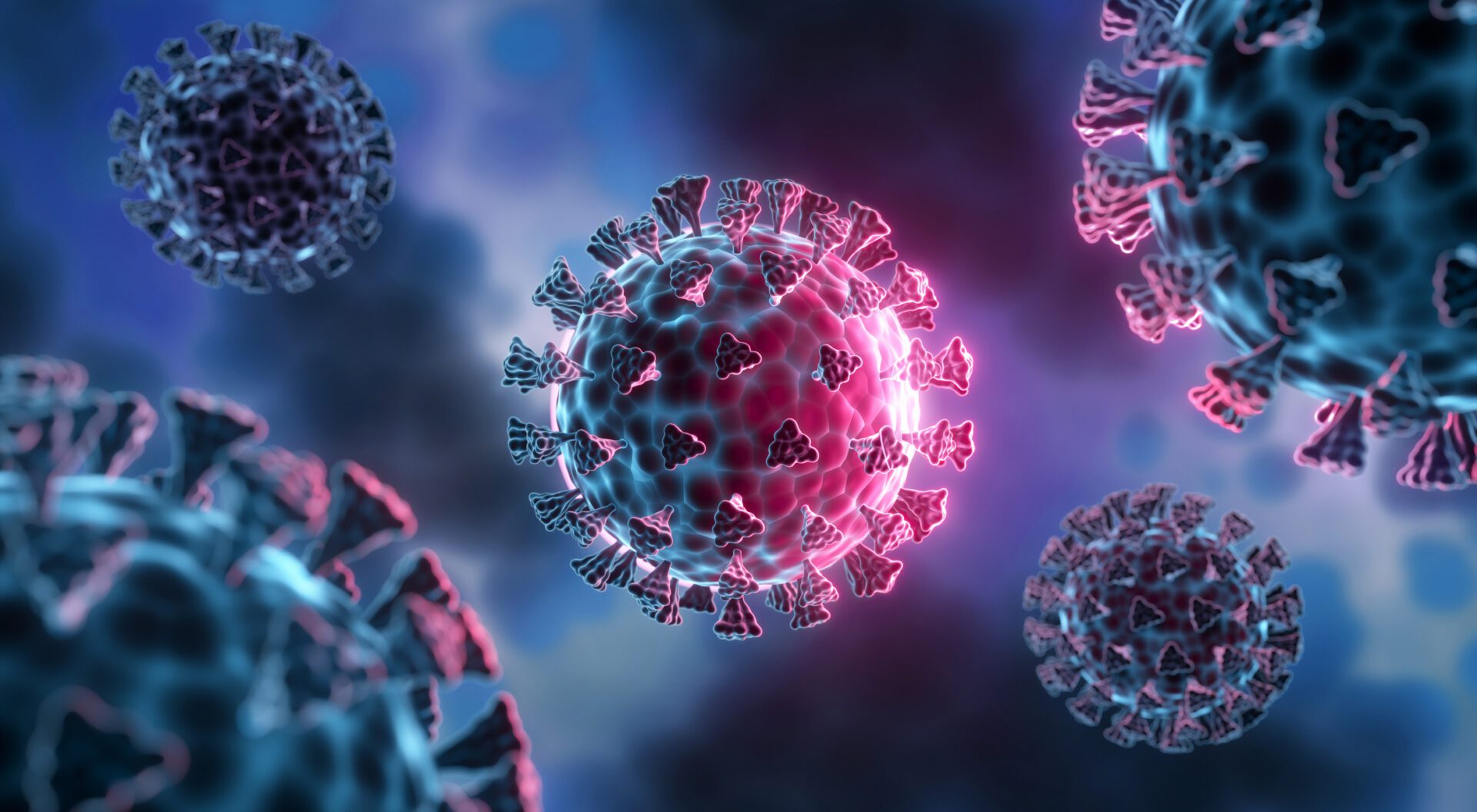
On December 31, 2019, Chinese health officials alerted the World Health Organization to unusual illness reports. Back then, many thought the situation might stay limited to one area. Researchers moved fast to track down what was making people sick, soon finding a previously unknown coronavirus – eventually named SARS-CoV-2—responsible for the condition called COVID-19. When they studied its genetic code, worrying echoes of the 2003 SARS virus emerged, hinting at serious dangers ahead.
January 2020 Global Warning Signs
Early that year, the situation shifted fast as the virus spread past local outbreaks into something wider. On January 9, Wuhan reported the first fatality linked to the illness, stirring deep alarm among health workers. By mid-month, people started showing symptoms elsewhere – Thailand and Japan both recorded their initial patients around the twentieth. Not long after, the infection reached American soil; someone arriving from Wuhan was diagnosed in Washington on the nineteenth.
Things moved fast as the weeks went by. Confirmation of person-to-person spread shut down early assumptions about animals being the sole source. What raised greater concern was that people without symptoms were passing it on, which made control nearly impossible. Medical staff started getting sick one after another, showing just how easily the virus traveled. On January 30, 2020, the World Health Organization sounded the alarm, calling it a global health emergency. Even though borders started closing, by then the virus was moving fast, jumping from one continent to another.
2020 When All Movement Ceased
March 2020 Pandemic Declared
That Tuesday in March two thousand twenty changed everything when the World Health Organization labeled COVID-19 a worldwide emergency. Spread was already happening across all populated continents by then. Stock markets plunged sharply, reacting like they hadn’t since the economic meltdown of two thousand eight, shaken by unknowns no one could predict.
Early on, Europe watched Italy struggle as hospitals filled beyond capacity. Trucks carrying coffins through quiet streets showed what was coming. Shock spread globally when those scenes aired nightly. By March 13, the U.S. responded with an official alert. Soon after, cities and towns began closing nearly everything.
Overnight, every government seemed to flip into crisis mode at once. Doors closed – classrooms fell silent, shops went dark, and parks emptied. Health experts kept repeating a new phrase: flatten the curve, saying it was key to keeping hospitals from drowning. Staying apart turned into law; standing too close broke rules now set in stone. Wearing something over your face, rare before here, suddenly wasn’t optional anymore – it just was.
The First Time Everything Stopped
Empty streets told a strange story during what should have been busy times. Places like New York, London, Paris, and Mumbai felt ghostlike without crowds. Weeks turned longer than anyone expected, trapping billions inside day after day. A single message echoed across borders: staying put meant protecting others. Rules came down hard, yet people followed, waiting it out.
Folks stocking shelves, driving deliveries, and hauling trash – they were seen differently now, standing tall when everything felt shaky. Doctors and nurses stared down fear itself, tending to endless rows of sick people without enough masks or shields. Tents turned into cold storage behind hospitals because so many had died. In care homes, older folks fell one after another, trapped in outbreaks that moved like wildfire.
Right away, the economy took a hit. Joblessness climbed higher than it had been since the 1930s. Across America, nearly 27 million sought unemployment aid in under two months – an abrupt crumbling of work opportunities. Family-run shops, some open for decades, shut their doors for good, starved of income during long shutdowns. Planes sat idle on runways by the thousands while travel faded into silence almost overnight.
Working from home shifted fast, turning into something everyone suddenly had to do. Overnight, tools such as Zoom saw massive spikes in use when offices, classrooms, and even family events switched to digital spaces. School lessons now happened on laptops, an abrupt change revealing wide gaps in access to technology. Adults balanced job tasks at kitchen tables while guiding kids through assignments, adding layers of pressure. Feelings of loneliness, worry about the future, financial strain – these quietly built up, affecting well-being more each day.
Racing for Solutions
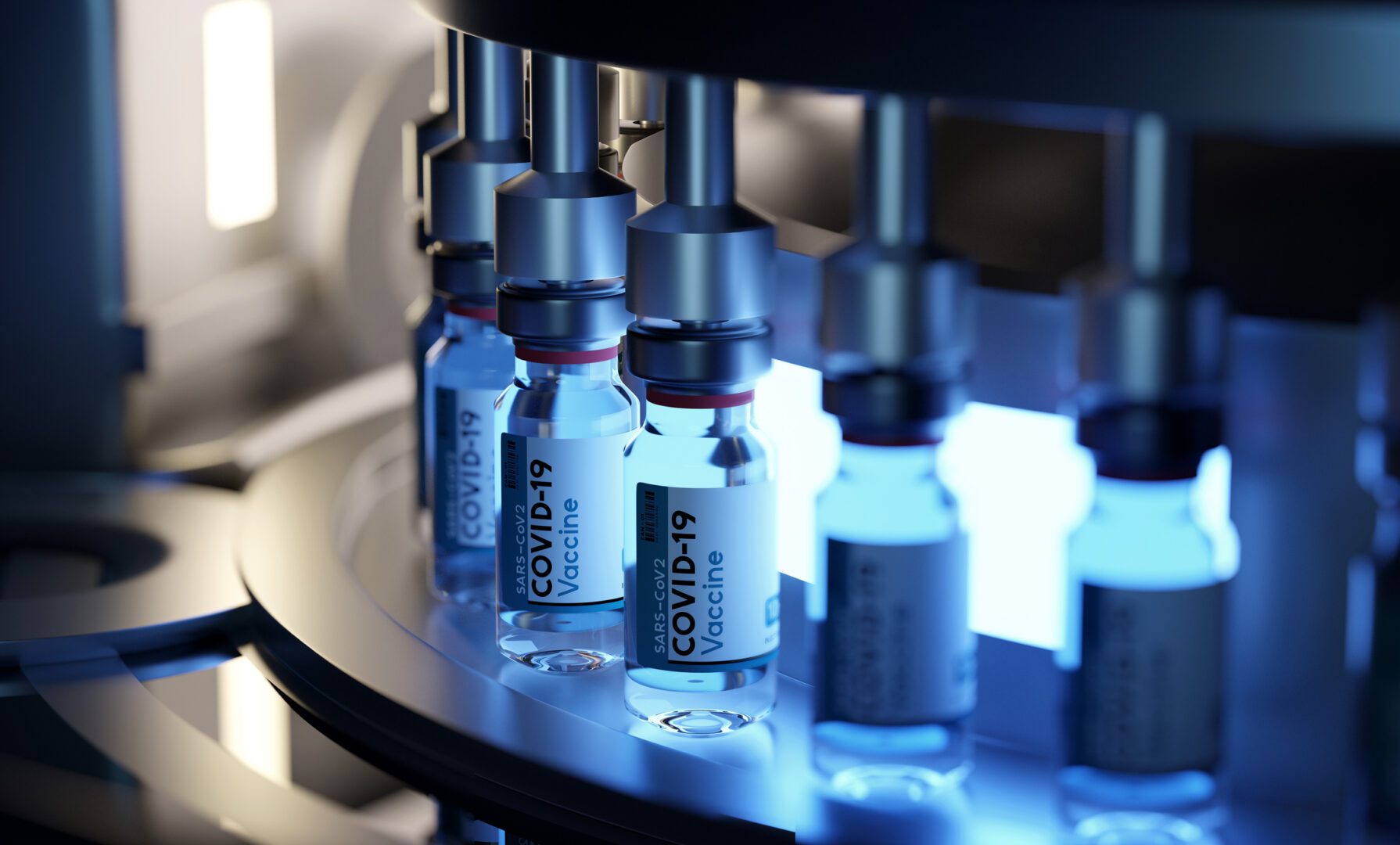
Faster than ever before, scientists around the world began working together closely. Backed by massive funding, a U.S.-led push called Operation Warp Speed kicked off in May 2020. This effort marked a historic leap in how quickly vaccines could be created. Nations everywhere channeled vast sums into studies, knowing immunization might restore everyday life.
Speedy testing didn’t skip safety checks. Firms such as Pfizer-BioNTech, Moderna, and AstraZeneca tried separate paths. What made the difference? Messenger RNA vaccines – studied long but never widely used until now. Past work on SARS and MERS viruses handed scientists a head start.
That spring, talk swirled around possible cures. Early that April, remdesivir seemed like a breakthrough against the virus. Despite thin data and loud political backing, hydroxychloroquine sparked fierce arguments – later studies found little benefit. While researchers pushed for solid proof, online platforms spread unverified claims just as fast as real findings. Truth got tangled in noise.
2021: A Year of Hope and Hard Times
Vaccine Rollout Changes How Battle is Fought
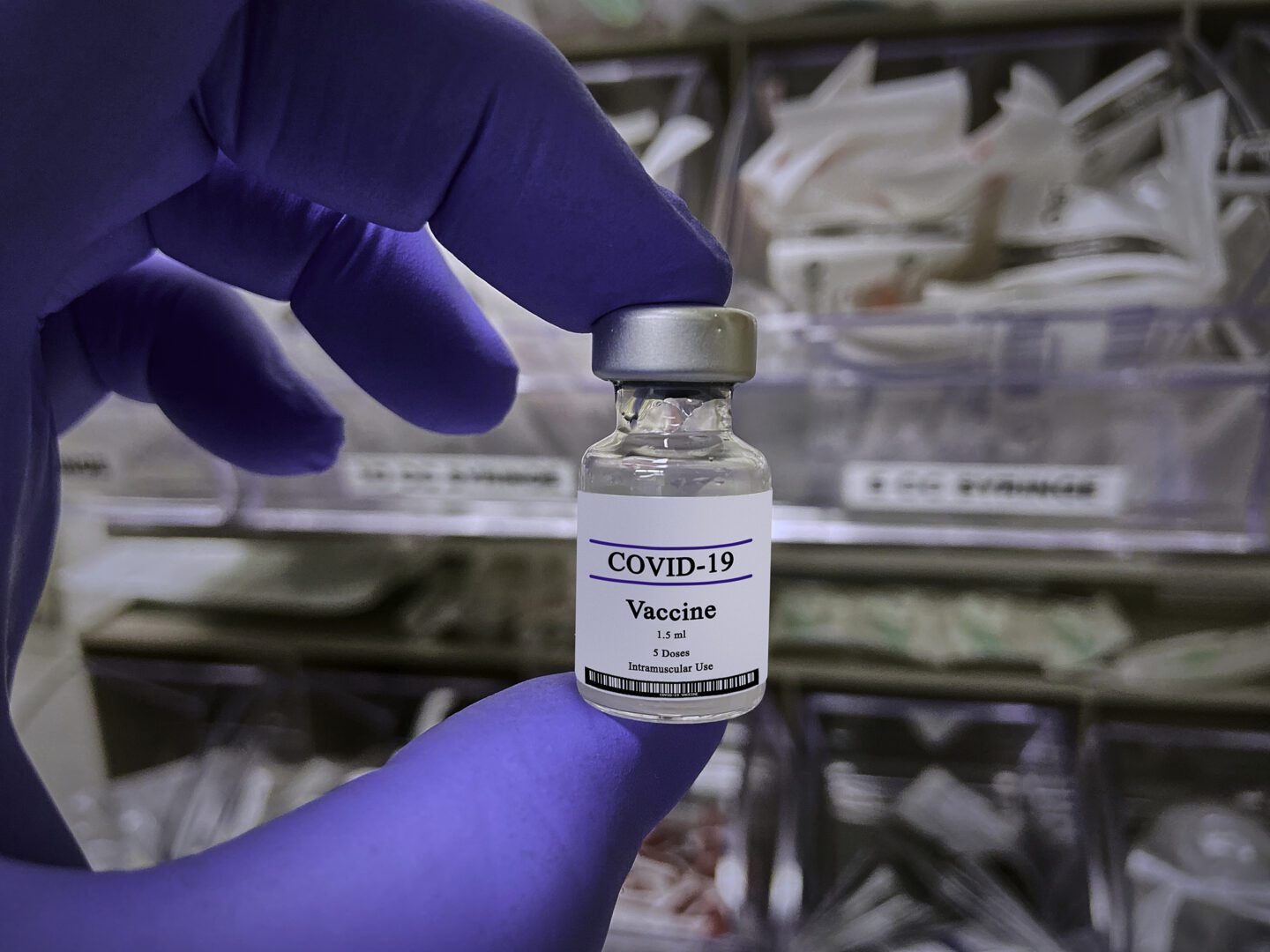
That winter, things shifted fast after U.S. regulators allowed the first coronavirus shots under emergency rules. Starting in early 2021, jabs rolled out widely, targeting doctors, nurses, then older adults at higher risk. Getting those hundreds of millions of doses where they needed to go? Not simple. Some formulas had to stay frozen far below zero, while hospitals and clinics struggled to sync efforts across regions.
Fear of vaccines blocked progress toward herd protection. Online networks carried misleading claims fast, feeding doubt during unsure times. Tales of secret plots involving drug makers and authorities gained traction among worried groups. Health messengers faced tough challenges correcting myths without losing credibility.
Come March 2021, more than a hundred million shots went into arms across just the U.S., while infections started dropping fast where most people got their vaccines. Places with high coverage stood out – outbreaks now mostly hit spots where few received jabs. Across nations, proof of vaccination opened doors: eateries, concerts, even flights abroad depended on it.
When rich countries bought up millions of vaccines, poor ones were left waiting. Though COVAX aimed to share shots fairly, it ran into roadblocks like hoarding and closed borders. Uneven access sparked tough debates on fairness in medicine. What happens in one part of the world always finds a way elsewhere.
Variants Appear and Change
Change is normal for viruses, yet SARS-CoV-2 showed it clearly. First seen in the UK near 2020’s end, Alpha moved faster between people than earlier forms. Even worse came Delta, rising in India before taking over worldwide by the middle of 2021. With sharper speed and tougher symptoms, this one outpaced what came before.
A fresh strain appearing always stirred unease over shot performance. Right away, researchers raced to see how changes affected defense. Luckily, jabs still held firm when it came to stopping serious harm or fatal outcomes. Still, cases where immunized people got infected started showing up more often. Because of that pattern, extra doses were soon suggested to keep shields strong.
That spring, India faced a brutal wave as the Delta variant tore through cities. Medical centers could not keep up. Oxygen supplies vanished. People lost their lives outside hospitals, still hoping for care. Cremation grounds never stopped burning. What unfolded shocked the world. Even with shots rolling out elsewhere, safety felt like a distant idea.
Life During and After the Pandemic Years
Omicron Changes Everything
Suddenly appearing in South Africa during late 2021, the Omicron variant shifted how the pandemic unfolded. Its ability to spread outpaced every earlier version by a wide margin. Around the world, infections climbed rapidly beyond prior peaks. Testing systems buckled under the pressure. Because of this, national approaches to managing COVID-19 had to adapt quickly.
Fewer folks got seriously sick from Omicron compared to Delta, especially if they had shots. Because of that change, leaders started thinking differently about control, moving away from strict zero-COVID plans. Rules on masks faded out in many places, shops threw open their doors again, and space between people in public mattered less. Testing at home spread fast, making it easier to check for infection without going to clinics.
A steady hum of cases kept the idea alive – COVID settling in like older, familiar bugs. Not gone, just part of the background now. Officials reminded people: predictable does not equal safe. Stability arrived without permission, replacing chaos with routine risk. Shields adjusted slowly; stopping every case mattered less than blocking severe harm. Shots became shields against collapse, not complete barriers. The rhythm changed, but the caution stayed.
Endemic Shifts and Post-COVID Health
Five months after spring began, world health leaders said the urgent danger of coronavirus was over. Not that the virus disappeared – just that the worst rush of chaos had slowed enough to step back. Each nation now handled infections using regular hospital routines instead of special wartime-like responses. Medical teams treated cases without needing emergency orders or sudden lockdowns. The rhythm of daily care returned, steady, without alarms.
Out of the pandemic came a lasting puzzle: long COVID. Official recognition arrived in 2021 when the WHO put a name to it – symptoms sticking around past three months post-infection. People across the globe began sharing stories of crushing tiredness, unclear thinking, trouble catching breath, and many other struggles. Lives changed, often sharply, under its weight. Scientists shifted attention toward how it works inside the body, searching for answers. By 2023, one country responded by launching a dedicated research office just for this condition.
Still up for discussion: Is COVID-19 now just a regular sickness we live with, or does it still count as a global outbreak? Not every expert agrees – some look at case numbers, others watch hospital trends. One thing most accept: the germ keeps moving around the world without stopping. Yearly vaccine tweaks help keep protection strong, much like what happens with winter flu jabs. Over time, deaths dropped sharply compared to when everything started. This one isn’t going away anytime soon.
The World After Covid
Economic Devastation and Recovery
When the virus spread worldwide, economies tumbled like dominoes. About 4.4 percent vanished from global output in 2020 because shutdowns froze factories, shops, and services. Workers lost livelihoods that simply did not come back once companies shut their doors for good. Firms with little cash on hand – especially small ones – struggled to stay afloat when income stopped flowing.
When flights nearly vanished, airlines plunged into crisis as travel demand collapsed by about 70%. Entire nations felt the hit – tourism income dried up fast, draining billions from economies that leaned on visitors. Forecasters saw no return to normal before mid-decade, possibly not until 2025. Factories stumbled when parts stopped arriving, exposing how fragile global supply chains had become. Ocean freight charges exploded more than fivefold, adding fuel to rising prices worldwide.
Facing a lack of computer chips, carmakers and gadget builders both slowed down, showing how one weak link can ripple through far-flung factories and freight lines. Because economies sputtered, central banks poured money into markets like never before, yet that flood began heating up prices by early 2021. As costs climbed faster than expected, lenders in power cranked up borrowing fees – trying to cool things off – only to stir fresh doubts about what comes next.
Home offices reshaped jobs forever. City buildings lost worth fast when businesses cut back on leased floors or split time between home and headquarters. Outside city limits, house prices jumped because people working remotely wanted larger homes without big-city costs. Buying things online grew at a speed that usually takes years, done now in just weeks, bringing in nearly four trillion dollars globally by 2020 through digital storefronts.
Social and Cultural Shifts
What started as a sudden shift now feels normal – working from home has become the daily rhythm for countless workers. Tiredness from back-to-back video calls made “Zoom fatigue” a phrase everyone recognizes. Without long trips to an office, time opened up, giving space for better routines outside work hours. Yet that same ease began erasing clear lines between job tasks and private moments. The separation once taken for granted slowly faded.
Feelings inside the mind shifted deeply and stayed that way. A WHO study found more worry and sadness rose by about one-quarter across nations when sickness spread. Girls and young adults carried heavier burdens than others. Being cut off from friends twisted how kids grew during key moments; school breaks threw learning into chaos for millions. Missing lessons struck poorer students the strongest, widening gaps already present in classrooms.
Faster than expected, telemedicine took off because it had to, yet it stuck around once both doctors and patients saw how well it worked for regular visits. Suddenly, tapping a phone to pay felt normal, while printed menus vanished in favor of scanning little square patterns on tabletops. Staying apart changed the way we connect – waving replaced shaking hands, and bumping elbows turned into a kind of nod between strangers.
Wearing a mask stirred sharp divides across nations, especially in the United States – suddenly, simple health steps felt like team uniforms. Institutions and scientists took heavy hits to their credibility when mixed messages, shifting rules, and political meddling muddied the waters. False claims spread fast once wild ideas found open ears, slipping into everyday talk and weakening how people responded to real risks.
Healthcare System Lessons
A wave of strain hit medical systems worldwide when the outbreak struck hard. Shortages in delivery networks meant clinics could barely get masks, breathing machines, or even gloves. People wearing scrubs pushed past their limits – long hours, deep grief, and little shielding took a heavy toll. Some walked away completely, stepping out of caregiving roles forever. Gaps in staffing still show up today, long after the peak passed.
Ahead of past efforts, vaccines came together faster than ever, showing old studies had been worth it. Thanks to mRNA, readiness for the next outbreak got a real boost – suddenly other diseases looked treatable too. When crisis hit, spending on prevention made complete sense; still, nobody knows if leaders will keep paying once danger fades.
When trouble hit, working together across borders mattered – but it did not happen enough. Some questioned whether the WHO could lead well, calling for changes in how it operates. Spotting new illnesses faster became a clear priority for governments. Instead of waiting, several started spending more on health systems and storing vital supplies; keeping that going depends on leaders staying committed.
Conclusion
Out of Wuhan it came, late in 2019, then raced across continents before most realized what was unfolding. Not long after, streets emptied as governments shut things down like never before. Official tallies show more than 7.1 million lost, yet hidden behind those figures may lie up to 36 million souls – counted only by measuring lives cut short without cause noted. Scientists moved fast, crafting vaccines at a pace once thought impossible. All the while, new versions of the virus kept appearing, shifting how people lived through each season from 2020 until 2023.
Now behind us, the WHO’s May 2023 announcement didn’t close the chapter – just shifted gears. We’re still moving through populations worldwide; the virus lingers while hospitals handle cases without emergency protocols. Many live with long-term effects, their daily lives disrupted by fatigue, brain fog, and breathlessness. This shadow of the pandemic drags on, demanding attention, study, and care well beyond headlines.
Folks still argue about if the pandemic is really over – some say it’s just part of daily life now, others insist it’s behind us. Money troubles hit hard back then, like something out of history books. Offices moved online, therapy got talked about more, and habits stuck. Hospitals patched things up here, only to fall apart there. One expert measures cases differently than another, so answers split.
One thing stands clear: the pandemic hammered home tough truths about readiness, how nations work together, sharing health info, and also how societies hold up under pressure. It’s still uncertain if people will actually use what they learned before the next crisis hits. A shift ran through everything – some things got better, yet stubborn problems linger, so staying alert plus adjusting keeps mattering when facing health risks across a linked planet.
For more blogs and other latest updates, please click here.