7 Shocking Facts About What Bomb Destroyed Hiroshima
One summer morning in 1945 changed everything. Just after eight fifteen, one explosion wiped out a city – gone in moments. That flash marked the start of something terrifyingly new. A hidden science mission turned into global shockwaves. Years before, quiet labs held plans no one imagined would explode so loudly. Since then, people still argue about those choices.
To grasp it fully means looking past the bomb alone. Instead, follow how events unfolded – one decision leading to another. Lives were shattered instantly. Repercussions kept growing long after. Eighty years on, the weight remains.
Atomic Bomb Dropped on Hiroshima?
The Simple Bomb That Altered War
From start to finish, the Hiroshima bomb worked differently than earlier weapons – its core used a gun-style split of atoms. Known officially as “Little Boy,” the device ran on uranium and flew into battle without prior trial runs. Inside it sat about 64 kilograms of processed uranium-235. Shaped like a long tube, the whole unit stretched nearly three meters, tipping scales at some 4,400 kilograms.
High above the city, about 600 meters up, the bomb blew apart – no ground hit needed. From that height, the force unfolded sideways fast, reaching deep into crowded zones below. Not a moment later, heat surged past millions of degrees right at the core. Energy poured out like 15 thousand tons of TNT, cracking open all at once.
The Blinding Flash Called Pika
A sudden brightness gave rise to a word – survivors called it pikadon. Light first: pika. Then came the deep crack of destruction: don. That glare left marks no one could erase, etching silhouettes into pavement and stone. Close to glass, some found fabric designs imprinted on flesh by heat alone.
Light raced ahead, delivering its sudden glare without delay. Seconds later, the shockwave followed close behind. People online have started calling it “Hiroshima Pikachu,” though it began as just a quick burst – then everything changed.
The Full Story From Start to End
Racing Against Nazi Germany 1942–1944
Midway through the war, a secret effort began on U.S. soil. Scientists from America teamed up with those who’d escaped Europe’s horrors, racing against time. They believed enemy labs might already be close to success. Work sites stretched nationwide – remote towns turned into hubs of intense activity. More than 130,000 individuals took part, yet nearly all remained unaware of what their labor truly produced.
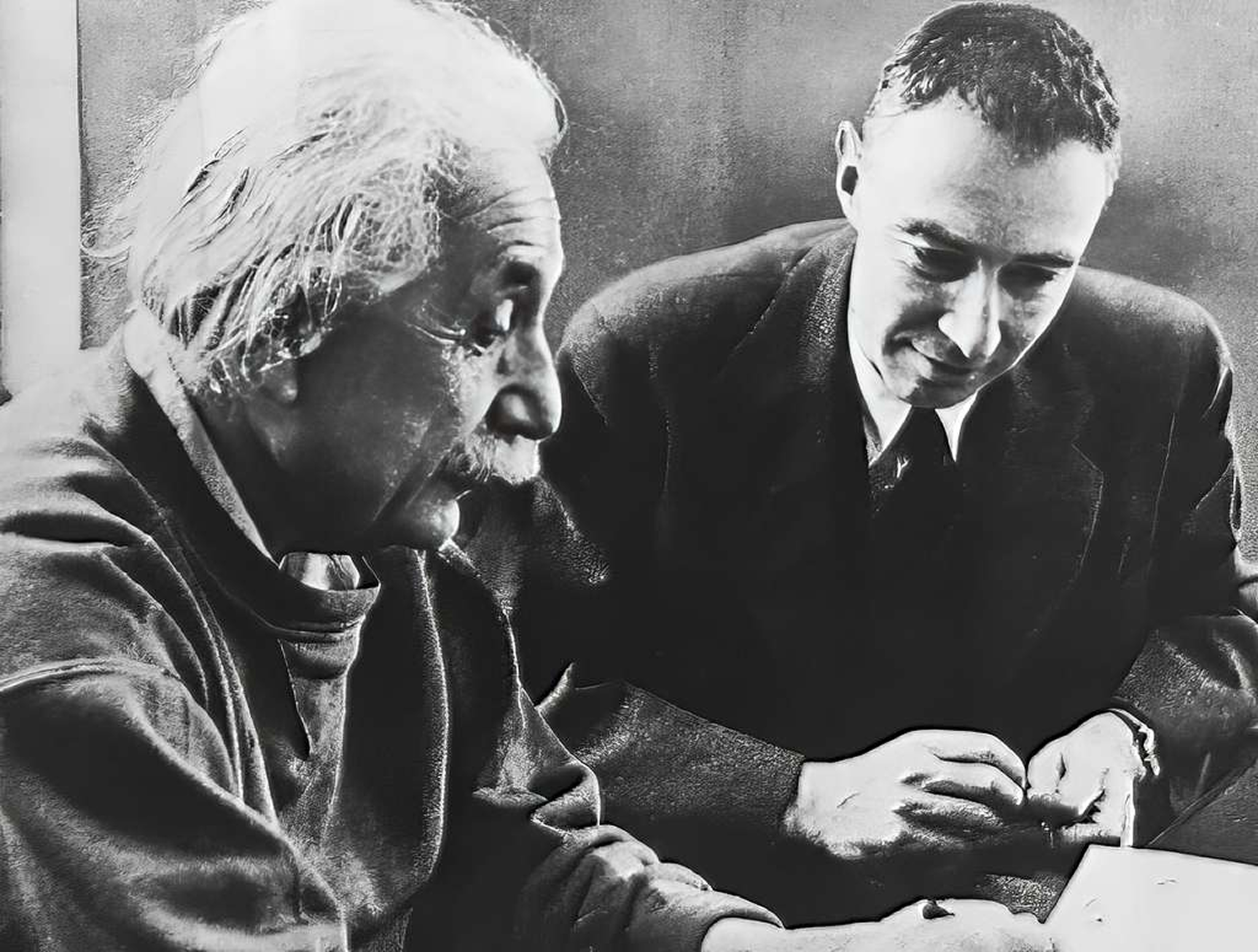
J. Robert Oppenheimer, a theoretical physicist, headed the science group at Los Alamos, bringing together thinkers such as Enrico Fermi, Niels Bohr, and Richard Feynman. One design used uranium in a gun-style setup; another, trickier version relied on plutonium compressed by implosion. Costing about 2 billion dollars in 1945 money, it became among the biggest scientific efforts ever seen. Though hidden from public view, its scale quietly reshaped how research could be organized across nations.
Germany Surrenders Spring 1945 While Japan Continues Fighting
On May eighth, nineteen forty five, Nazi Germany gave up without conditions, bringing World War Two in Europe to a close. Still, combat raged on across the Pacific while Allied troops moved nearer to Japan’s main islands. Fought between April and June, the clash over Okinawa revealed just how terrible an assault on the homeland might become.
More than a hundred thousand Japanese soldiers died in Okinawa, yet over 150,000 civilians lost their lives too. Faced with fear-filled stories about U.S. troops, some people took their own lives rather than face capture. Instead of retreating, pilots flew more kamikaze missions into Allied ships as hope faded. Such fierce resistance made U.S. commanders realize an invasion of mainland Japan could bring unimaginable loss across everyone involved.
July 1945 Tests Succeed Final Warnings Issued
A flash tore through the early morning of July 16, lighting up the barren stretches of New Mexico. That instant marked the first working explosion of an atomic device – code-named Trinity. Instead of a slow burn, it erupted with force driven by compressed plutonium. Its fireball stretched beyond one hundred miles, seen by eyes far across open land. The sheer power left witnesses silent, aware something irreversible had begun. Later, Oppenheimer reached for ancient words to describe what he felt.
From a Hindu text, one phrase surfaced: “Now I am become Death, the destroyer of worlds.”
A week and three days after that, heads of the Allied nations gathered in Potsdam put out a statement calling for Japan to give up without delay or conditions. Though it spoke of fast and total ruin, the paper didn’t name the atomic weapon on purpose. Back in Tokyo, top army figures – Anami Korechika especially – shot down the demand immediately, sticking instead to battle.
August 6–15 The Nine Days That Ended the War
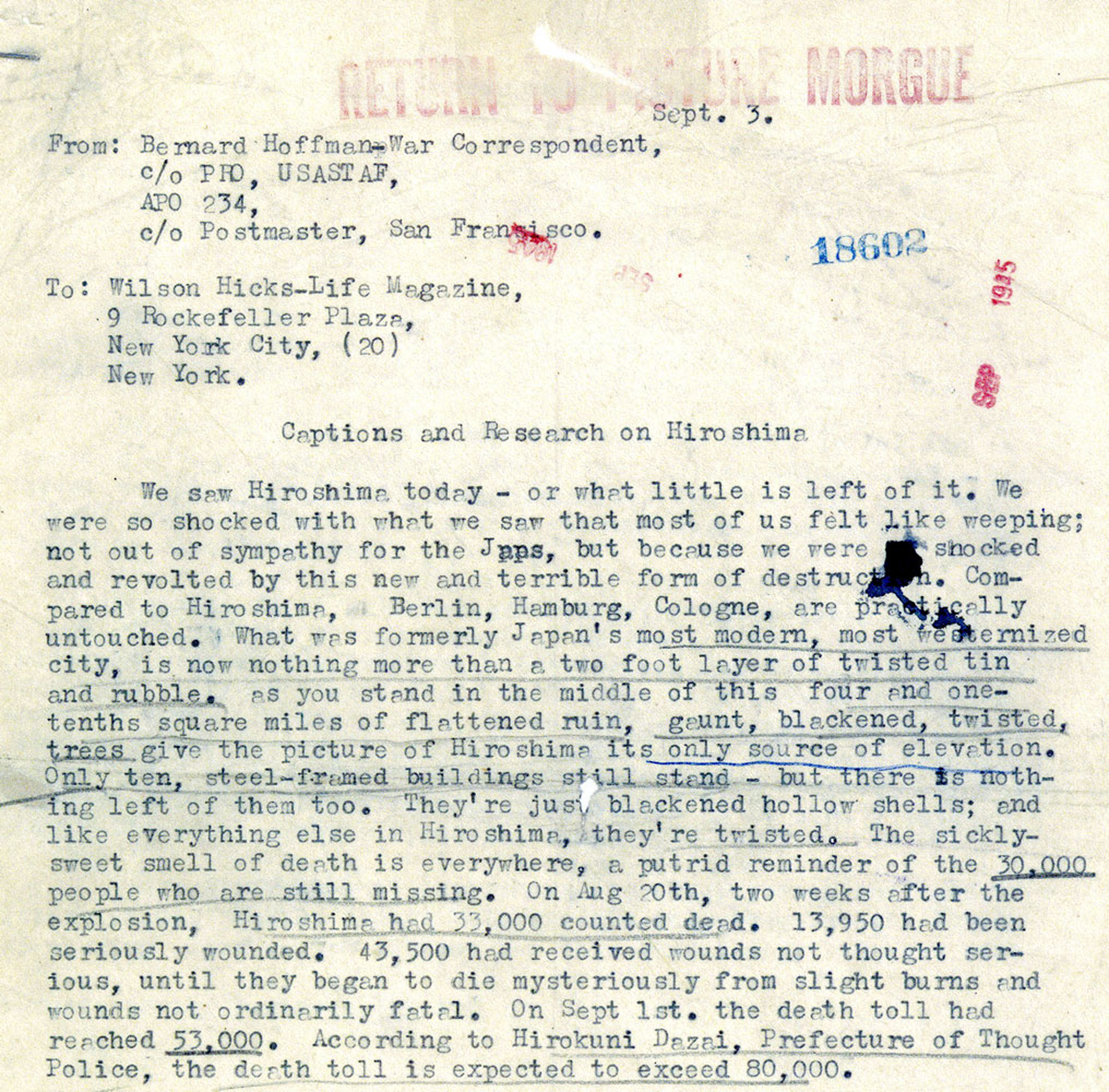
Before sunrise on August 6, the Enola Gay lifted off from Tinian Island, flown by Colonel Paul Tibbets. Above Hiroshima’s heart, right over the Aioi Bridge, the sky split open at 8:15 in the morning. A blast wiped out some 70,000 to 80,000 lives in a flash – then flames spread, pulling others under in waves of smoke and wounds.
A blast tore through Nagasaki three days after the first, on August 9. Detonated high above the city, the plutonium device known as “Fat Man” ended around 40,000 lives in moments. Without delay, the Soviet Union opened hostilities against Japan that very morning. Sweeping into occupied Manchuria, their forces overwhelmed the Kwantung Army fast.
That Tuesday, Emperor Hirohito stepped in when leaders could not agree. His words reached every home that August morning, carried by radio waves like never before. Aboard the battleship docked far out, pens touched paper under metal skies. Silence followed where explosions once ruled.
The Immediate Aftermath Seen in Rare Photos
The Only Photographer at Ground Zero
A few streets away from ground zero, Yoshito Matsushise stood when the bomb went off. Though his camera worked – only one of two still running – the shock froze him at first. What he saw was too much, too raw, to record right away. Slowly, he raised the lens, took five shots. Those frames now speak louder than words ever could.
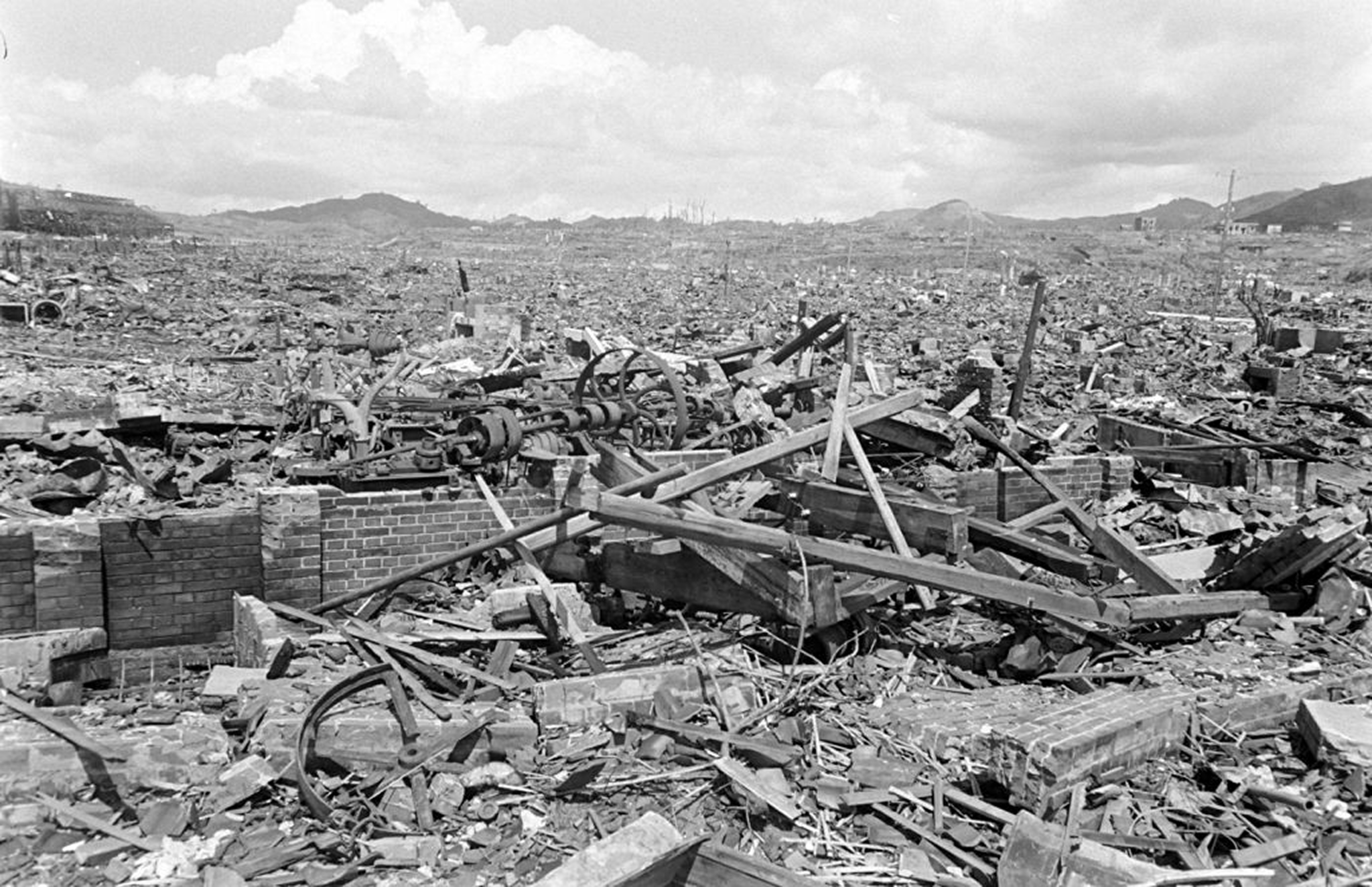
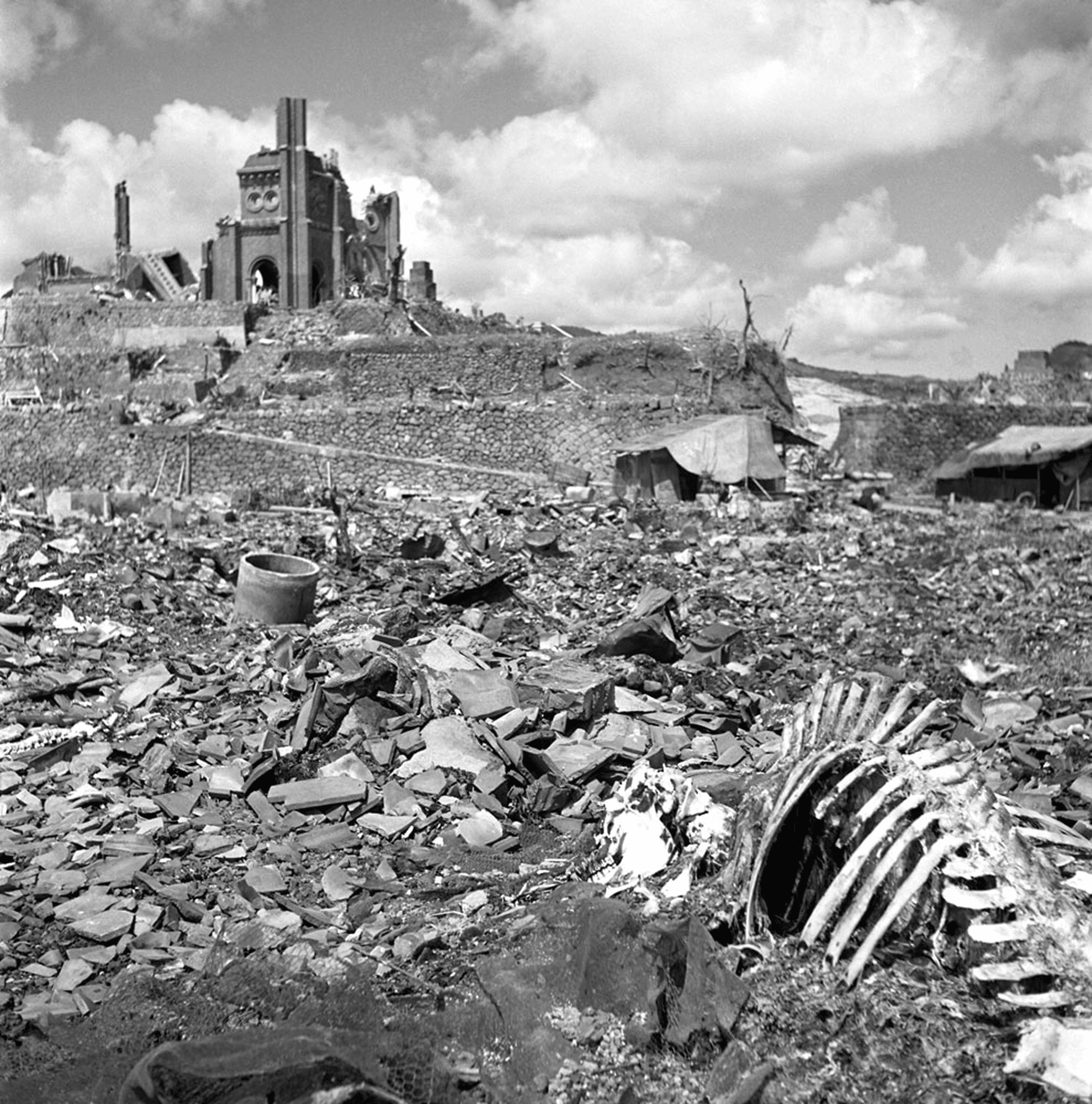
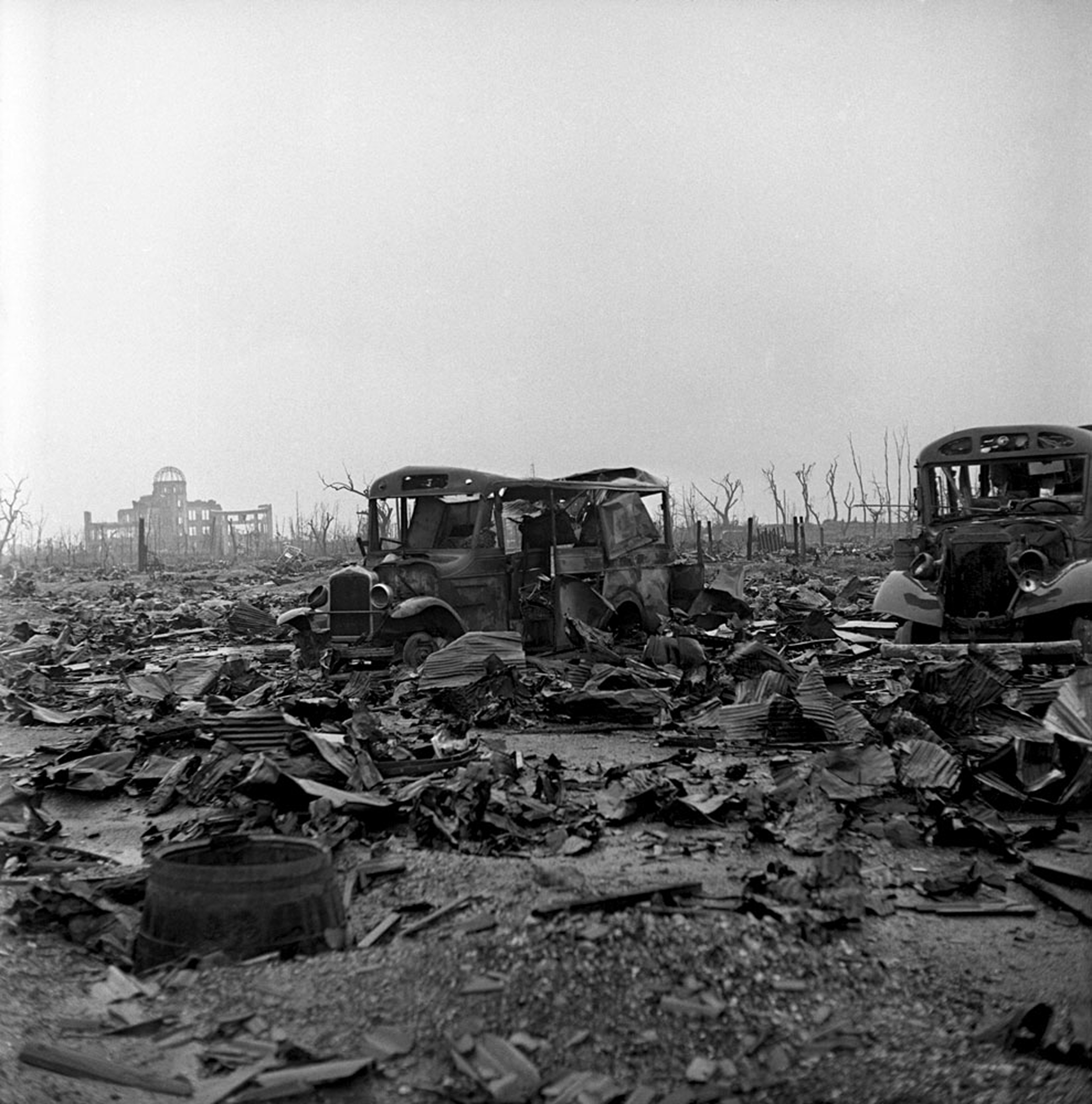
From ash-covered streets, his photos capture people injured by burns making their way toward officers for aid. Walking dazed among wreckage defines some moments caught on film. Fire spreading fast appears in shots taken just after everything changed across town. Years pass. Other records begin showing thickened skin patterns etched onto those who lived through it. Glass once inside bottles now stuck to twisted steel turns up in later frames. Time frozen shows itself clearly – clock hands fixed without moving since the morning hit 8:15.
A single shadow stretches across stone steps, frozen since that morning. Inside the museum, garments hang quietly, their threads laced with invisible traces. Pictures drawn by those who lived through it show what lenses could not hold. Photographs stand beside them, silent witnesses among many objects kept safe here.
Black Rain and Radiation Sickness
Out of nowhere, black rain began falling over the west side after the explosion. Carried by wind, it dumped radioactive soot and ash well past where the bomb hit. Those soaked by the downpour or who swallowed the liquid faced severe radiation sickness soon after.
Few days passed before strange signs showed up in people still alive – those known as hibakusha. Clumps of hair dropped out without warning. Bleeding gums refused to stop. Under the skin, purple marks surfaced, a sign blood was escaping inside the body. Though some looked safe after the explosion, weeks later they collapsed; their organs failed due to unseen damage from radiation, something doctors then barely grasped.
Long Term Health Effects Continue Being Researched
Immediate Radiation Syndrome
Hours after the blast, those close to ground zero began feeling sick – some threw up right away. Nausea came first, then their hair started falling out in clumps. Bleeding under the skin appeared next, followed by bodies failing to fight even small infections. Most doctors nearby were either dead or hurt, unable to help much. They did not know what was happening, let alone how to fix it.
Three to six weeks after the bombing, most people died due to radiation – bone marrow stopped making blood cells. Without warning, relatives who looked fine began collapsing and passed away from unknown reasons, witnesses said. Seeing close ones fade away brought deep emotional pain on top of bodily harm. Moments once normal turned into silent horrors.
Cancer and Genetics Passed Through Families
Years after radiation, leukemia cases climbed highest – especially in kids exposed very young. About a decade later, tumors like thyroid, breast, lung, or stomach started appearing more often than usual. These risks did not fade; they lasted a lifetime once they began rising.
Children of atomic bomb survivors showed few inherited issues at first glance – yet scientists still probe quieter changes through time. Running since nineteen seventy five, a dedicated team tracks those exposed, uncovering how radiation shapes health far into the future.
Social Discrimination Against Survivors
Not just their bodies carried scars – people looked away in discomfort. Marriages rarely happened when names came up, whispered concerns circling bloodlines and unseen risks. Jobs slipped through fingers; employers hesitated, counting doctor visits before hiring. Illness became a rumor that followed them everywhere.
Hidden scars often stayed buried, as those marked by the blast chose isolation over judgment. Silence became a shield, even when help was available through clinics or officials. Pain layered upon pain – not just from burns or sickness, but from being cast aside. The weight of stigma pressed harder because few understood what came after the explosion ended.